A Simple Guide to Kief
Kief is a potent concentrate that cannabis enthusiasts swear by. It’s packed with cannabinoids derived from the resinous trichomes of the plant. Often found as a powder at the bottom of your grinder, it has seen its reputation skyrocket as users seek more intense, elevated experiences. In this article, we’ll uncover what kief is, how it’s made, share exciting ways to enjoy it, and the remarkable benefits it offers for those looking to elevate their sessions.
What is Kief in Cannabis?
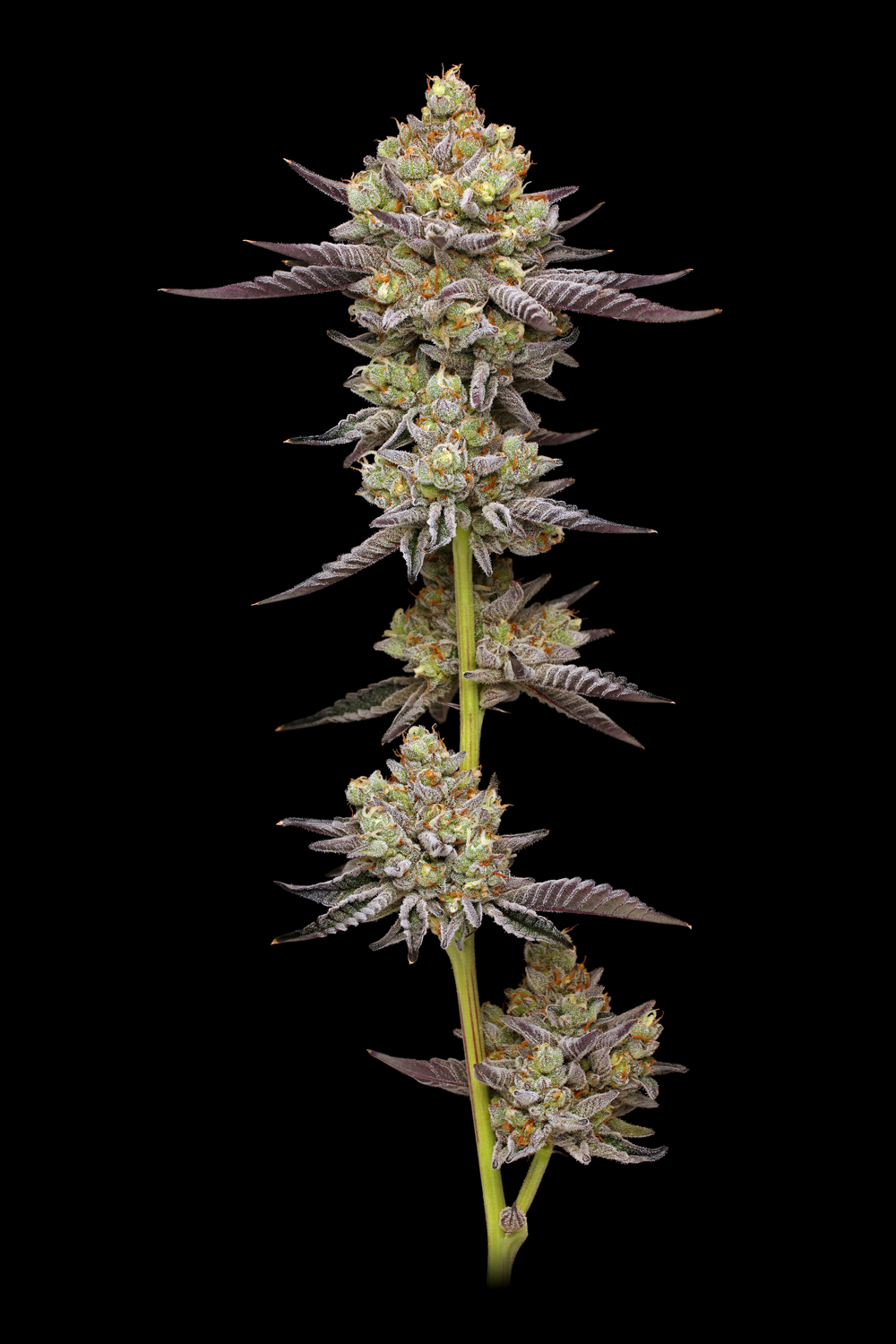
Kief is a fine, powdery substance composed of the resinous glandular trichomes or resin glands. It’s naturally found on the surface of the cannabis plant. These tiny, crystalline structures are rich in cannabinoids such as THC and CBD, as well as aromatic compounds called terpenes that contribute to the plant’s distinctive effects and flavors.
Kief is typically collected by sifting or screens that separate these trichomes from the dried plant material. While it may be considered a highly concentrated form of cannabis, pure potent kief is actually only one part of the plant.

Its appearance is usually a greenish or yellowish powder, indicating high potency and a significant concentration of active compounds. Kief is highly prized among cannabis enthusiasts for its ability to enhance the effects when sprinkled onto bowls, packed into joints, or infused into other cannabis products. Its purity and strength make it a valuable component for both recreational and medicinal users seeking a more potent experience.
How to Collect Kief: Your Grinder’s Best-Kept Secret
The most common collection tool is the kief-catcher in your grinder. After you grind your cannabis buds, the fine, powdery residue that collects beneath the sifting screen or nestled between the teeth of the grinder is known as kief. These tiny, crystal-like structures naturally detach from the plant’s surface during the grinding process. Over time, this accumulated goodness tends to collect in hard-to-reach corners and crevices of your grinder, making it almost impossible to extract.

If you don’t have a grinder with a catcher or screen, it’s recommended to put your grinder in the freezer for about ten minutes before use, which can trigger a process called cryogenic hardening. The cold-induced contraction makes the volatile trichomes more brittle. The increased fragility facilitates their detachment during grinding, as the brittle trichomes are more likely to dislodge, making the THC-rich powdery substance more accessible and easier to collect.
How to Consume Kief
Kief is known for its enhanced potency compared to regular cannabis flower. This allows users to achieve stronger effects with smaller quantities. When rolling a joint, you can add kief between the ground cannabis for a highly potent cannabis experience.
Alternatively, pack a bowl of cannabis and sprinkle kief on top to create a “party bowl” or “kief crown.” This method not only amplifies potency but also enriches flavor, providing a deeper, more complex smoking experience.

Vaporizing kief is also a highly effective technique for those users seeking a smoother and less harsh experience, offering a full-spectrum profile of terpenes compared to smoking. The optimal vaporization temperature range is 320°F to 400°F (160°C to 200°C). This range ensures the efficient vaporization of cannabinoids and terpenes without combustion, delivering a flavorful hit while preserving the integrity of the cannabinoids found in the plant matter.
Infusing kief into cooking oils or butter unlocks many creative possibilities for homemade edibles. When gently heated, the cannabinoids in kief bond with fat, forming a potent base ideal for baking brownies and cookies, or for preparing savory dishes like pasta sauces. Incorporating kief into your recipes not only adds a distinctive flavor but also enhances the potency, allowing you to elevate your culinary creations with a personal, homemade touch.
Making Your Own Hash
Once sufficient kief has been collected, the next step is rosin pressing under controlled heat and pressure. Traditional methods often involve placing the kief between sheets of parchment paper. The kief is then pressed using a flat, heat-conductive surface, such as a heated iron or a specialized press. Another common technique uses a hair straightener set to a specific temperature to melt and bond the trichomes.

Golden amber rosin dripping from a rosin press.
The key to successful solventless hash-making lies in maintaining a consistent temperature throughout the process, typically between 250°F and 300°F. Applying steady, even pressure for several seconds up to a few minutes helps to maximize the extract’s potency and create a cohesive, moldable hash brick or slab. Once pressed, the final product can be further refined, broken into smaller pieces for easier handling, or stored properly for future use.
Storage and Preservation
To preserve the potency and freshness of kief, proper storage is essential. Use airtight glass or food-grade plastic containers to limit air exposure, and store them in a cool, dark place, such as a refrigerator or cupboard, to ensure optimal preservation. Protect your kief from light, heat, and humidity to prevent chemical degradation of cannabinoids and terpenes, preserving its aromatic profile and potency over extended storage.
The recommended shelf life for stored kief is around six months to one year. Indicators of degradation include noticeable color changes, such as darkening or discoloration, which may suggest oxidation or deterioration. A diminished or altered aroma can also signal a decline in potency as the terpenes degrade over time. Additionally, the texture may become dusty, crumbly, or lose its stickiness, all signs that it has lost its freshness and potency.
Embracing the Versatility of Kief
Kief can significantly elevate your experience. You can enjoy it by vaporizing, sprinkling it on your joint or bowl, using it in edibles, or pressing it into hash. Its high THC content delivers a more potent effect than traditional cannabis, making it better suited for more experienced users. Incorporating a pinch of kief into your smoking regimen can deepen your appreciation for cannabis, allowing you to explore different methods of consumption and enjoy a more potent, versatile experience.
Share your own experiences with kief on our Instagram or head over to the Humboldt Seed Company blog for more expert grow tips, and join the conversation!
Humboldt’s Best Strains for Kief
Cannabis breeders develop strains for full-spectrum concentrates by selecting plants with heavy trichome coverage. They focus on resin density, strong gland heads, and consistent maturation to increase kief yield and protect terpene quality during mechanical separation.
Genetics and trichome structure largely determine concentrate returns. Certain cultivars like Garlic Budder and Candy Hustle act as efficient “washers,” producing resin glands that release cleanly during extraction. Plants that develop large, oil-rich trichome heads tend to deliver stronger yields than varieties dominated by smaller, stalk-heavy glands.
Get the Best Tips & Tricks


About the Author: Mark Smith