
Caribbean Landrace Preservation
Caribbean landrace cannabis varieties have been shaped by equatorial light cycles, tropical humidity, and generations of traditional cultivation. Humboldt Seed Company’s work in the region is focused on preserving these original genetic expressions through careful observation, collaboration with local researchers and growers, and responsible breeding practices that prioritize integrity over modernization.
Caribbean Landrace Preservation
Caribbean landrace cannabis varieties have been shaped by equatorial light cycles, tropical humidity, and generations of traditional cultivation. Humboldt Seed Company’s work in the region is focused on preserving these original genetic expressions through careful observation, collaboration with local researchers and growers, and responsible breeding practices that prioritize integrity over modernization.
1,000+
Plants Evaluated
5+
Years in the Region
Landrace
Preservation
Focused on maintaining original Caribbean genetic expressions shaped by equatorial light cycles, climate, and generations of traditional cultivation.
Field
Evaluation
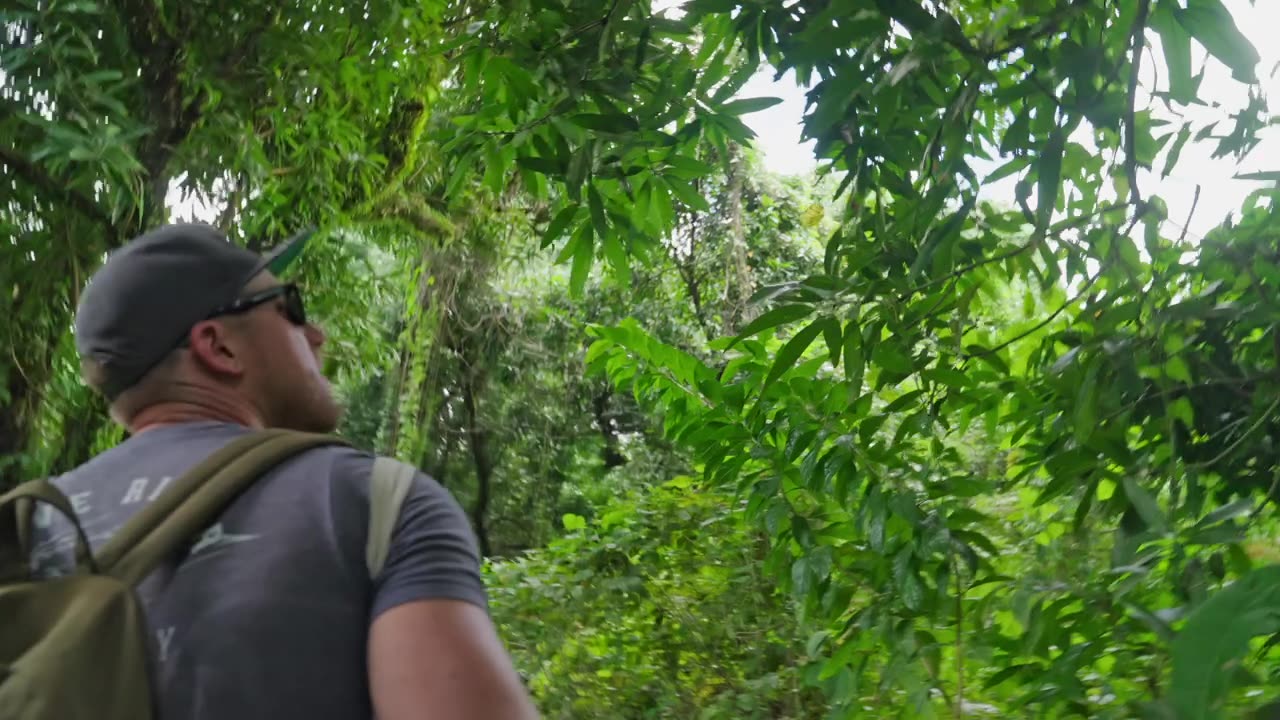
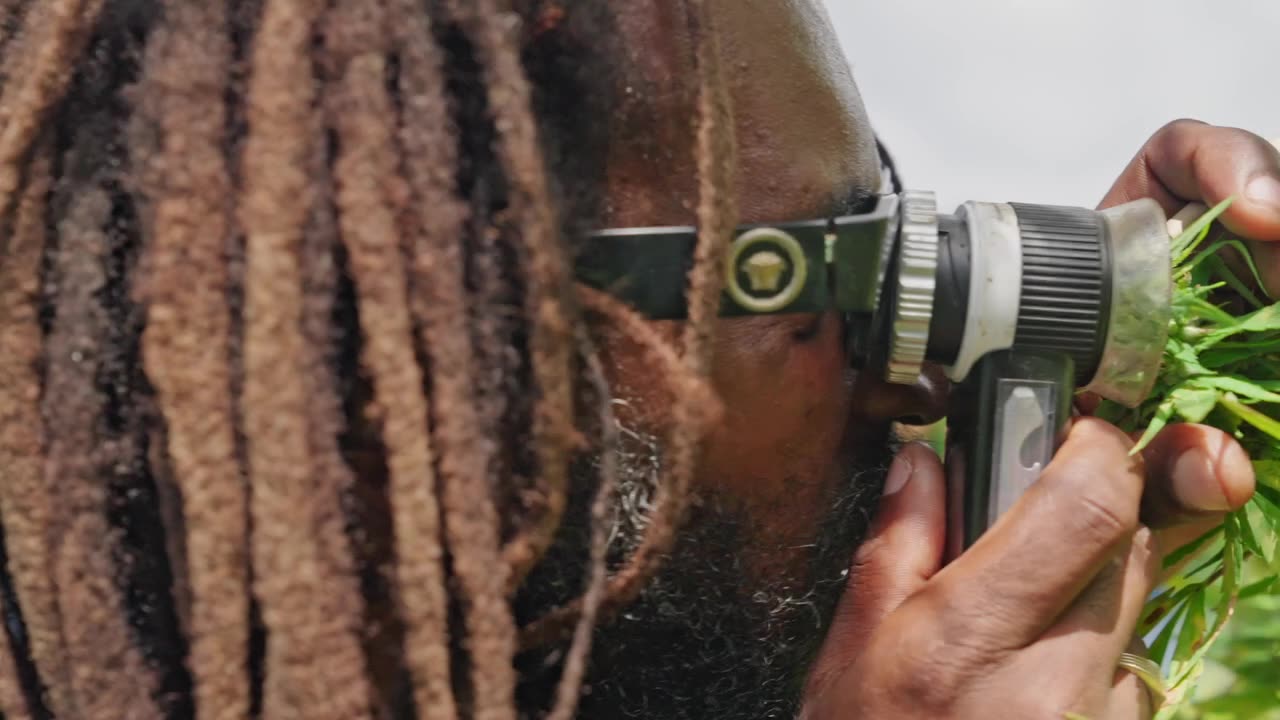
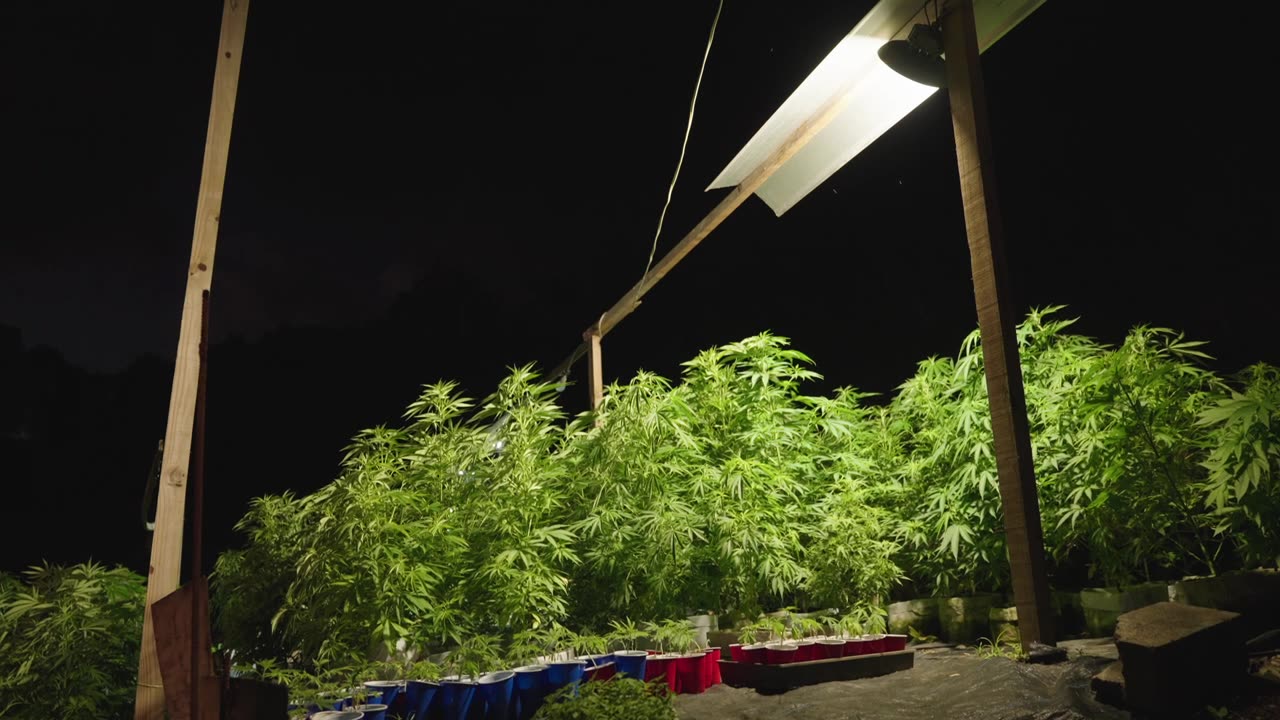
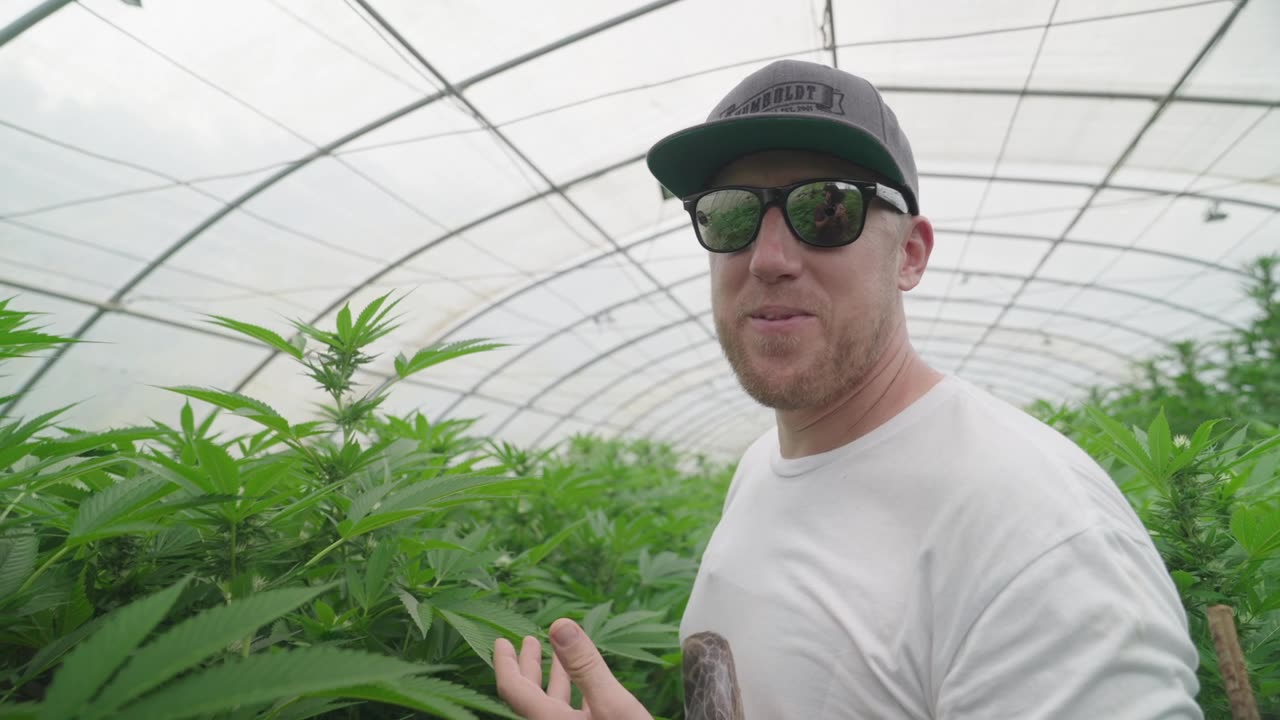
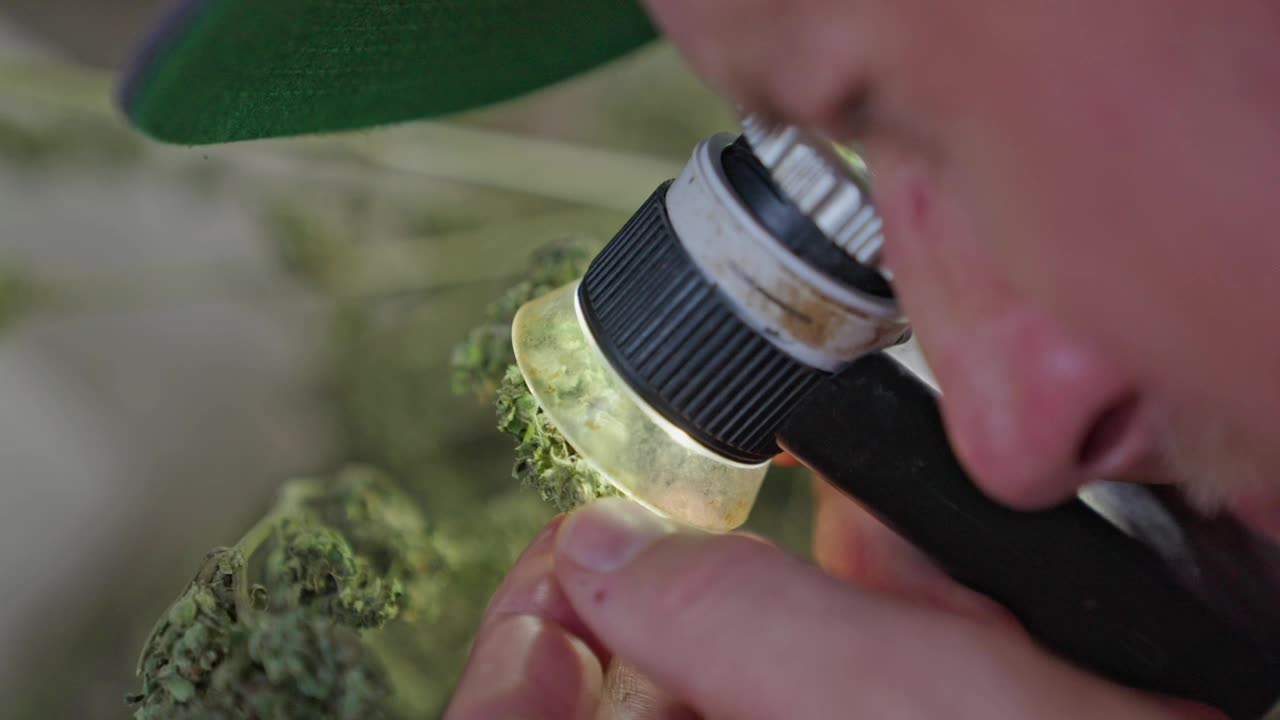
Over 1,000 plants were observed and evaluated in regional field conditions to document structure, resilience, and expression before any breeding decisions were made.
Local
Collaboration
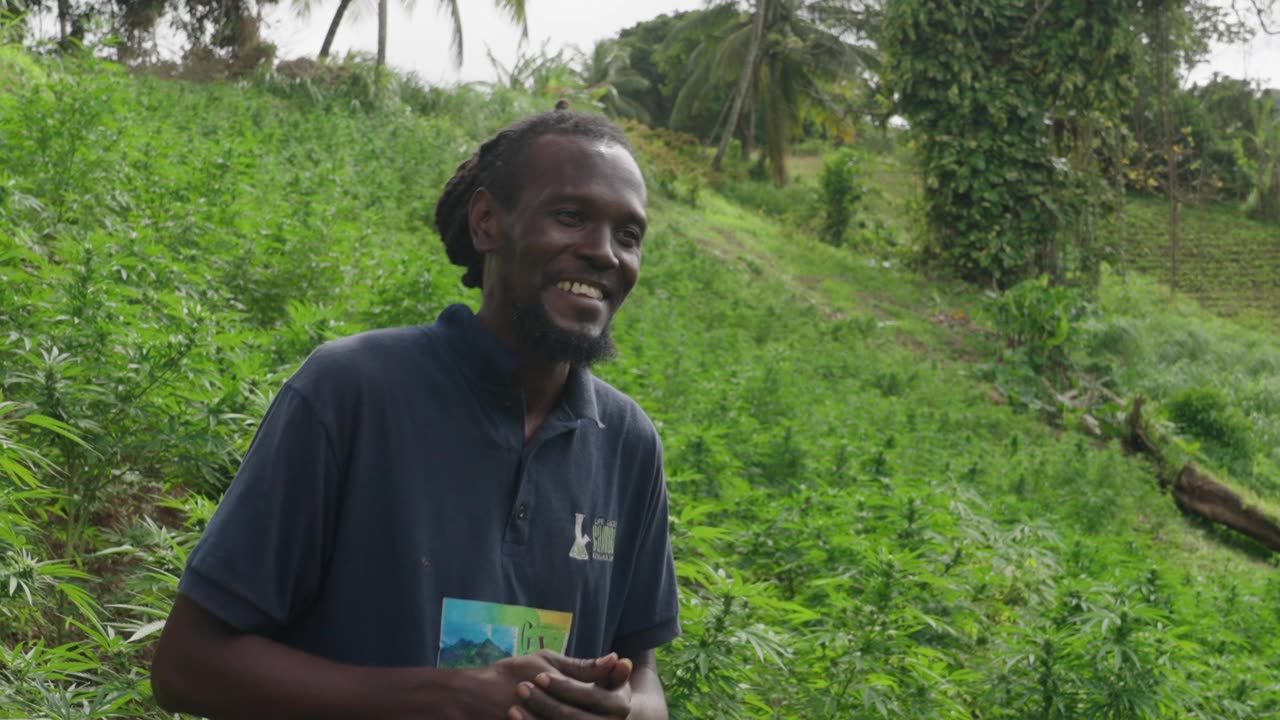
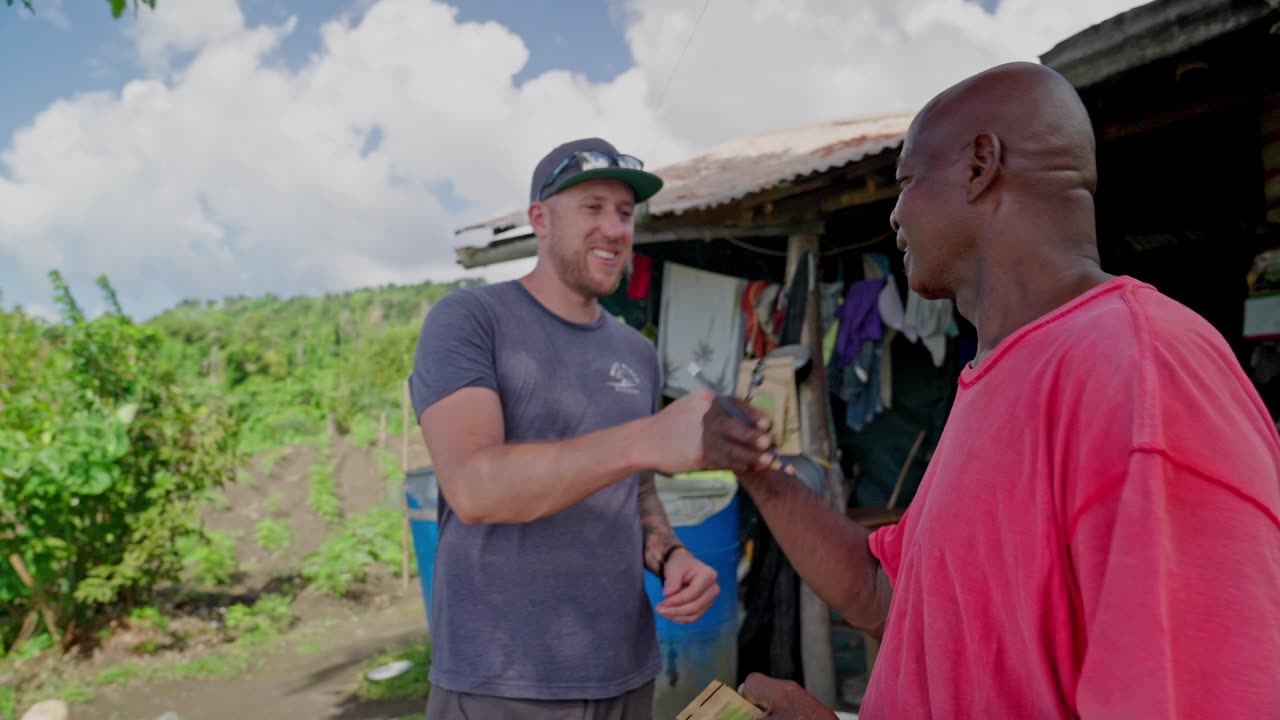
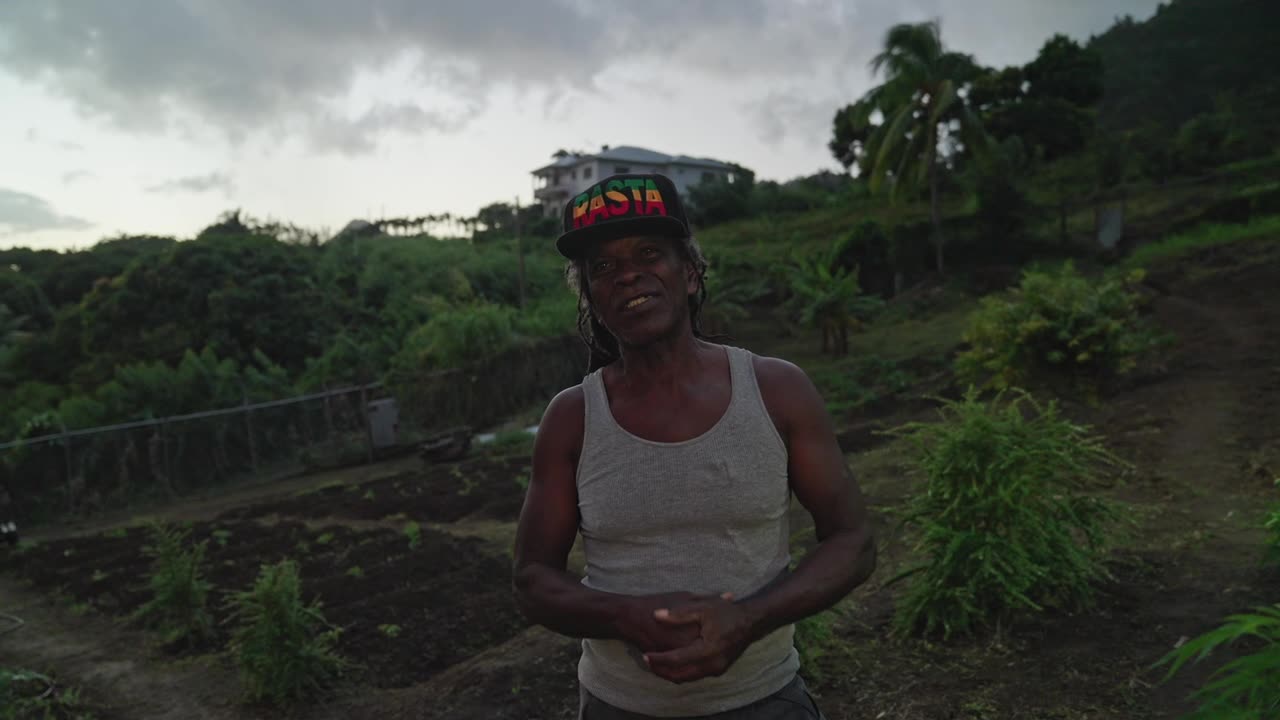
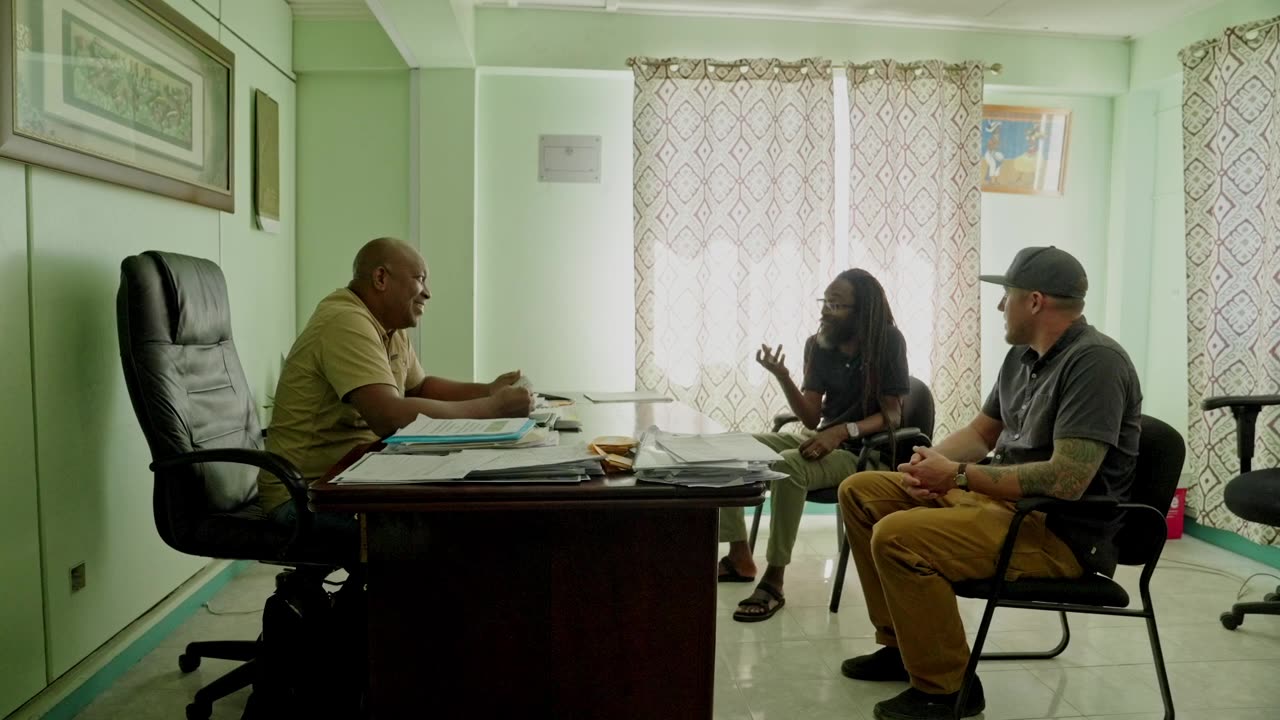
This work is informed by collaboration with local farmers, the Rastafari church, and Jamaican researcher Dr. Machel Emanuel, whose combined regional knowledge helps guide responsible preservation efforts.
Future
Breeding
Preserved Caribbean genetics continue to inform future breeding work, serving as foundational material for new cultivars currently in development.
Origins in the Caribbean
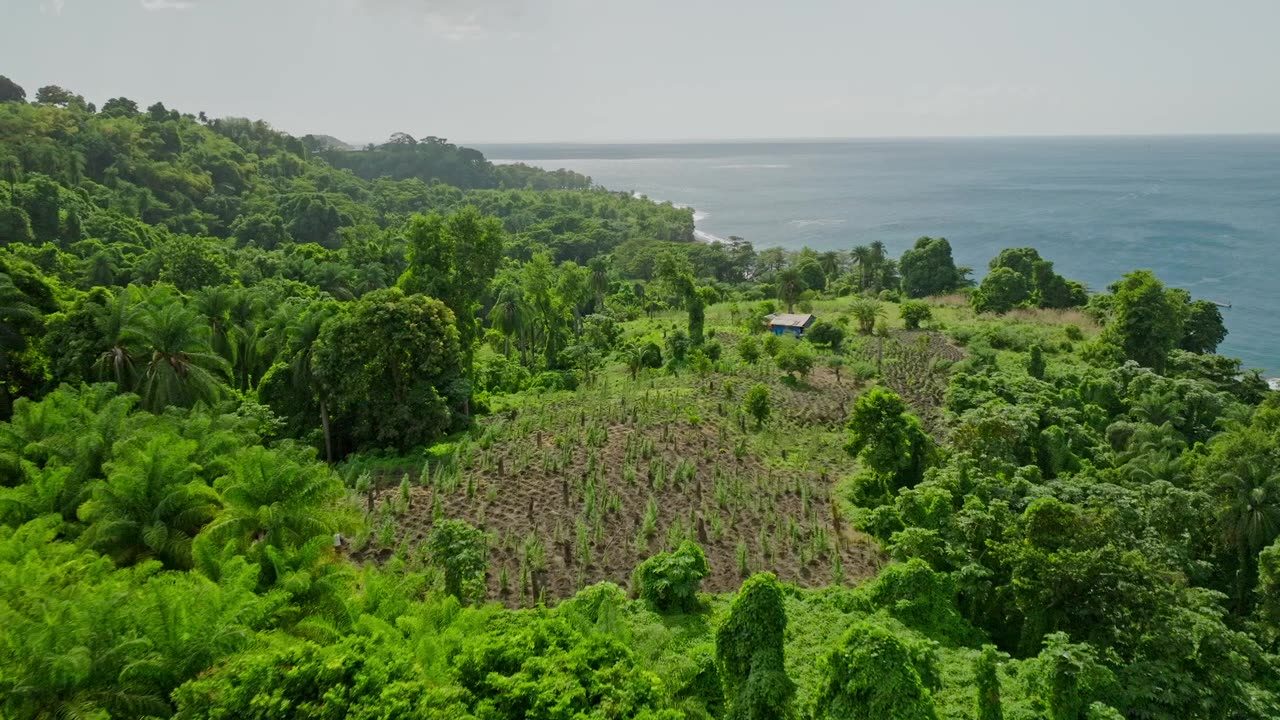
Humboldt Seed Company’s work in the Caribbean began with a focus on preserving landrace cannabis strains that evolved naturally in tropical environments. As modern hybrid genetics became more widespread, many narrow leaf sativa expressions faced the risk of dilution or loss, prompting HSC to approach the region with care and restraint.

Origins in the Caribbean
Humboldt Seed Company’s work in the Caribbean began with a focus on preserving landrace cannabis strains that evolved naturally in tropical environments. As modern hybrid genetics became more widespread, many narrow leaf sativa expressions faced the risk of dilution or loss, prompting HSC to approach the region with care and restraint.
Regional Collaboration
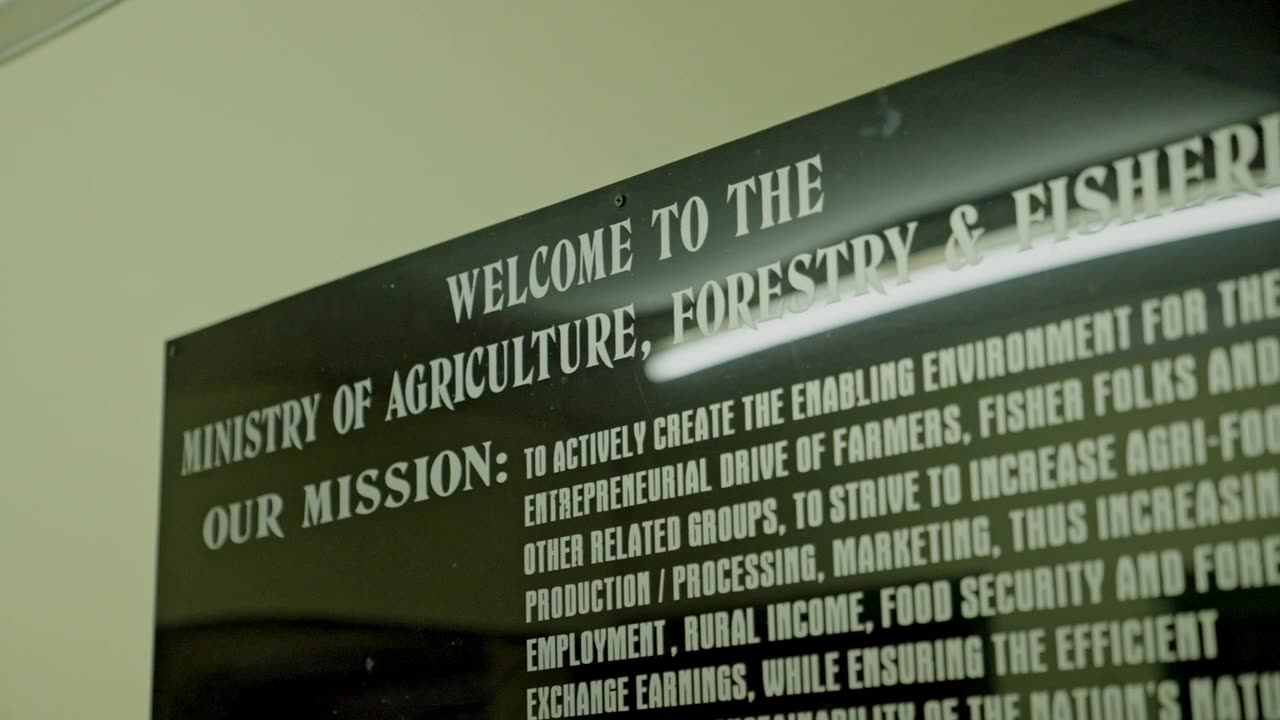
This work grew through collaboration with Jamaican researcher Dr. Machel Emanuel and partners connected to the University of the West Indies, and the Rastafari Church centering on evaluating landrace material in its native context and guiding refinement through selection rather than replacement. Local knowledge and field experience helped shape breeding decisions, ensuring preservation efforts remained responsible and rooted in place.
Regional Collaboration
This work grew through collaboration with Jamaican researcher Dr. Machel Emanuel and partners connected to the University of the West Indies, and the Rastafari Church centering on evaluating landrace material in its native context and guiding refinement through selection rather than replacement. Local knowledge and field experience helped shape breeding decisions, ensuring preservation efforts remained responsible and rooted in place.
Across Islands
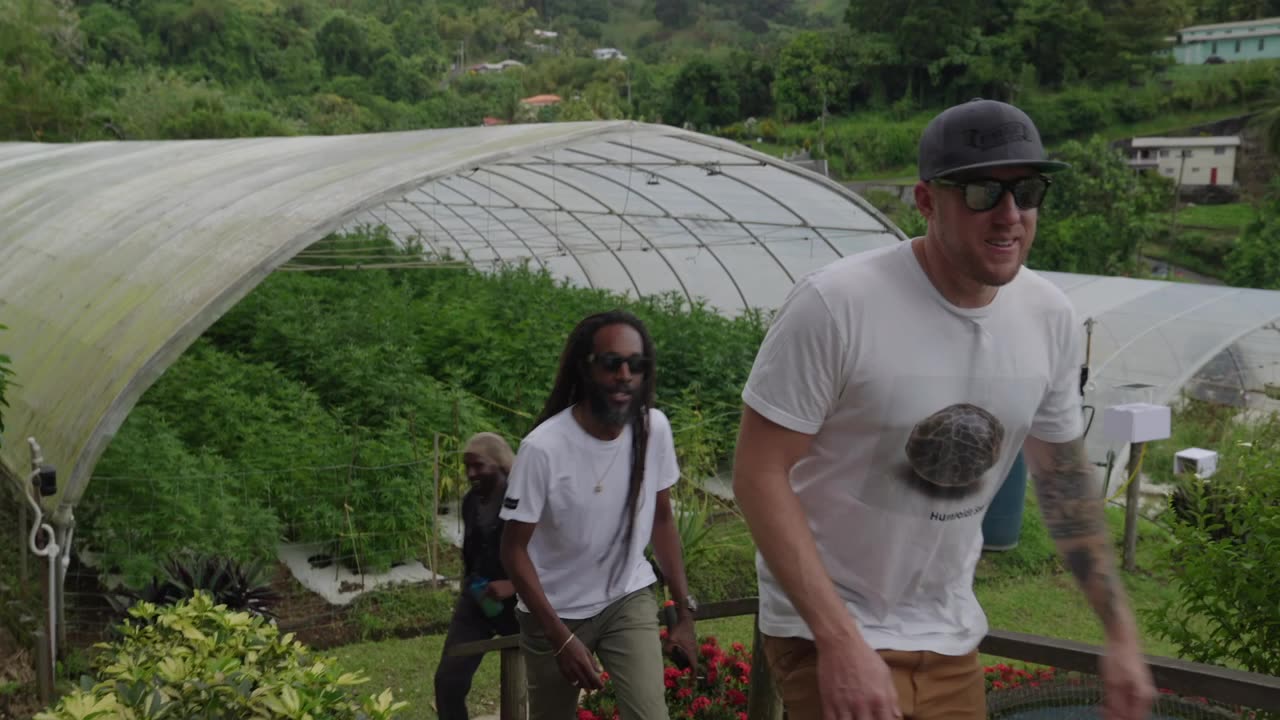
Breeding and evaluation extended across the region. In Jamaica, plants were assessed under true equatorial conditions. In Saint Vincent and the Grenadines, Caribbean Queen genetics were shared to support traditional cultivators rebuilding after the La Soufrière volcanic eruption. Field trials in Antigua and Barbuda further demonstrated how these genetics perform within emerging legal frameworks, including cultivation led by Rastafari communities with long standing ties to the plant.
Across Islands
Breeding and evaluation extended across the region. In Jamaica, plants were assessed under true equatorial conditions. In Saint Vincent and the Grenadines, Caribbean Queen genetics were shared to support traditional cultivators rebuilding after the La Soufrière volcanic eruption. Field trials in Antigua and Barbuda further demonstrated how these genetics perform within emerging legal frameworks, including cultivation led by Rastafari communities with long standing ties to the plant.
Breeding Integrity
Across the Caribbean, HSC’s approach remains consistent. Genetics are developed where they are meant to grow, with input from local farmers and communities who know these environments best. By combining breeding science with on the ground collaboration, Humboldt Seed Company supports both resilient, regionally appropriate cannabis genetics and the farmers working to preserve and sustain them within their place of origin.
Breeding Integrity
Across the Caribbean, HSC’s approach remains consistent. Genetics are developed where they are meant to grow, with input from local farmers and communities who know these environments best. By combining breeding science with on the ground collaboration, Humboldt Seed Company supports both resilient, regionally appropriate cannabis genetics and the farmers working to preserve and sustain them within their place of origin.
Caribbean Pheno Hunt
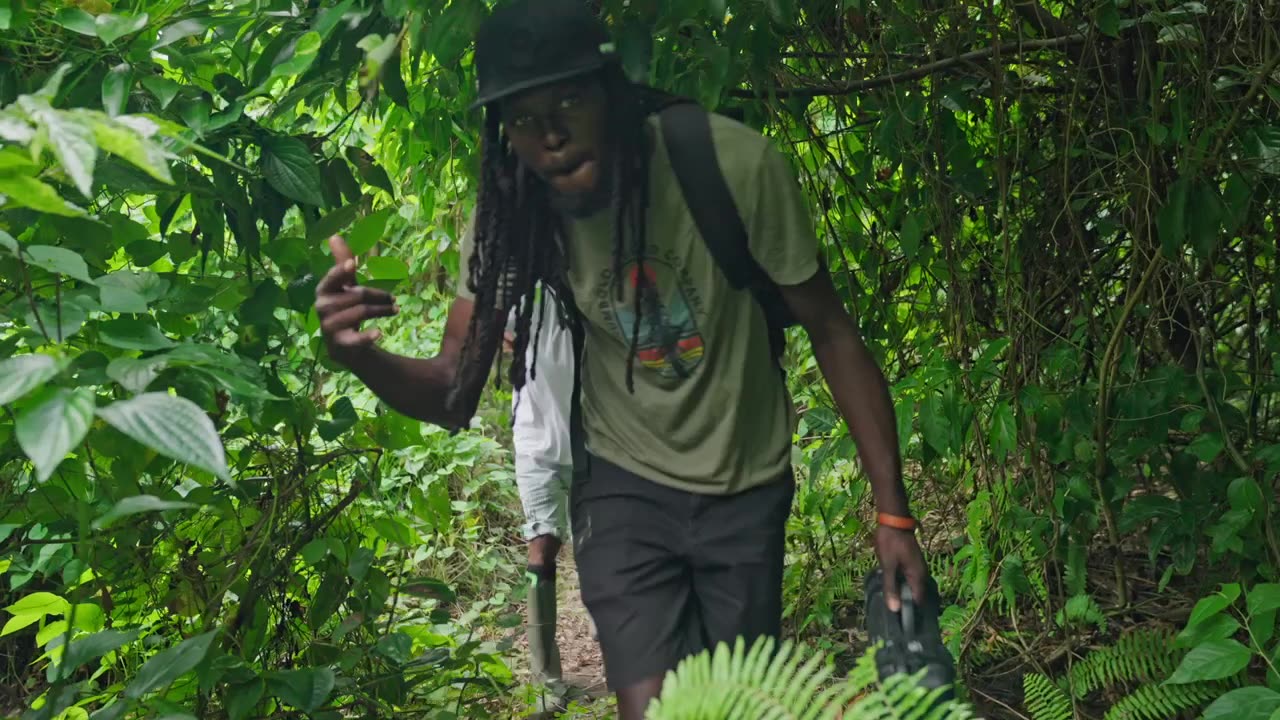
This short documentary offers a closer look at Humboldt Seed Company’s Caribbean Pheno Hunt, where landrace genetics are evaluated in their native environments through careful observation, field selection, and collaboration with local farmers and partners. The work centers on understanding how these plants express themselves under true equatorial conditions, guiding preservation and breeding decisions rooted in place.
Caribbean Pheno Hunt
This short documentary offers a closer look at Humboldt Seed Company’s Caribbean Pheno Hunt, where landrace genetics are evaluated in their native environments through careful observation, field selection, and collaboration with local farmers and partners. The work centers on understanding how these plants express themselves under true equatorial conditions, guiding preservation and breeding decisions rooted in place.