
Harvest Timing for Hash: Why Early, On-Time, or Late Matters
When it comes to making high-quality hash, timing is what can make or break your final product. Harvest too early, and you may end up with flashy, blonde-looking resin that looks great on the shelf but doesn’t press well or deliver the full flavor experience. Wait too long, and colors can turn muddy or reddish, flavors can overripen, and the trichomes can break down too much, rendering the material harder to handle.
According to Ben Lind, Chief Science Officer at Humboldt Seed Co., success starts with understanding your genetics, properly preparing your plants, and letting the plant tell you when it’s ready.
Know your genetics
The first consideration, even before timing, is genetics. Not every strain is built for hash.
A plant that’s “built for hash” is one that naturally produces high trichome density, larger oily trichome heads that separate cleanly during washing or pressing, strong terpene profiles for flavor, and plenty of biomass so you actually have something worth extracting.
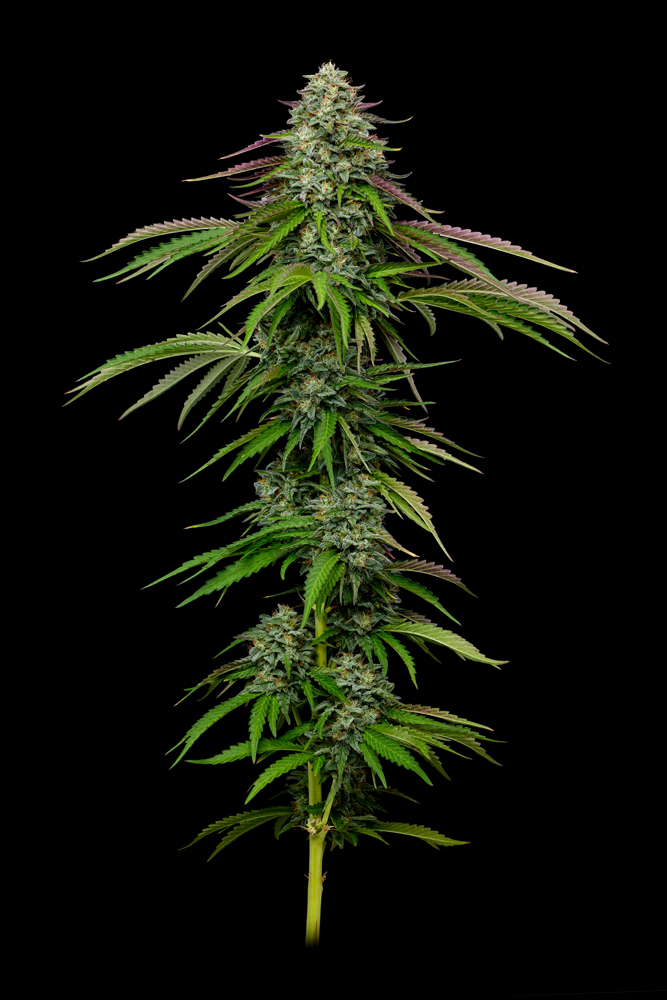
Garlic Budder (GMO x Fortune Cookie).
“GMO crosses, Z crosses, and Papayas: those are all well-suited for rosin or traditional hash,” Lind said. “If you’re working with a plant that isn’t naturally resin-heavy or hash-friendly, all the timing in the world won’t save your final product.”
Once you know you have a good hash strain, you can plan how to maximize both quality and yield.
Prepping for the harvest
A few days before harvest, Lind recommends focusing on removing water leaves: the large fan leaves on the plant.

Indica-dominant fan leaf example.
“Trim carefully without cutting too many leaves, which can leak chlorophyll into the resin,” Lind said. “Organize your workspace, have your tools ready, and aim to harvest during the coolest part of the day, usually early morning. Cooler temperatures are what protect trichomes from bruising. When the environment is too warm or sticky, they can break easier.”
Early harvest: What to know
Harvesting early is tempting. The trichomes are white and shiny, and your hash has a super-blonde appearance that’s visually striking. Many growers pursue this look, assuming lighter resin means higher quality. But Lind cautions that early harvests often sacrifice depth of flavor and aromatic complexity.
“The plant hasn’t fully developed the complete terpene profile, so the hash may press well visually, but the quality won’t be the same,” Lind said.
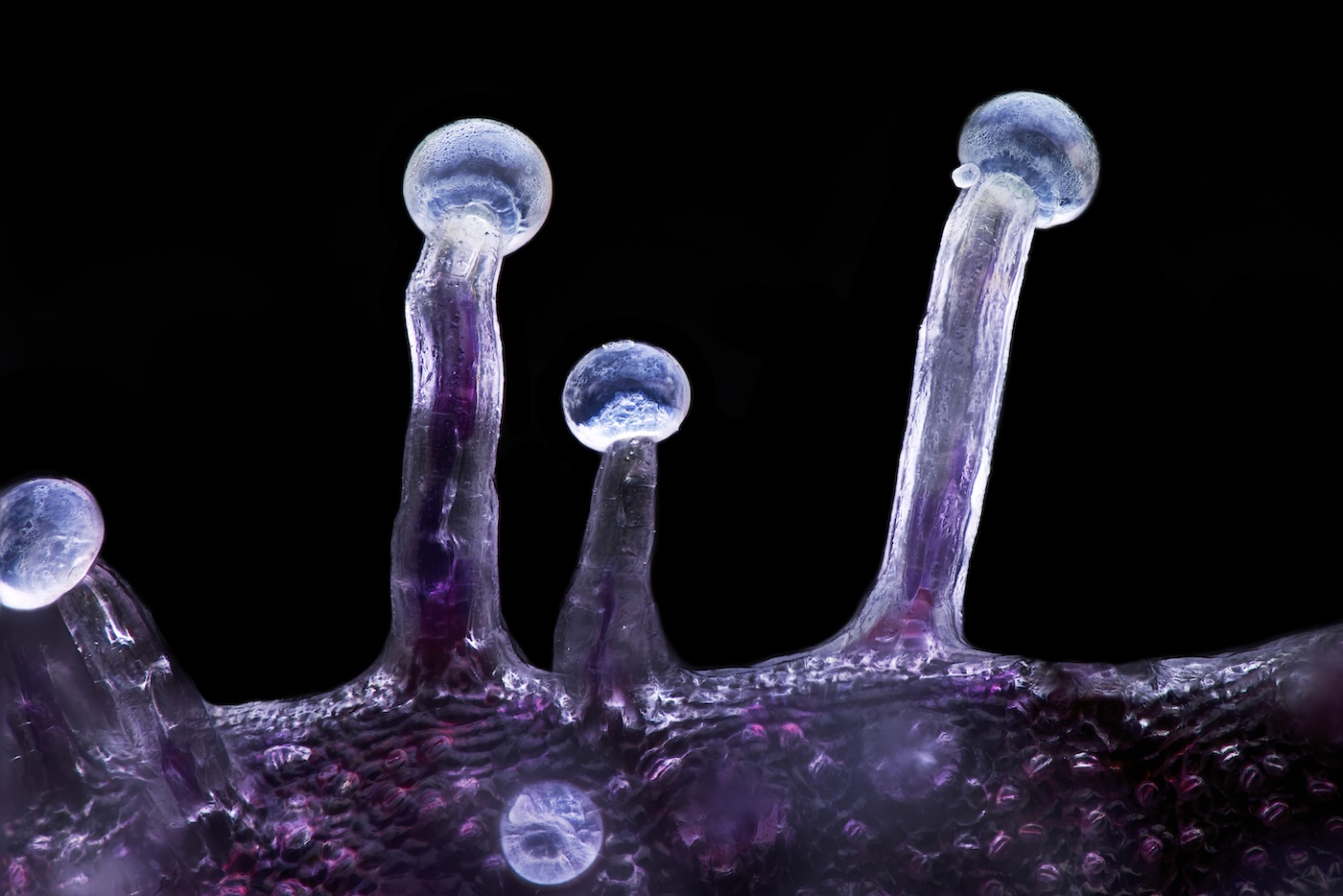
Capitate-stalked trichomes under magnification.
At this stage, trichome heads are softer and more fragile, making them prone to bruising or smearing during harvest and washing. This can lead to sticky, uneven hash that’s harder to handle and less consistent when pressed. The trade-off is clear: early harvests may deliver eye-catching color, but they often fall short on flavor depth, aroma, and structural integrity.
On-time harvest: What to know
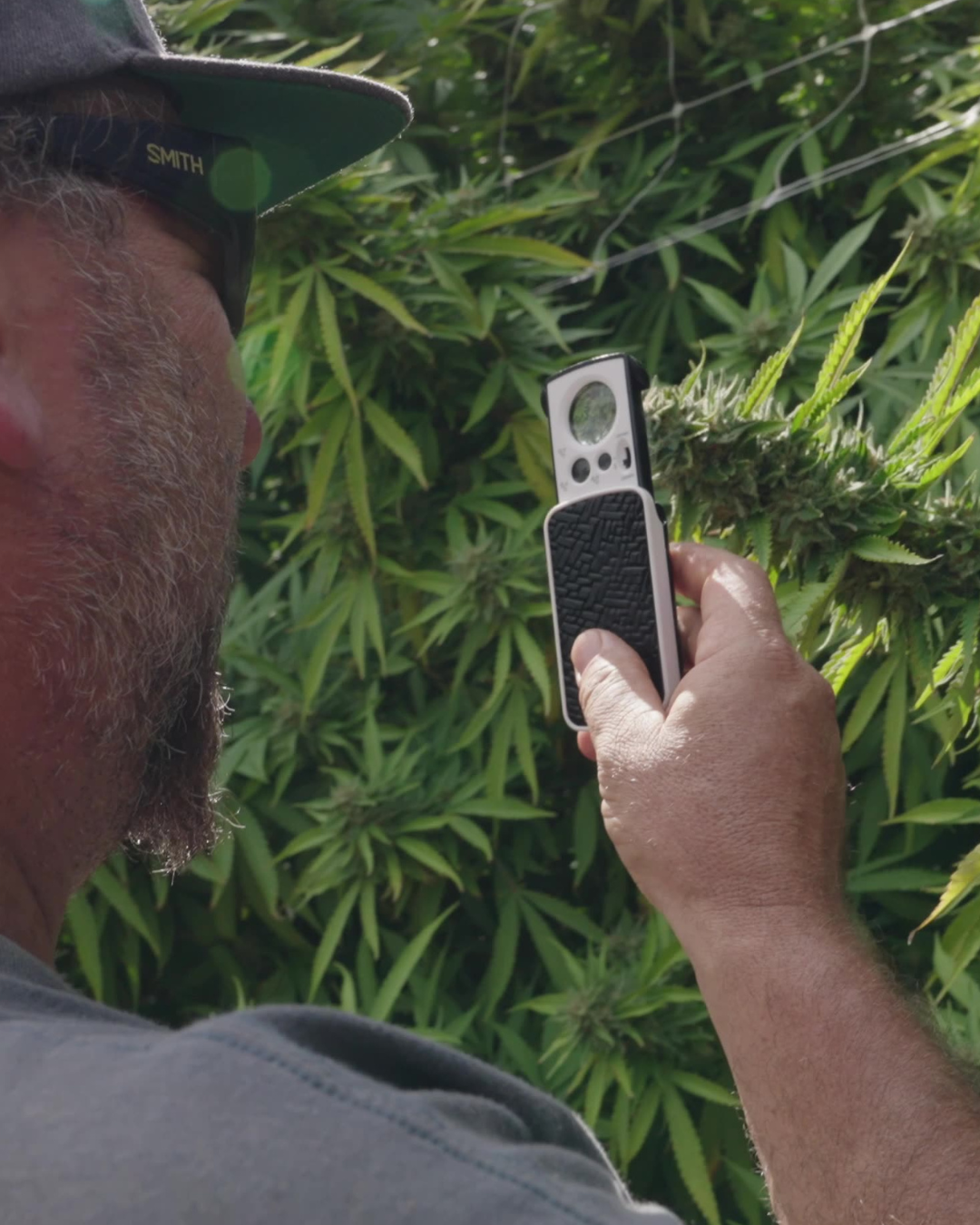
According to Lind, the sweet spot for most hash strains is to harvest at the right time. Trichomes shift from white to golden or khaki, signaling peak maturity. This is when the plant’s potency, flavor, and pressability are perfectly aligned.
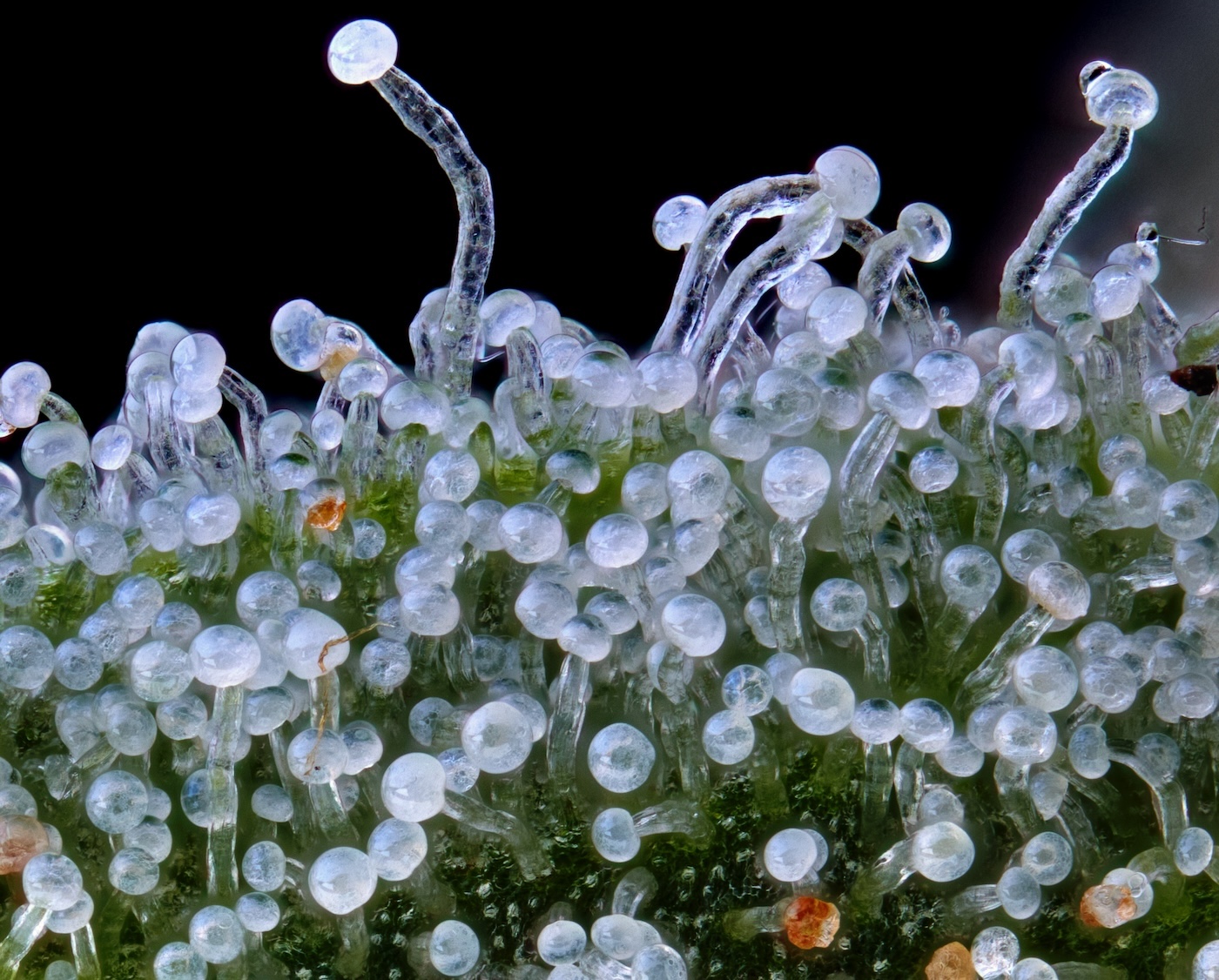
Cannabis trichomes under 5x magnification with a few darker heads.
Harvesting on time helps ensure the hash has a balanced cannabinoid profile, fully developed terpenes, and manageable resin. The buds bruise less, and the trichomes press cleanly. This timing is especially important for rosin production, where trichome integrity directly affects yield and quality.
Late harvest: What to know
You should avoid harvesting too late if you can. Trichomes shift from golden to red or amber tones, and the buds are denser and stickier. While potency may remain high, flavor and handling can become problematic. Trichomes that are past peak maturity are more fragile, and hash can turn darker and harder to work with.
“Waiting too long can reduce overall quality,” Lind says. “You start losing consistency, and handling the resin becomes more difficult. You either want to be right on time or early, but never late.”
Preserving flavor and terpenes
Cooler temperatures during harvest protect the plant’s terpenes, which begin to evaporate or degrade when exposed to heat, light, and oxygen. Many common cannabis terpenes begin to volatilize well below the temperatures at which cannabinoids remain stable, meaning even mild warmth can cause them to evaporate or chemically break down before they ever make it into your final product.
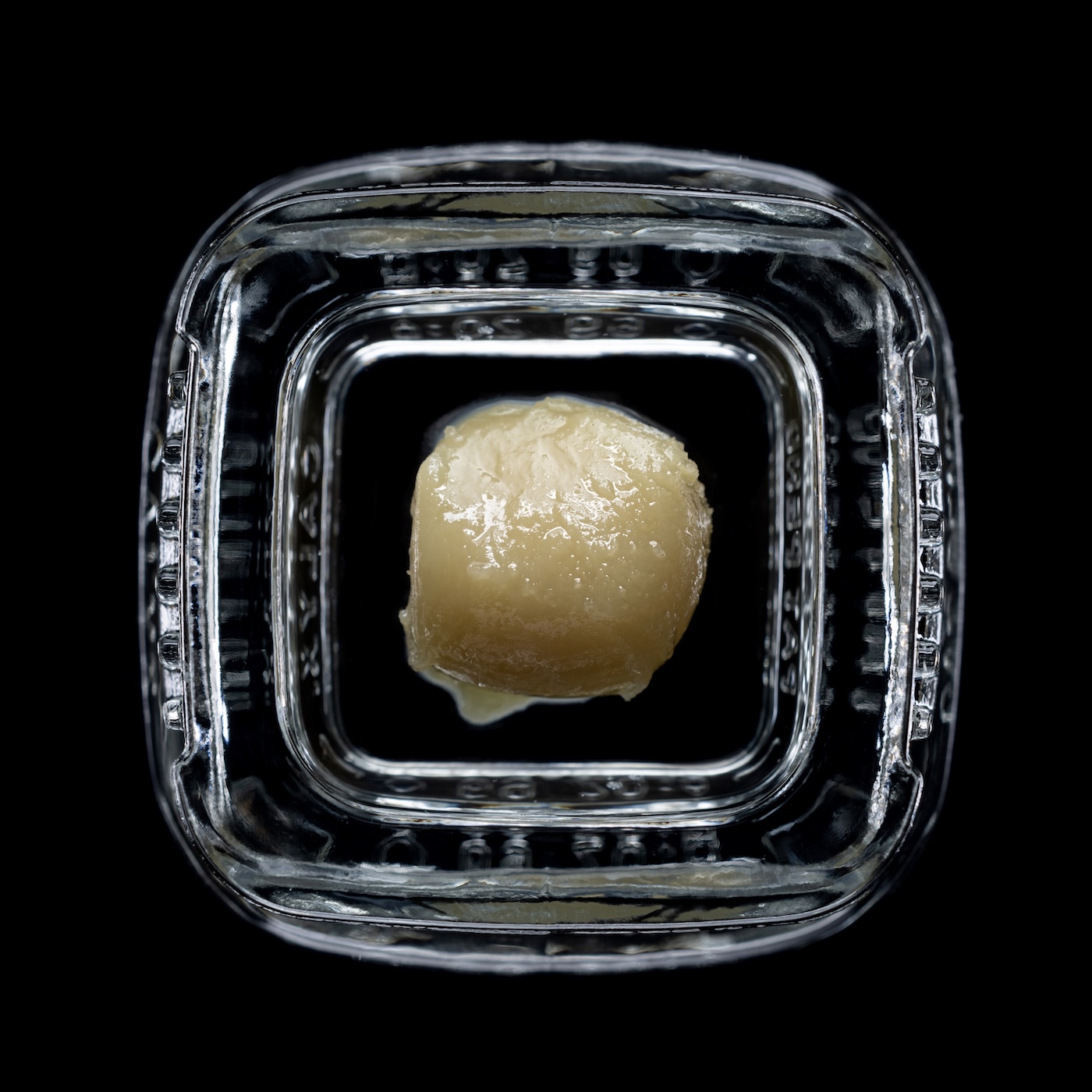
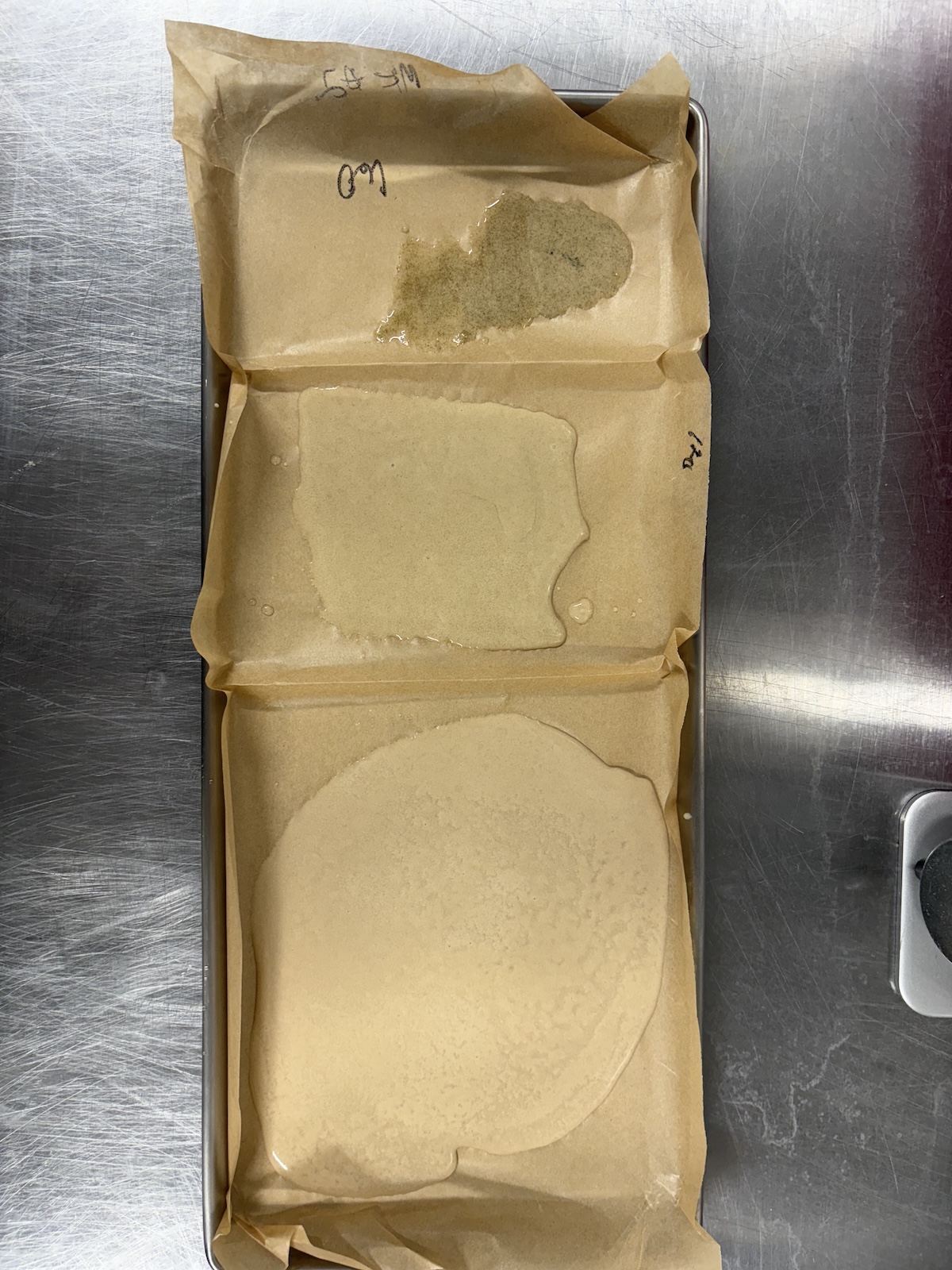
Premium cannabis rosin.
Each terpene has a specific thermal threshold. For example, lighter monoterpenes like limonene and pinene evaporate at relatively low temperatures compared with heavier sesquiterpenes. When plant material warms up during harvest or handling, these lighter terpenes can rapidly escape into the air or oxidize, leading to muted flavors and altered aromatic profiles.
Harvesting in cool, stable conditions slows down these volatile losses, keeping more of the natural bouquet intact from plant to press. That’s why growers aim for early morning cuts or controlled indoor conditions: the cooler ambient temperatures reduce terpene volatility and oxidation, helping ensure that the complex aromatic profile you see in trichomes actually survives through to your hash.
Handling and environment
Beyond timing and handling, the environment also plays a critical role. Harvesting in the early morning, when the air is cool, reduces the risk of trichome damage. Indoor growers should align harvest with the light cycle to maintain optimal temperature and humidity.
“Buds bruise more easily when it’s hot or humid,” Lind said. “Keeping the environment cool and calm is just as important as knowing when to cut.”
Professional hash harvesting tips from Ben Lind
- Early morning is best. Cool temperatures help preserve trichomes and terpenes.
- Handle gently. Treat trichomes like fragile crystals, and remember that bruising reduces yield and flavor.
- Prep before you cut. Remove water leaves in advance to reduce chlorophyll contamination.
- Trust the trichomes, not the color. White resin isn’t always better than golden.
In short, harvest timing is an art. It’s about balancing color, potency, and flavor while staying true to the plant’s genetics.
Get the Best Tips & Tricks

About the Author: Taylor Engle