
How to Store Cannabis Seeds, Flower, and Concentrates
Great cannabis deserves great storage. Because there’s nothing worse than spending months of time or significant cash on spoiled products. From storing seeds for the next grow to preserving fresh flower or concentrates, proper storage matters. Otherwise, your cannabis products start losing their potency, flavor, and long-term quality.
Seeds, flower, and concentrates all want different environments. What keeps seeds happy won’t do much for live resin, and what keeps flowers fresh could ruin your dabs.
Read more to learn how to store cannabis: what works, what doesn’t, and why it matters.
How to Store Cannabis Seeds
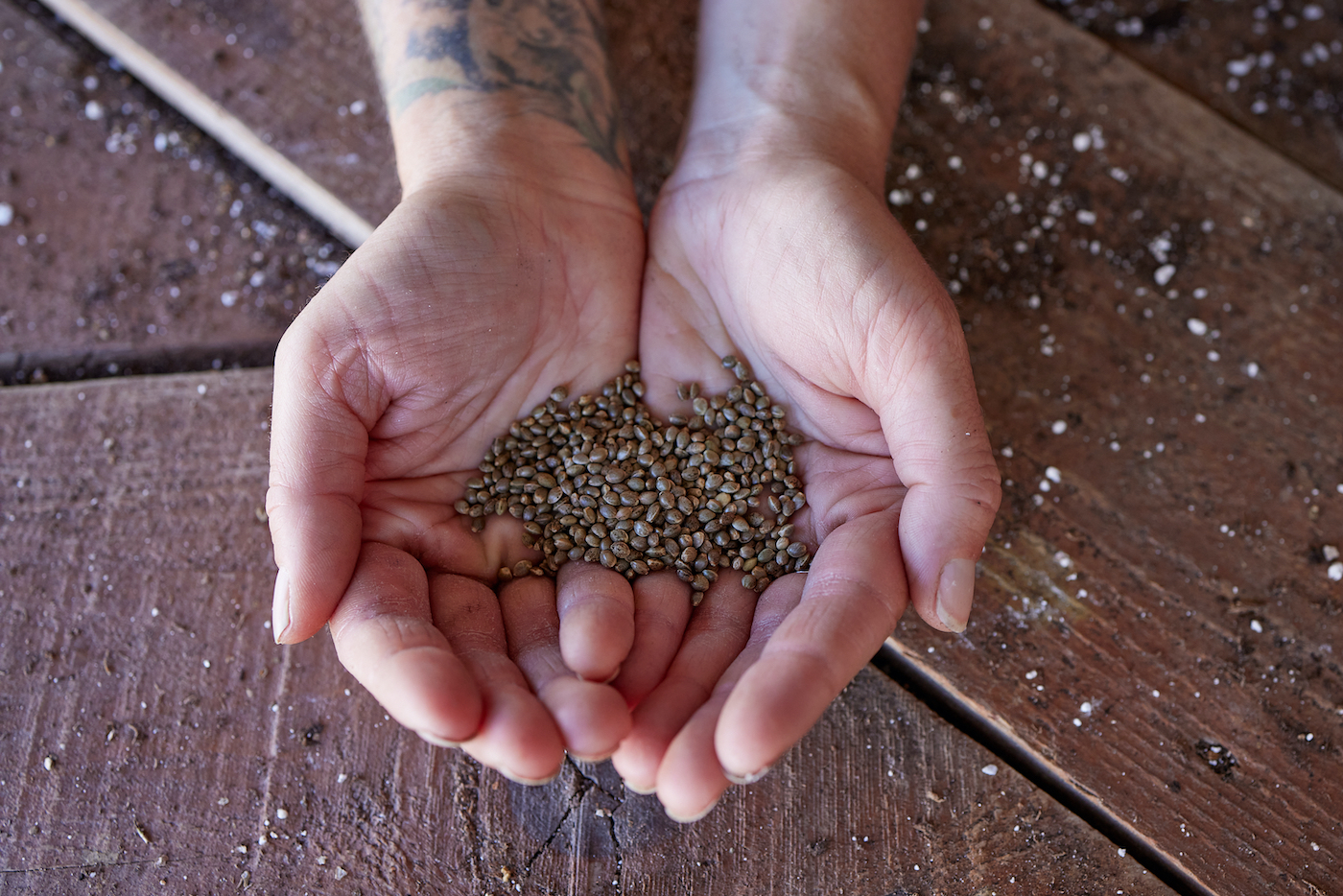
Stored properly, cannabis seeds can remain viable for 5-10 years or more. But store them poorly, and seeds can lose their vigor within a single season. Seed storage is all about preserving germination rates and protecting genetics. This is especially true if you’re saving rare or personal cultivars.
What Seeds Need: Dark, Dry, and Cool
Seeds are dormant organisms. To keep them stable, keep the following things in mind:
- Darkness protects seeds from UV rays damage.
- Dry conditions prevent growing mold and premature germination.
- Cool temperatures slow metabolic aging.
Ideal seed storage conditions look like 40-50°F, humidity below 10 percent, and no temperature fluctuations.
Best Seed Storage Methods
- Premium, long-term option
Vacuum-sealed packaging combined with a desiccant and a dedicated mini-fridge is a winner. This combination minimizes oxygen, eliminates moisture, and maintains consistent temperature. This is ideal for long-term genetic archiving.
- Reliable, everyday options
Quick options you likely have at home include: airtight glass jars, film canisters, or metal tins. Store these containers in a stable, cool location away from UV or heat sources.
Refrigeration vs freezing (pros and cons)
Refrigeration
Pros:
- Stable temperatures
- Excellent for long-term health
- Low moisture risk if containers are airtight
Cons:
- Household fridges fluctuate from door opening
- Odor penetration is possible without proper sealing
Best for: Most growers and small breeders
Freezing
Pros:
- Freezing can preserve seeds for many years when executed correctly
Cons:
- High risk of moisture intrusion
- Ice crystals can damage cell structures
- Requires slow thawing before use
Best for: Controlled environments or experienced operators
Pro tip: Always label seeds with strain, batch, and date. Clear records protect your genetics more than memory ever will.
Storing Cannabis Flower
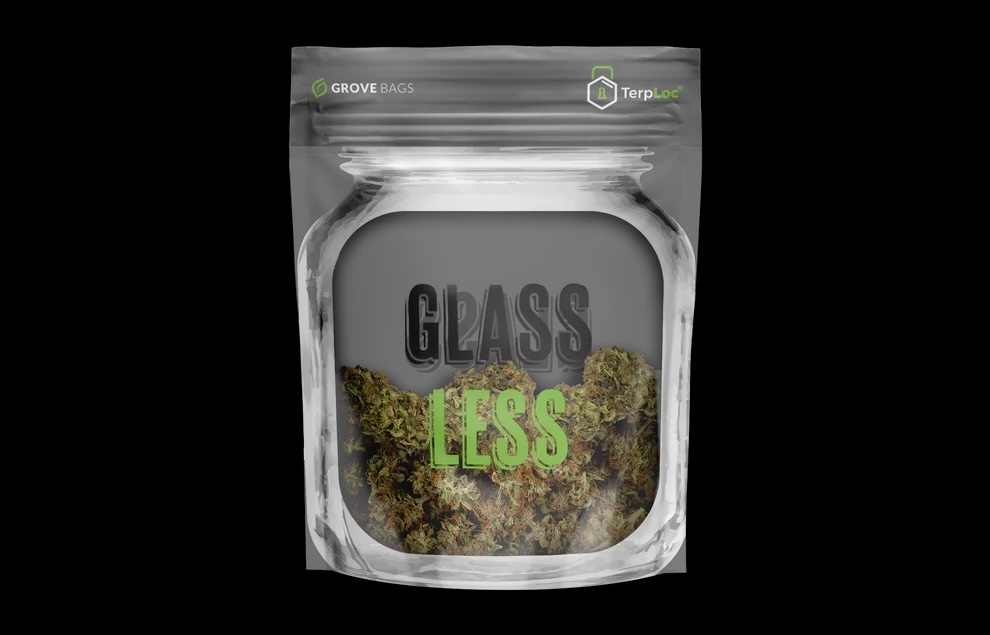
Grove Bags glass-less curing option.
When people ask how to store weed or how to keep cannabis fresh, flower is usually the priority. Properly stored, cannabis flower can maintain quality for 6-12 months, sometimes longer. Buds need constant protection from UV light, heat, oxygen, and humidity.
Common Flower Storage Mistakes
- Storing flower in plastic bags (static pulls off trichomes)
- Leaving jars open, leading to overdrying
- Exposing flower to sunlight or UV light
- Keeping jars near heat sources or electronics
- Allowing humidity to drift too high or too low
Best Storage Containers for Flower
Want to know how to store marijuana? UV-blocking, airtight cannabis storage jars with integrated humidity control are your best bet for a premium option. These provide stable temperature and humidity and protect against terpene degradation caused by UV exposure.
Some other strong options include:
- Mason jars
- Grove Bags’ TerpLoc humidity-controlled pouches
- Airtight glass containers with humidity packs (55-62%)
Avoid thin plastics or anything that lets light or air in.
Ideal Conditions for Cannabis Flower
Want to know how to store cannabis flower? To maintain flavor and potency, keep an eye on the following:
- Temperature: 60-70°F
- Humidity: 55-62 percent RH
- Light: Minimal. UV rapidly breaks down cannabinoids
- Airflow: None; airtight storage is essential
Pro tip: Check on your flower monthly. If it feels brittle, consider adding a humidity pack. If it feels soft or spongy, air it out for 15-30 minutes and reassess.
How to Store Cannabis Concentrates
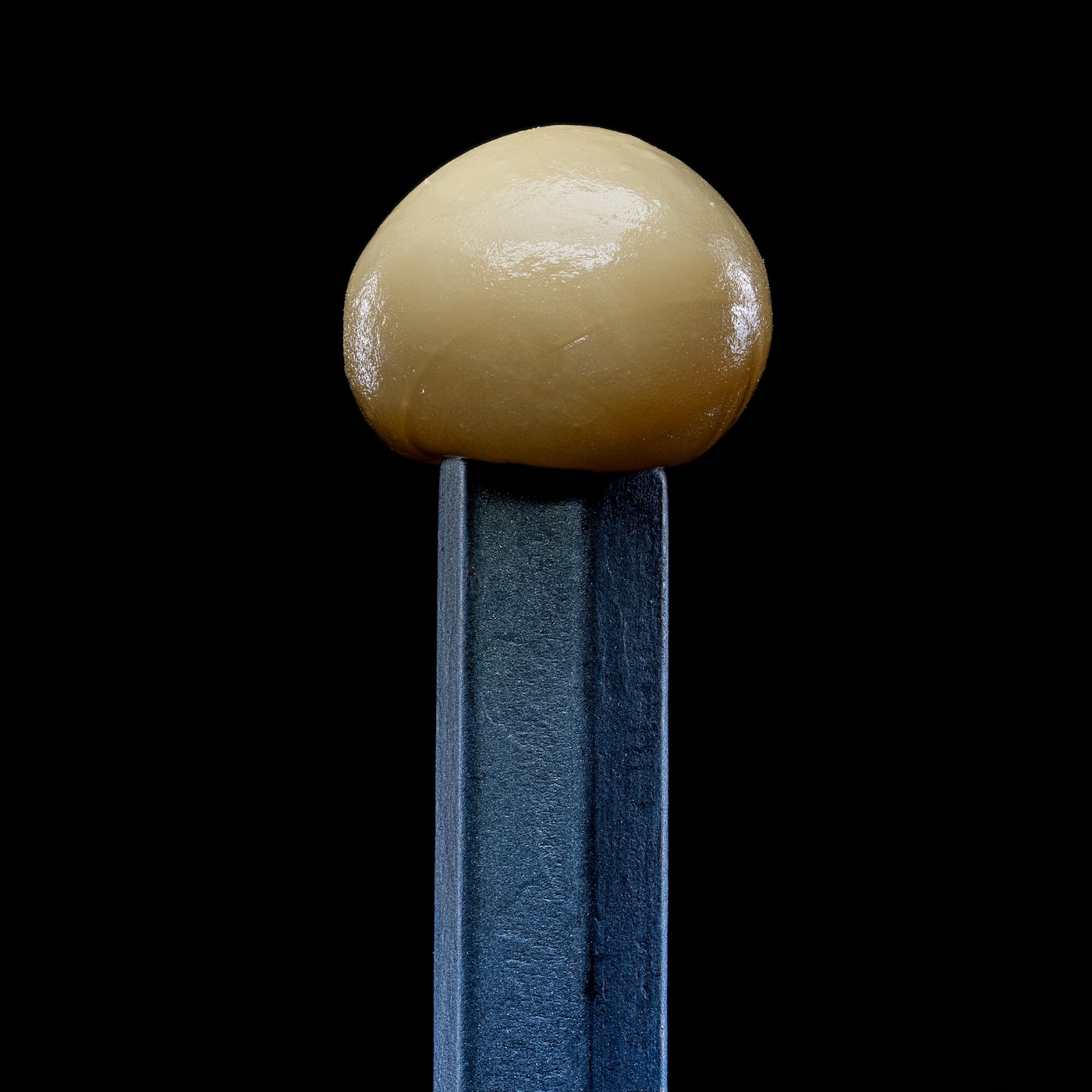
Hash rosin
Concentrates are the most sensitive to heat and oxygen. Their terpene content is high, and terpenes degrade quickly when stored improperly. Under ideal conditions, many concentrates stay fresh for several months. However, terp-rich products often perform best at cooler temperatures.
Methods by type
If budget isn’t a concern, consider a temperature-controlled mini-fridge paired with airtight glass jars. This preserves terpenes well, especially for hash, rosin, and live resin.
Some other options include:
Wax, Shatter, Crumble
- Keep in parchment, silicone, or small airtight glass jars
- Store in a cool, dark place
- Avoid high temperatures and UV exposure
Hash and Rosin
- Short-term: Airtight glass or silicone at room temperatures
- Long-term: Refrigeration maintains terpene profile and stability
Live Resin and Sauce
- Store in small, airtight glass jars
- Best preserved in the refrigerator to protect volatile terpenes
Pro tip: Limit how often you open jars. Every exposure introduces fresh oxygen, speeding terpene loss. Minimal exposure is the best way to keep weed fresh.
FAQ
Should you keep cannabis in the fridge?
Seeds and concentrates can benefit from refrigeration. Flower generally does better in a cool cabinet or drawer unless you have professional-grade humidity level control.
What’s the best storage for weed?
Want to know how to keep weed fresh? Airtight containers in a cool, dark place with humidity control (55-62 percent RH). This is the most reliable method for maintaining flavor and potency.
How long can properly stored marijuana last?
- Flower: 6-12 months
- Seeds: 5-10 years
- Concentrates: Several months to a year, depending on type
Should you store cannabis concentrates in a fridge?
Yes! In fact, for rosin, hash, live resin, and terp-heavy products, refrigeration is ideal. Refrigeration is even better for long-term storage or mass cannabis production.
What’s the best temp to store cannabis seeds?
Growers generally recommend storing seeds in a cool, non-freezing environment. Usually around 40 degrees Fahrenheit or four degrees Celsius.
Get the Best Tips & Tricks
About the Author: Taylor Engle