6 Best Cannabis Strains for Inflammation
Cannabis has gained recognition for its therapeutic potential, particularly in relieving a multitude of health issues, such as inflammation, which affects millions, often leading to chronic pain and discomfort. This article explores the best cannabis strains known for their anti-inflammatory properties, providing insights for those seeking natural relief and empowering them with the knowledge to make informed choices for managing inflammation.
Over-the-Counter Medicine
Inflammation is the body’s biological response to harmful pathogens, damaged cells, or irritants, characterized by redness, swelling, joint pain, and sometimes loss of function. It can be acute, occurring rapidly and lasting only a short time, or chronic, persisting for months or years and potentially causing tissue damage. Common causes include infections, strains, injuries, toxins, and autoimmune responses, such as arthritis, lupus, and bowel disease.
Non-steroidal anti-inflammatory drugs (NSAIDs), such as aspirin, ibuprofen, and naproxen sodium, have been typically used to manage inflammation, pain, and fever. While these medications provide short-term relief, prolonged use may be associated with significant health risks. Recent medical research has linked chronic NSAID use to gastrointestinal complications, including ulcers, hemorrhage, and perforation of the gastric mucosa.
A PubMed article found that inhibiting COX-2, an enzyme that produces prostaglandins, can disrupt the balance of inflammatory mediators, thereby increasing the risk of cardiovascular events. Furthermore, research shows that prolonged NSAID use can significantly impair kidney function by reducing renal blood flow. Thus, while NSAIDs are invaluable for short-term management of inflammation, their long-term use warrants careful consideration.
The Endocannabinoid System
Recently, cannabis has emerged as a potential alternative therapy for some, and cannabinoids such as THC (tetrahydrocannabinol) and CBD (cannabidiol) play a fascinating role by interacting with the endocannabinoid system (ECS). This intricate cell-signaling network governs vital bodily functions, including immune system responses. The ECS comprises endocannabinoids, CB1 and CB2 receptors, and enzymes that synthesize and degrade these signaling molecules.
When inflammation occurs, the body automatically produces pro-inflammatory cytokines, which can cause discomfort and even severe chronic conditions. THC primarily binds to the CB1 receptors in the brain, altering pain perception and reducing inflammation. At the same time, CBD interacts more with other receptors throughout the EDS, modulating immune function and exerting anti-inflammatory effects without THC’s psychoactive properties.
Research has shown that cannabinoids may reduce the production of inflammatory mediators, thereby reducing swelling and pain. Moreover, CBD has been shown to counteract oxidative stress, further supporting its anti-inflammatory effects. By balancing the ECS, cannabinoids promote homeostasis and effectively mitigate inflammatory responses, making them potentially valuable options for managing chronic inflammation and related disorders.
The Role of Terpenes
Terpenes are volatile compounds produced by cannabis, characterized by diverse structures and aromatic properties. These compounds not only confer unique aromatic profiles but also modulate the pharmacological effects of cannabinoids through the entourage effect, influencing mechanisms such as receptor binding and neurotransmitter activity, thereby contributing to the plant’s overall therapeutic potential and anti-inflammatory properties.
Beta-caryophyllene is a naturally occurring sesquiterpene compound found in a variety of plants, including black pepper, cloves, and cannabis. It is known to interact specifically with the body’s endocannabinoid system by binding to the CB2 receptor. According to a study on NCBI, beta-caryophyllene exhibits anti-inflammatory properties, suggesting it could be beneficial for inflammatory conditions such as arthritis or inflammatory bowel disease.
Additional research indicates that certain terpenes, such as limonene and myrcene, may have potent anti-inflammatory effects. Limonene, with its vibrant citrus aroma, has been shown to reduce inflammation and alleviate stress. Meanwhile, myrcene, known for its earthy, musky scent, may enhance the effectiveness of cannabinoids through the entourage effect, making these compounds even more intriguing for their therapeutic properties, particularly their potential for reducing pain.
Top 6 Indica Strains For Inflammation
While we’re not medical professionals and cannot offer any medical advice, we want to share six of our favorite strains known for their soothing effects that can melt away any unwanted stress and tension.

All Gas OG
All Gas OG (Humboldt Venom OG x Humboldt OG)
All Gas OG is celebrated for its dense, generously sized buds and a rich terpene profile that entices the senses. It emits a distinctive skunky aroma, layered with subtle hints of peppery sandalwood and freshly squeezed orange. With THC content exceeding 21%, this strain delivers potent, impactful effects. The high offers body relaxation and intense calming, making All Gas OG a standout choice for cannabis enthusiasts seeking a powerful body stone.

Moon Fog
Moon Fog (Moonfog x P. Face OG x High Octane)
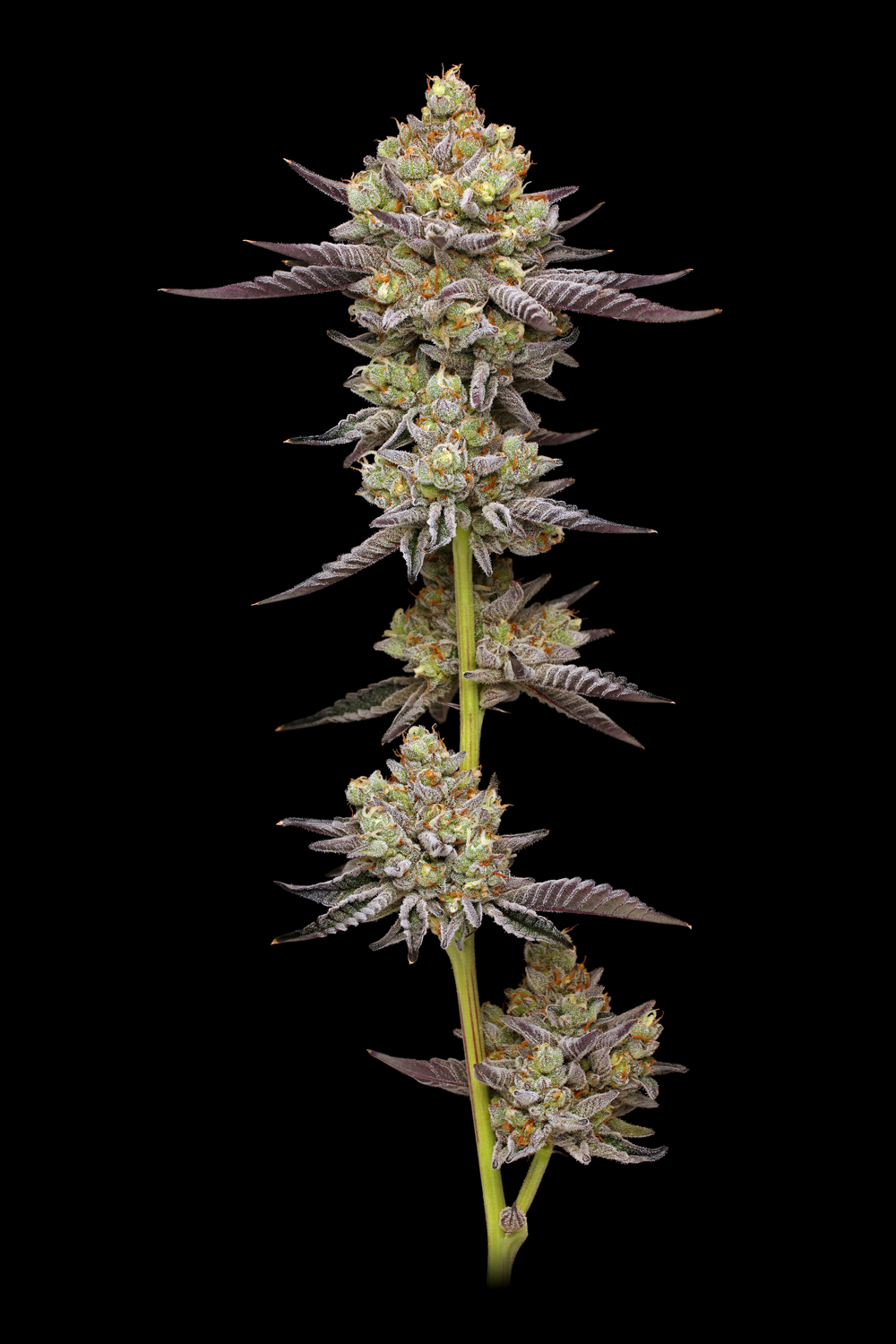
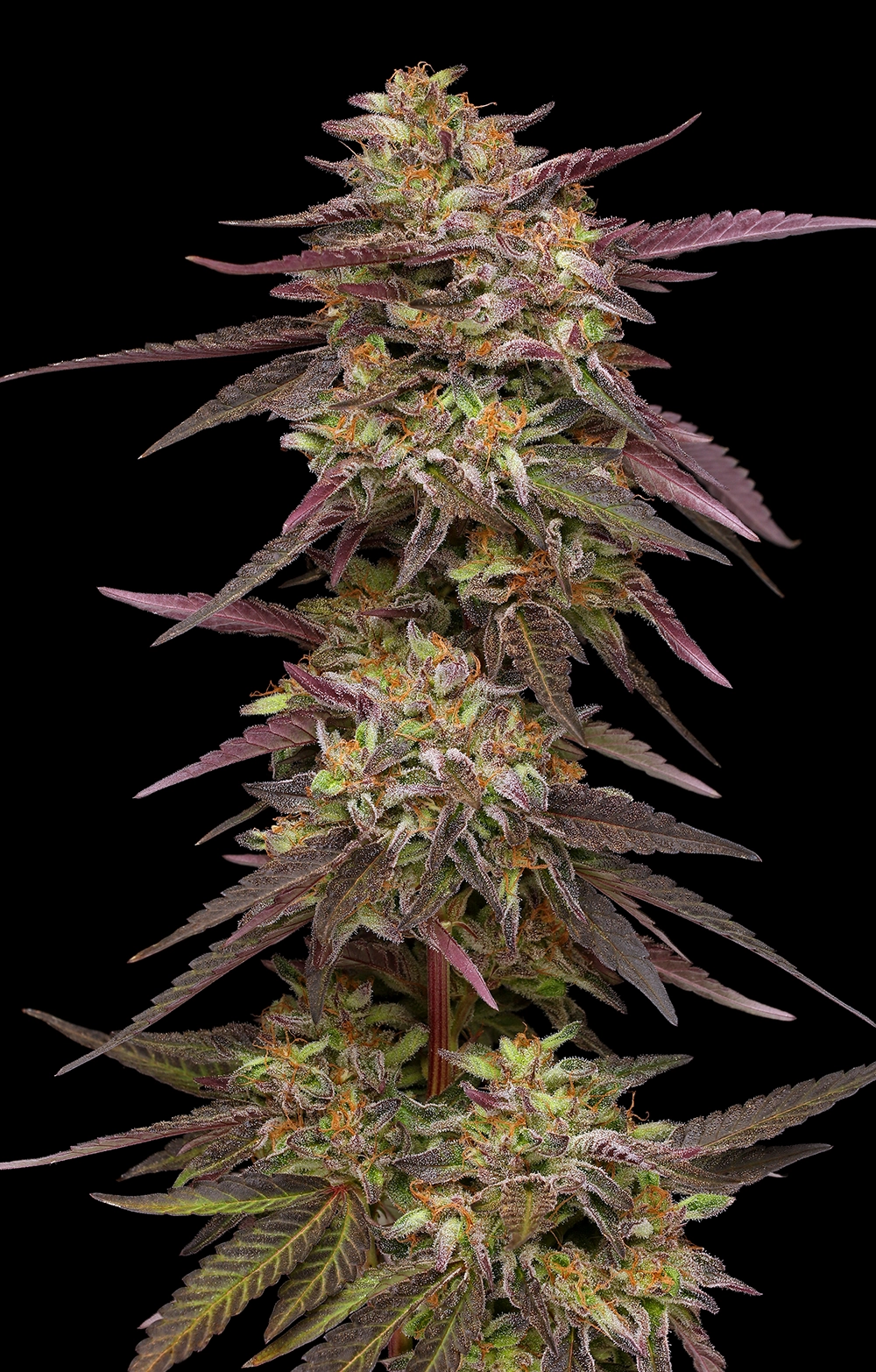
Moon Fog is adorned with a blanket of trichomes and purple hues, offering a celestial, dreamy high. Its terpene profile, rich in myrcene and beta-caryophyllene, contributes to its distinctive aroma and flavor. Known for its high levels of THC, this strain delivers a smooth, uplifting effect that fades into a full-body stone. Perfect for those seeking a cosmic journey through the senses, this feminized indica-dominant hybrid promises an unforgettable high.

Hella Jelly
Hella Jelly Auto (Hella Jelly Photoperiod x Jelly Donutz Auto)
Hella Jelly Auto boasts an invigorating terpene profile with aromas of fresh cotton candy and fruity jelly beans, along with dense, resin-rich buds. Its terpene composition may contribute to a potentially soothing experience, complemented by uplifting and energizing effects. With a quick cultivation cycle of up to 80 days, this indica-dominant hybrid is known for its rich flavor, potency, and XL yields, while its compact size makes it perfect for first-time growers.

Garlic Budder
Garlic Budder Auto (Garlic Budder Auto Bx3 x GMO x Emerald Fire Auto)
Garlic Budder Auto is renowned for its pungent terpene profile, combining the sharp, fresh scent of garlic with subtle buttery and nutty undertones. This strain produces effects that are both potent and well-balanced, fostering pain relief and euphoria. The plant grows vigorously, developing a bushy structure that supports high yields, and typically matures in about 75 days from planting, with high-THC levels reaching up to an impressive 32%.

Hyper Za
Hyper Za (Farmers Daughter x Wedding C. x Poddy Mouth x (NF15 S2))
Hyper Za is a resilient hybrid known for its relatively short 55-day flowering period. It produces aesthetically pleasing buds densely coated with trichomes. The strain provides a potent body high and boasts a distinct terpene profile, featuring a pungent diesel aroma complemented by subtle notes of freshly baked cookies. Many people look to this strain for its potential to relieve pain. It is highly productive, and its robustness and low-maintenance traits make Hyper Za an ideal choice for novice growers.

Candy Hustle
Candy Hustle (Don Carlos x Jose x Grape Menthol)
Candy Hustle is celebrated for its striking, vibrant purple hues and exceptional terpene profile, particularly its abundant limonene content. This cultivar emits a rich aroma reminiscent of freshly picked grapes, complemented by a refreshing note of menthol. Renowned for its XL yields, Candy Hustle not only captivates the eye with its visual appeal but also delivers a potent high, making it a favored choice among cannabis connoisseurs.
Expert Tips
Finding the right strain and dosage is essential for effectively managing inflammation. Different cannabis strains possess unique combinations of cannabinoids and terpenes, each contributing to their therapeutic effects. For instance, strains high in CBD may offer anti-inflammatory properties without psychoactivity. Conversely, some strains high in THC might provide stronger relief but can also lead to unwanted side effects. It’s trial and error.
For those with respiratory issues, smoking may not be suitable, but don’t worry, there are lots more ways to enjoy cannabis. Infused oils can provide a more controlled dose and longer-lasting effects, whereas edibles may deliver prolonged relief but have a longer onset time. Infused topical creams provide localized relief for pain, inflammation, or skin conditions without producing psychoactive effects, making them popular for therapeutic purposes.
Another effective way to use cannabis to manage inflammation is to ensure you’re in a comfortable environment, like your home, where you feel at ease. Creating a comfortable, stress-free setting not only enhances the experience but also maximizes the potential anti-inflammatory effects. By finding a peaceful spot where you can truly unwind, you increase your chances of achieving the best results.
So, sit back, put your feet up, and enjoy the ride.
Do your Research; Speak with your healthcare professionals
Cannabinoids and terpenes may synergistically enhance therapeutic effects, and current research indicates that terpenes possess anti-inflammatory traits. However, the interactions among these compounds remain incompletely understood and require further scientific investigation. Ultimately, optimizing the potentially therapeutic benefits of cannabis requires a personalized approach, involving trial-and-error guided by your own individual responses and experience. It’s also important to discuss symptoms and different types of pain with a healthcare professional for the best results.
Head over to our Instagram to share your experiences with cannabis and inflammation, check for updated strain information, or follow the blog for more educational content!
Get the Best Tips & Tricks


About the Author: Mark Smith