

9 Expert Cannabis Growing Tips for a Better Homegrow
If you’re looking to elevate your homegrow cannabis game, the experts at Humboldt Seed Company have a few proven tips and techniques that can make a meaningful difference. Drawing on insights from experienced cannabis breeders and cultivators, these practical strategies can help you grow healthier plants, improve your harvest, and avoid common mistakes along the way.
Choose the Right Genetics for Hash Making
Always consider the ultimate goal when selecting new genetics for your garden. Whether you’re aiming for solventless extraction or specific terpene profiles, choosing the right strain is fundamental. A weed strain designed for washing typically features larger, oily trichome heads that separate easily during solventless extraction, making the process more efficient. However, not all strains suit washing, so choose your genetics based on your cultivation requirements.
“If you’re working with a plant that isn’t naturally resin-heavy or hash-friendly, all the timing in the world won’t save your final product,” said Ben Lind, Co-Founder and Chief Science Officer at Humboldt Seed Company.

Capitate-stalked trichomes (under magnification), where terpenes are produced and stored.
For hash makers, the key factor is the presence of large, capitate-stalked trichomes, which contain more oil and are easier to collect in filtration bags. High-performing cannabis hybrids for bubble hash have structural features that help separate trichomes, such as large resinous heads, weak trichome necks that detach with agitation, dense trichomes on flower surfaces, and open flower structures that expose more trichomes, increasing return yield efficiency.
If you’re looking for cannabis strains with high-return rates, check out these four bangers:
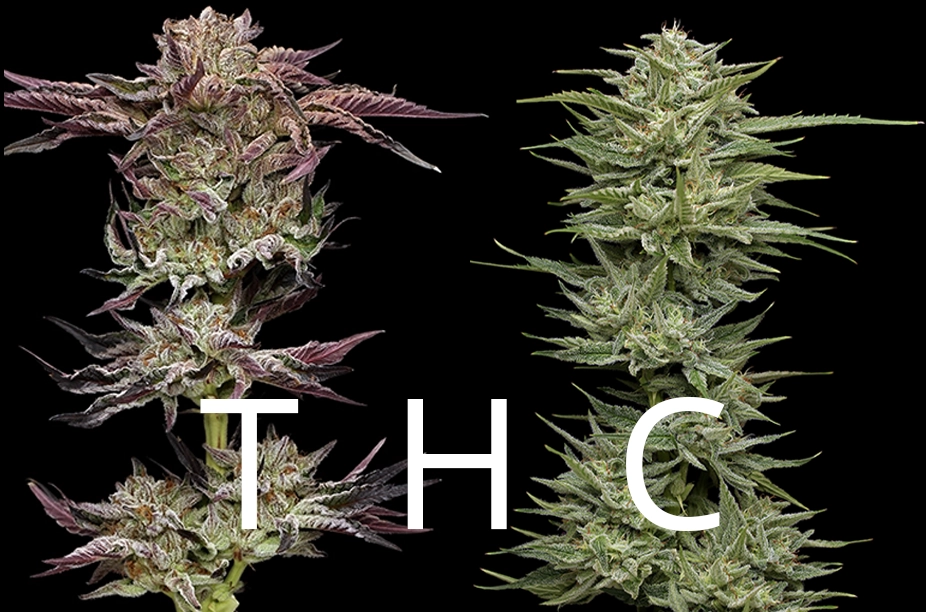
- Puff Pastry is a sativa-dominant hybrid with high THC levels pushing 33%. It shines as a washer, thanks to its potential for gigantic, bulbous buds rich in dense, sticky resin, capable of producing ample light-white-colored rosin.
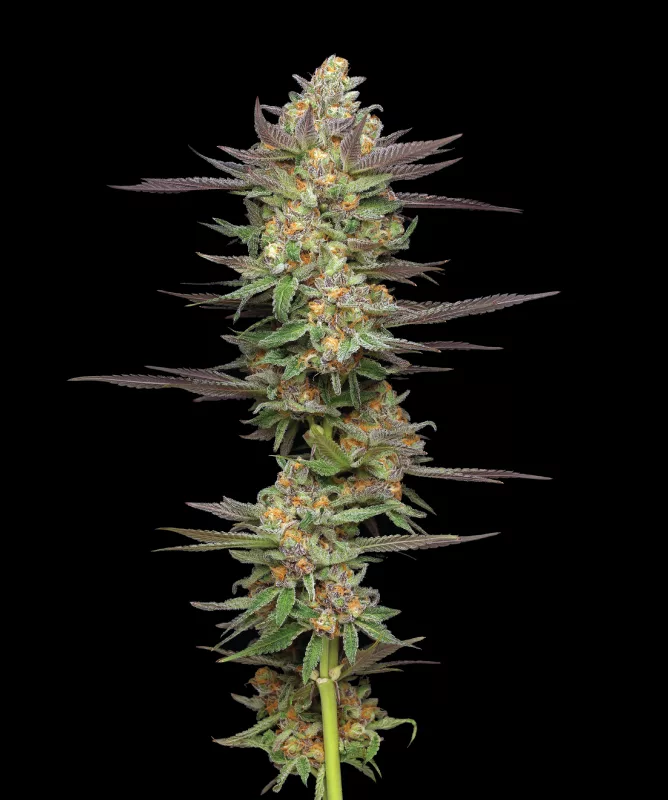
- Chicken n Wafflez, an indica-dominant hybrid with THC levels up to 30%, produces frosty purple colas with green mottling and yields up to a 3% return rate when washed.
- Limez is a hybrid with notes of lime and fizzy soda, featuring a powerful, uplifting effect that boosts creativity, along with washing returns over 3%.
- Purpz is a high-yielding purple strain with strong fuel terpenes, dense buds, and mold resistance, offering over 3% return on washing thanks to its rich resin content.
Dry Slower to Protect Flavor and Potency
To truly maximize the quality of your harvest, don’t cut corners during the drying and curing process. Skimping on these steps can leave your buds with an unpleasant smell and taste reminiscent of hay, without the terpene profile that makes them enjoyable and distinctive.

Cannabis plants hang-drying before curing.
“It’s too late to correct mistakes made during flowering, but it is never too late to improve the flavor and the high of your buds by implementing a controlled drying and curing process,” said Rosenthal. “The difference between drying 10 days and 14 days is not very evident to the novice, but creates a world of difference to the connoisseur.”
The drying stage begins the moment you cut down your plants and move them into a climate controlled room, and typically lasts 10 to 14 days, helping preserve a full-spectrum cannabinoid and terpene profile. This is the pivotal stage where you actively work to remove excess moisture and lingering chlorophyll. For best results, make precise adjustments and maintain optimal conditions, ensuring the air exchange system is finely calibrated to the desired volume.
“To achieve this rate of evaporation in the first three days, a temperature of 68°F (20°C) and a relative humidity of 55% will ensure that the buds reach roughly 30 to 40% water content,” said Rosenthal. “From this point on, the temperature should be lowered by a few degrees to 64°F (18°C). This allows the chlorophyll to decompose and the starches to be used up. If the buds dry too quickly, more chlorophyll will remain, and the smoke will be bitter.”
Let the Trichomes Tell You When to Harvest
Rather than relying solely on the flowering schedule, many growers recommend monitoring trichome development with a jeweler’s loupe or microscope, as harvest timing strongly affects the potency and terpene profile of the finished flower. Most growers tend to harvest too early, warns Ed Rosenthal, which can significantly diminish potency and flavor. He emphasizes that evaluation of the gland heads remains the only reliable standard for peak maturity.
A jeweler’s loupe is an essential cannabis growing tool for under $100.
“Pistils, the hair-like structures, do change color as plants mature, typically shifting from white to orange, red, or brown, said Rosenthal. “While pistil color can provide a general sense of flowering progression, it does not reliably indicate maturity. Milky trichomes indicate peak THC levels, while amber trichomes signal that THC is converting into CBN, producing more sedative effects. Most growers harvest when 80%-90% of trichomes are milky, and 5%-15% are amber.”

Cannabis trichomes (under 5x magnification) showing cloudy/milky and amber heads.
During the flowering period, you can observe the glands bulging, indicating maturity. These subtle changes serve as important visual cues, signaling that the crop is at its peak transition and ready for harvest, either turning amber or milky white. This specific point indicates that the resin gland heads have fully opaque trichomes, signaling peak THC levels and maximum psychoactive effects, ensuring an extremely potent and rewarding harvest.
Harvest in Stages
While some growers prefer to harvest cannabis plants and dry them whole, it is generally recommended to cut the large cola first, as it contains the most cannabinoids. After removing the main cola, growers can wait until the lower parts of the weed plant have fully matured. These lower sections are often concealed by the canopy and receive significantly less light, so monitoring them ensures a more complete, even harvest and helps increase potency and yield.
Large cannabis cola or top of a plant.
Cervantes recommends a staged harvest process, starting by plucking the colas first to give lower buds additional time to fully mature, which ultimately boosts the yield and potency.
“Harvesting in stages is highly advantageous for different strains that don’t mature at the same rate, allowing for more precise management. By collecting the mature upper buds first, you give the lower buds additional time to reach their full potential, which can result in an overall increase in yield and peak potency,” said Cervantes. “By staggering your harvest carefully, you can closely monitor the lower flower buds and gather them only when they’ve matured adequately.”
Try Bottom Feeding for Healthier Roots
DJ Short, a renowned American cannabis breeder, advocates the bottom-feeding method, which he details comprehensively in his article “The Art of Watering/Feeding.” Short emphasizes that this technique significantly simplifies watering large numbers of plants by placing their containers in watertight trays or pools, where nutrient solutions are poured directly, allowing plants to absorb what they need naturally over several hours to promote healthier growth.
Cannabis plant roots.
“This method serves the nutrient solution to the outside bottom of the medium container, allowing roots to absorb moisture efficiently through holes in the bottom,” said Short. “It takes the plants anywhere from an hour to a few hours to soak up all of the moisture.”
However, when watering plants, consider not only the amount of water but also the nutrient content. The root zone needs a proper balance of water and air to ensure plants receive nutrients without oversaturating the soil. Checking the soil a few hours after watering helps determine whether more nutrients are needed or whether to drain excess solution. Using half the advised amount of fertilizer is recommended to avoid any nutrient burn or crop damage.
Short emphasized that the main consideration in plant feeding is the concentration of fertilizers in the solution. He underscored that a minimalist approach, embodying the principle “less is more,” is essential when fertilizing plants. Using too little fertilizer typically results in a modest decrease in yield, whereas excessive fertilization risks damaging or destroying the entire crop. Therefore, precise regulation of fertilizer amounts is fundamental to ensure healthy growth.
Prevent Pests Before They Become a Problem
For home-growers, diligent, regular inspections are essential to catch insects, eggs, and signs of disease early. Taking preventive steps, such as keeping your grow area spotless, quarantining new plants, using sticky traps, and introducing beneficial insects when needed, can significantly reduce the risk of severe infestations. Proactive care not only protects your plants but also saves time and effort by preventing minor pest issues from becoming major problems.
Aphids on a cannabis plant bud or flower.
Jorge Cervantes is an American horticulturist, publisher, and award-winning author specializing in cultivating cannabis indoors, outdoors, and in greenhouses. He has consistently promoted integrated pest management, highlighting its significance in his cannabis grow book Marijuana Horticulture. Cervantes recommends a proactive strategy that integrates sanitation, environmental controls, and biological methods rather than relying solely on harmful chemical-based foliar sprays.
“Regularly inspecting plants for pests and diseases is crucial, as caterpillars, spider mites, thrips, and other pests can invade a garden unnoticed,” said Jorge Cervantes.
At the Sensi Seeds breeding facility in the Netherlands, veteran breeder John Bruins relied on the natural power of predatory mites to safeguard his plants. He utilized Neoseiulus californicus, a beneficial mite that actively targets harmful spider mites and broad mites, thriving in warm temperatures and tolerating low humidity. Additionally, Amblyseius swirskii is a fierce defender against thrips and whiteflies, making these tiny allies invaluable in organic pest management.
Prune for Better Airflow, Light, and Bud Growth
Regular pruning can simplify maintenance by making the plant easier to monitor and encouraging healthier growth. Remove dead, damaged, or heavily shaded leaves, as well as lower growth that receives minimal light. Carefully pruning these less healthy or overlooked parts of the plant promotes better airflow, reducing the risk of disease and humidity buildup. It also directs the plant’s energy toward developing healthy, productive buds and new growth.
“Pruning techniques such as topping, low-stress training (LST), and defoliation offer numerous benefits to the cannabis plant during the vegetative growth stage,” said Cervantes.
He also emphasized that innovative pruning methods such as topping, low-stress training, and defoliation can significantly enhance cannabis plant development during the vegetative stage.
According to Cervantes, topping a cannabis plant promotes vigorous lower-branch growth by increasing its access to vital growth hormones. This process encourages faster growth toward the light source and boosts yield.
Label Everything and Track Your Results
Proper labeling is fundamental for maintaining plant identities and ensuring precise tracking of parental lineages. When cultivating multiple plants, disorganized record-keeping or inconsistent appearances can lead to the loss of vital genetic information.
During the 1980s and 1990s in the Netherlands, poor organization led to the loss of many valuable skunk and haze lineages. To safeguard your strains, always make sure to label your plants and extracts clearly and systematically.

Three grades of ice water hash on a tray with parchment paper.
In an old Cannabis Culture interview, Rosenthal passionately highlighted the important role of meticulous labeling in cultivation. He explained that the best way to maximize your results is to label all plants carefully and comprehensively. By labeling everything diligently, growers can easily identify which clones correspond to each flowering plant, ensuring better organization, accurate tracking, and greater success throughout the cultivation process, year after year.
For home-growers, accurate labeling of bubble hash by micron grade ensures quality and consistency. Cultivators can prevent mix-ups and ensure they select the correct strain by clearly labeling each micron size before freeze-drying. Smaller-micron bags yield premium hash with rich flavor and clean melting qualities, while larger-micron bags contain bigger but lower-grade trichomes. Proper labeling improves the entire process and helps ensure a high-quality product.
Start With Proven, Reliable Genetics
The quality of your seeds or clones plays a fundamental role in determining your plants’ success. To maximize this potential, buy seeds from reputable breeders with a proven track record of quality and consistency.
Without consistency, the value of your breeding efforts diminishes significantly over time. For example, when you develop and stabilize a new hybrid strain, it is fundamental that each individual plantlet reliably expresses its characteristic traits. For strains like Pineapple Muffin or Blueberry Muffin, this means consistently producing a distinct pineapple or blueberry aroma in every plant, ensuring the strain maintains its unique terpene profile and appeal to home growers worldwide.
During a conversation with Nat Pennington, CEO of Humboldt Seed Co., I learned how they built their success over decades with unwavering reliability. Home growers trust their genetics for consistently high quality and unique, eye-catching terpene profiles that set them apart from multiple competitors. This long-term commitment to excellence also strengthens their reputation in the industry, showing how dependability and quality genetics drive growth and loyalty.
Discover more expert home-grow hacks on the blog and start improving your gardening skills today!
Get the Best Tips & Tricks


About the Author: Mark Smith