

How Do Breeders Turn Your Favorite Cannabis Strains Into Autoflowers?
You’ve probably seen autoflower versions of familiar strains and wondered: How do breeders actually turn a photoperiod strain into an autoflower?
Modern autoflower breeding makes it possible to take many of the characteristics we love about an existing photoperiod cultivar (its terpene profile, potency, structure, resin production and yield) and combine them with genetics that flower automatically. But it doesn’t happen in a single cross. This article guides you through the breeding process and explains how we can transform any photoperiod cultivar into a modern autoflower over successive generations.
Where Does the Autoflowering Trait Come From?
The autoflower trait is a recessive gene found in wild Cannabis ruderalis, a subspecies of Cannabis sativa, that evolved in harsh environments. This type of cannabis plant does not rely on reduced daylight to trigger maturation. Instead they automatically flower after a certain amount of time or if they encounter stress.
Early autoflowers were created by bringing this naturally occurring flowering characteristic into photoperiod cannabis. Today, breeders have access to highly developed autoflower genetics, which means they don’t have to start with wild ruderalis-type plants. Instead, they can cross an established autoflower breeding line with the photoperiod cultivar they want to recreate.
Cross Your Favorite Photoperiod Strain With an Autoflower

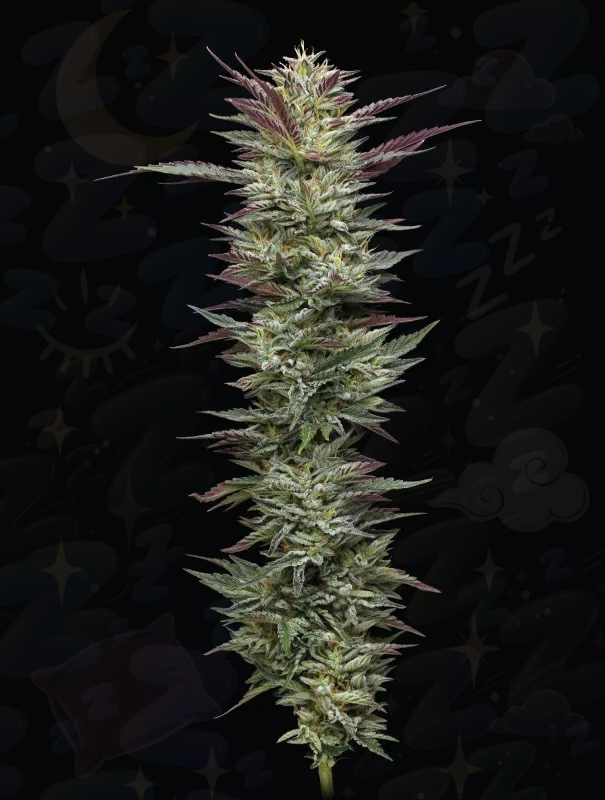
Caramel Cream
We created an Caramel Cream autoflower version of our 2018 Phenotype Mega-Hunt winner Caramel Cream, by crossing it with a stabilized autoflower genetic. By crossing the photoperiod genetic with autoflower, we are introducing the autoflower trait into the offspring. It takes several generations to stabilize this trait into the photoperiod cultivar. We begin by sifting through the first generation, known as the segregating population.
Step 1: Hunt Through a Segregating Population
One of Humboldt’s many heterozygous autoflower breeding chambers.
A segregating population is a group of offspring that express different combinations of traits inherited from their parents. In this case, some plants inherited the autoflowering trait while others did not. Among the autoflower group, we can further select plants that most closely resemble the original Caramel Cream. This variation allows us to hunt through the population and select plants with the specific combination of traits we want to see.
Step 2: Find the Plants That Inherited Autoflowering
We can determine which offspring inherited the autoflowering trait by growing the seeds out in a greenhouse where the lighting remains consistent. The plants that begin to enter the flowering stage are the ones that inherited the autoflowering trait. Just because they inherit this trait does not mean they are going to inherit the other characteristics we want, such as terpene profile or nose, bud structure, and color.
Step 3: Find the Autos That Look Like the Original Strain

Among the plants that inherit the autoflowering trait, we then hunt for those that most closely resemble the original Caramel Cream. This means evaluating each plant for desirable characteristics such as aroma and terpene expression, cannabinoid production and potency, resin production, flower structure, plant morphology, vigor, yield, color, and other traits that define the cultivar. At this stage, simply finding a plant that autoflowers isn’t enough. We are selecting for two things simultaneously: plants that reliably autoflower and plants that retain the characteristics that made Caramel Cream desirable in the first place. This doesn’t happen in a single generation, so we begin the breeding process again.
Step 5: Breed the Best Autoflowers Together
Once we’ve identified the autoflowering plants that best represent the original Caramel Cream, the next step is to breed those selections together. Selected female plants can be treated with silver thiosulfate to induce the production of male flowers and pollen, which is then used to pollinate other selected females that have also inherited the autoflowering trait. Crossing these carefully selected plants produces the next generation of offspring and another opportunity to hunt for the desired traits. With each generation, we can continue narrowing the population toward plants that reliably autoflower while more closely expressing the characteristics of the selected photoperiod cultivar.
Step 6: Repeat the Process Generation After Generation
Creating an autoflower version of a photoperiod strain takes multiple generations. Each new generation, or progeny, gives us another opportunity to select plants that give us the characteristics we want. The best plants are selected and bred again, and their offspring are grown out and evaluated for the same desirable traits.
Repeating this process generation after generation allows us to hone in on the desired expression while making those traits more consistent throughout the population. Over time, the autoflowering trait becomes reliably established alongside the other characteristics we want to preserve from the photoperiod strain. Eventually giving us an autoflower version of the photoperiod we started with.
How Long Does It Take to Turn a Photoperiod Into an Autoflower?
A photoperiod strain can be turned into an autoflower strain in around five generations, but that doesn’t mean it’s a quick process. It can take months of breeding and thousands of plants to find and stabilize the right combination of traits. The exact timeline depends on the genetics, population size, and goals of the breeding program.
Is the Autoflower Version the Same as the Original Strain?
Not exactly, introducing autoflower genetics creates something genetically new. The goal isn’t to make an exact copy, but to create an autoflower that closely expresses the defining characteristics of the original strain. This is why careful selection matters; you want the convenience of autoflowering without losing what made the original strain special.
Can Any Photoperiod Strain Be Turned Into an Autoflower?
Established autoflower genetics can be crossed with almost any photoperiod strain, but some cultivars will be easier to recreate than others. The real challenge is developing a stable autoflower that still delivers the traits growers expect from the original. This is achieved through generations of selecting and breeding for the desired qualities.
Turning a photoperiod strain into an autoflower isn’t simply about producing plants that flower without a change in light cycle. The real work is preserving what made the original strain worth growing in the first place. With the Caramel Cream strain we wanted to make sure we kept the unique gassy, sweet, and salty flavor, alongside the ease of growing, high THC, and pest resistance. Through this process, we have accomplished our goals.

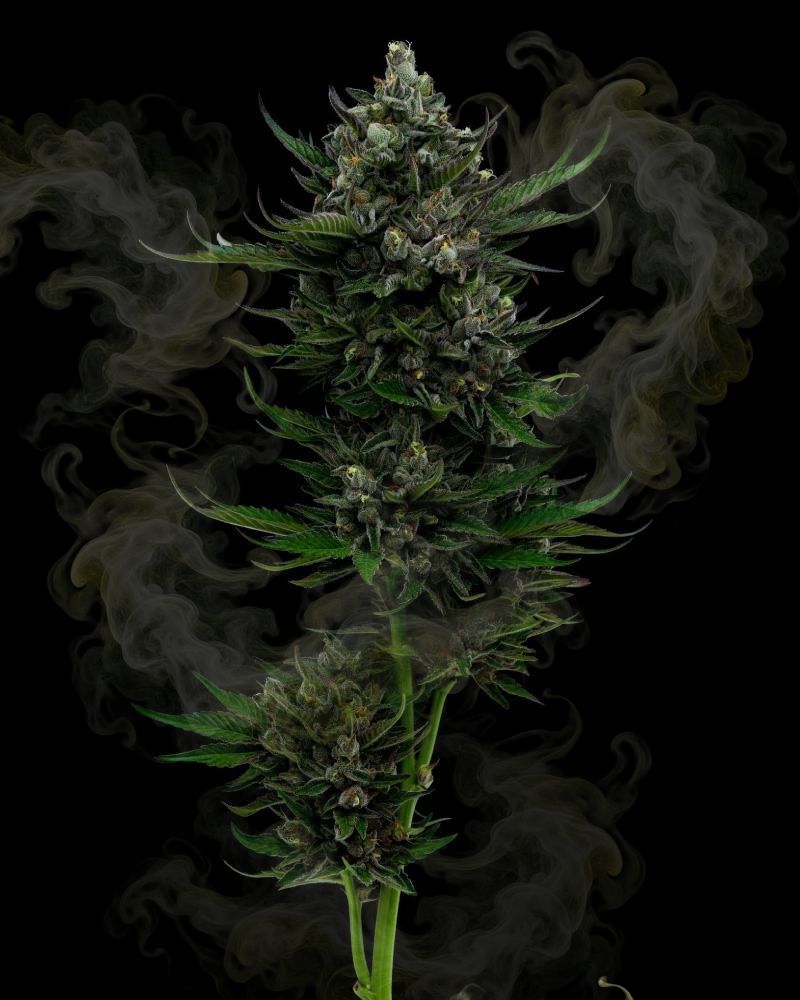
Haze Dawg Autoflower cannabis strain.
Get the Best Tips & Tricks


About the Author: Alexandria Irons