

The Great Humboldt Phenohunt: Hunting for The Next Unicorn
Humboldt Seed Company’s 2025 Pheno Hunt for Washers was not just about finding the next beautiful flower. It was a journey through Northern California’s cannabis epicenter to identify plants whose resin could stand up to the real test: ice-water, screens, and pressure.
Not every frosty cannabis flower is a good washer.
That was one of the central lessons behind Humboldt Seed Company’s 2025 Pheno Hunt for Washers. In a market where cannabis is often judged by visual appeal, dense buds, and glittering trichomes, this hunt shifted attention toward something more technical and more revealing: how the resin behaves after harvest.
For hashmakers, beauty in the field is only the beginning. A plant can look spectacular, smell loud, and test high, yet still fail once it is washed. Some resin does not separate cleanly. Some trichomes stay locked to the plant material. Some terpene profiles fade during the process. The best washers have to do more than impress the eye. They have to perform in ice-water, on the screens, and under the press.
That was the focus of the 2025 hunt: finding cannabis plants with the structure, aroma, and resin quality needed for high-end solventless hash.
What is a Pheno Hunt?
A pheno hunt is the process of growing a large population of plants from seed and selecting the individuals that express the most desirable traits. In a flower-focused hunt, breeders might look for aroma, vigor, flower structure, yield, color, potency, disease-resistance, and overall bag-appeal.
A washer hunt uses a different lens.
The question is not simply which plant looks best. It is which plant produces resin that releases, collects, and presses well. Trichome density matters, but it’s not the whole story. The size and structure of the resin heads, the way they detach from the flower, the preservation of terpenes, and the final quality of the hash all matter just as much.

Capitate-stalked trichomes under magnification.
That is why Humboldt Seed Company’s 2025 Pheno Hunt was more than a walk through beautiful gardens. Across Northern California, the team evaluated plants in the field, tested samples in jars, visited hash-labs, and followed the resin from living flower to water-hash and rosin.
The event brought together farmers, breeders, hashmakers, journalists, and cannabis-culture figures. But at its core, the hunt was about one thing: identifying plants that could move from field to freezer to washroom without losing what made them special.
The Real Meaning of a Washer
A washer is a cannabis plant that performs well in solventless extraction, especially in ice-water hash and rosin-production. The term comes from the process of washing cannabis material in cold water to separate the resin heads from the plant material.
But not every resinous plant is a good washer.
Some plants look covered in frost but produce disappointing results once they are processed for hash. Others may not be the loudest plants in the field, but their resin separates beautifully and carries a strong terpene profile into the final product. For hashmakers, those details matter more than appearance alone.
A strong washer needs resin heads that detach cleanly, hold their structure during washing, collect well on the screens, and preserve aroma through drying and pressing. The final rosin should still express the character of the living plant. If the flower smells incredible in the field but loses its identity after washing, it has failed one of the most important tests.
This is why washer-breeding has become its own discipline. The best hash cultivars are not selected only by sight or smell. They have to prove themselves through actual extraction.

Anchor Farm: Where the Hunt Began
The 2025 hunt began on Nat Pennington’s HSC Anchor Farm near Orleans in Humboldt County. It was a fitting starting point. Participants received field-kits with tools such as loupes, tweezers, and rating-sheets before moving into the fields. The goal was not only to admire the crop, but to examine it closely. Structure, aroma and resin coverage mattered, but the real test came through the jar method explained by HSC co-owner Benjamin Lind.
Fresh flower samples were placed in ice-water, shaken, and allowed to settle. The resin that collected at the bottom of the jar gave an early indication of whether a plant might be worth pursuing as a washer. It was a simple method, but an important one. In a large field, breeders need fast ways to separate visual hype from real hash-potential.

At the Anchor Farm, the hunt was already framed around a basic truth of solventless-breeding. The flower may make the first impression, but the resin gives the answer.
From the Field to the Hash-Lab
The next phase took the group from the farm into the extraction side of the equation. At Errl Hill Hash Lab in Arcata, participants observed large-scale washing and extraction work. This mattered because washer selection cannot be judged only while the plant is still standing in the field.

A cultivar that looks promising outdoors still has to prove itself after harvest. It has to separate cleanly, produce meaningful return and carry its flavor into the final hash or rosin. Seeing the process at scale connected the breeding-work directly to the demands of the hashmaker.
The group also visited Humboldt Seed Company’s headquarters in Eureka, where the story widened from individual plants to the company’s broader breeding-program and its roots in the Emerald Triangle. The region has long been associated with sungrown cultivation, but this hunt showed how that legacy is being adapted to a more specialized market.
Black Bear Farms and the Scale of Selection
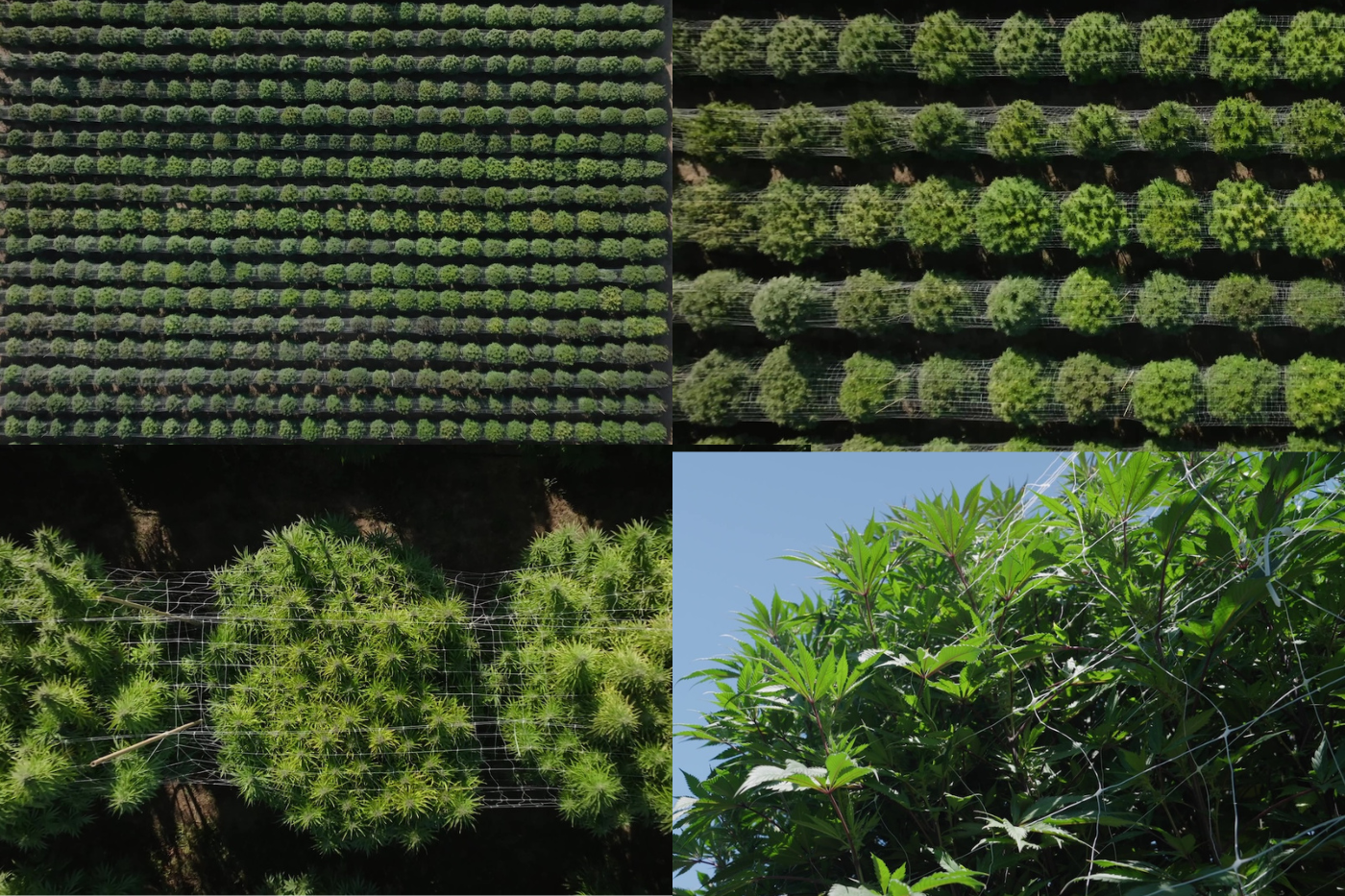
At Black Bear Farms, the scale of the hunt became impossible to ignore. Thousands of plants stretched across the farm, showing what large-population selection looks like in practice.
This is where the word “unicorn” becomes more meaningful. In cannabis marketing, unicorn is often used loosely for any rare or attractive cultivar. But in a real pheno hunt, rarity is mathematical. The more plants you see, the more clearly you understand how unusual a truly exceptional phenotype is.
A great washer has to combine traits that do not always appear together. It needs field-performance, resin-production, clean separation, strong aroma and final-product quality. Finding that combination requires more than luck. It requires population-size, trained eyes and repeated testing.
The visit to Black Bear Farms showed that pheno hunting is not a romantic stroll through a garden. It’s a numbers game, a field-test and a long process of elimination.
Casa Flor and the Craft-Farming Context
The hunt later moved through Casa Flor Family Farm in Willits, where the focus shifted toward family-farming, soil-care and the realities of outdoor cultivation.
That context matters. Washer-breeding is technical, but it is still agriculture. The best genetics are only useful if they can be grown reliably by farmers. They have to make sense in living soil, under changing weather patterns and within the economics of real farms.
A plant that performs well in one controlled setting is interesting. A plant that can express desirable resin traits while also growing with vigor outdoors is far more valuable. For small farms, that distinction can decide whether a cultivar is practical or merely exciting on paper.
In that way, Casa Flor added another layer to the hunt. The search was not just for a plant that could wash well in theory. It was for genetics that could exist inside the larger ecosystem of craft-cannabis farming.
The Culture Around the Plant
The 2025 Pheno Hunt was also a reminder that cannabis in Northern California cannot be separated from culture. The historic Skunk Train near Willits became one of the most memorable stops of the week. With the Mendo Dope Boys performing onboard, the event moved from fieldwork into celebration.
That may sound like a side note, but it is part of the story. Humboldt and Mendocino cannabis culture has always been shaped by more than cultivation technique. It includes music, family farms, outlaw history, back-to-the-land values, local food, legacy growers, and a community that carried the plant through decades of prohibition.
Modern breeding often talks in the language of data, yield, and market-demand. The Emerald Triangle adds something else: memory. That memory matters because the next generation of genetics is not being developed in a vacuum. It’s being shaped by people who understand the history behind the plant and the pressure on the farmers who still grow it.
Satellite Farm: Where Resin Had to Prove Itself
At Benjamin Lind’s Satellite Farm in Grass Valley, the hunt moved deeper into the solventless process. A full water-hash run and rosin-press session gave participants a direct look at how selected material performed beyond the field.

Cannabis in an ice water bath for bubble hash production.
This is the point where a washer hunt becomes different from a standard flower evaluation. In the field, people can disagree about aroma, structure, and appearance. But once the material is washed and pressed, the plant has fewer places to hide. The resin either separates or it does not. The rosin either carries the terpene profile forward or it loses the character that made the plant interesting in the first place.
Satellite Farm also brought the sensory side of the process into focus. Participants distilled terpenes from freshly harvested plants, capturing the aromatic essence of selected cultivars. It was theatrical, but it also made a serious point. Terpenes are not just marketing language. They are fragile compounds that help define a cultivar’s identity. In the solventless world, preserving that identity through washing, drying and pressing is one of the main goals.
Wild Leaf Farms and the Final Impression
The final farm stop was Wild Leaf Farms, where the group moved through the garden by hay wagon and continued evaluating phenotypes in the field. By that point, the shape of the hunt had become clear.
The 2025 event was not about declaring a single instant champion with exaggerated THC figures or inflated return claims. It was about narrowing the field, identifying promising directions, and understanding which plants deserved further work.
That distinction is important. Cannabis genetics do not become legendary because they perform well in one moment. They have to prove themselves over repeated runs, across different growers, different environments, and different extraction processes.
By the end of the hunt, the idea of the “next unicorn” felt less like a marketing slogan and more like a challenge. A true unicorn has to satisfy the farmer, the breeder, the hashmaker, and the consumer. It has to grow well, smell right, separate cleanly and carry its identity into the final product.
Orange Creampop, Puff Pastry, and Honey Bear
While the hunt was not about crowning a single instant winner, several genetics stood out as part of Humboldt Seed Company’s washer-focused breeding conversation. Instead of treating them as finished legends, it is more accurate to see them as candidates in a longer selection process.

Orange Creampop cannabis strain.
Orange Creampop represents the citrus-dessert side of the hunt. With its bright orange profile and creamy sweetness, it fits into a modern flavor-lane that has become increasingly important in both flower and solventless markets. For a washer candidate, that terpene identity only matters if it survives the process. The question is not simply whether the plant smells loud in the field, but whether that citrus-cream character carries through into water-hash and rosin.

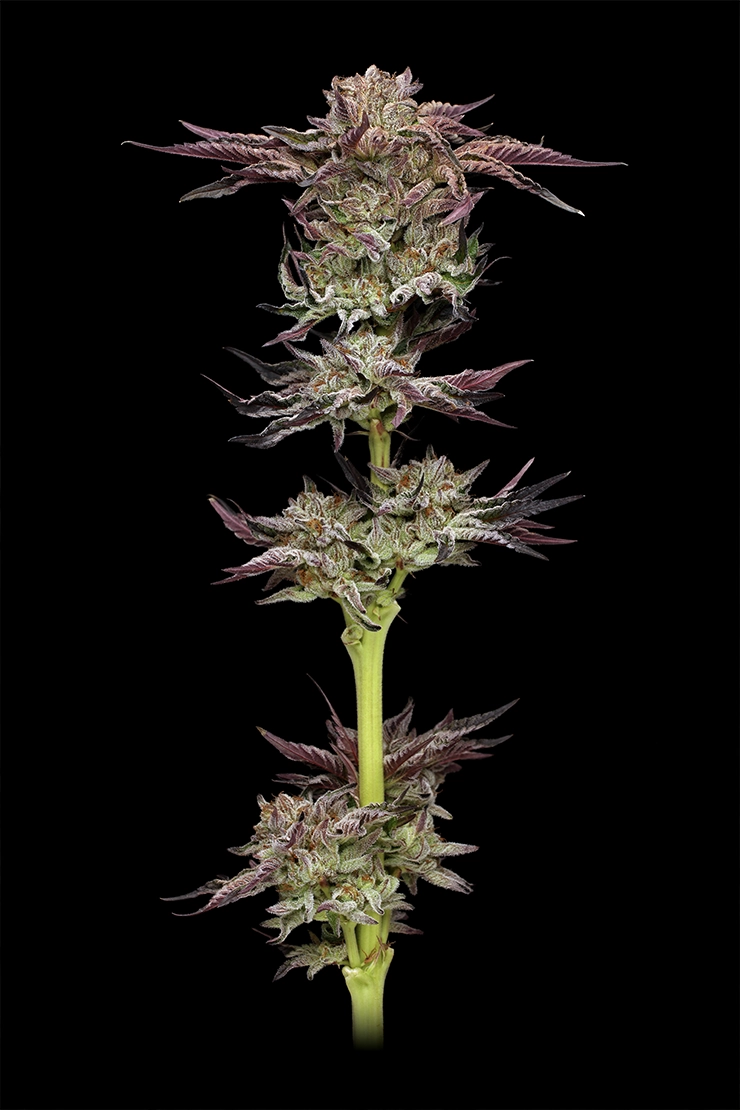
Puff Pastry top cola.
Puff Pastry moves in a richer direction. Its appeal is tied to a baked-goods profile, the kind of sweet, spiced, and doughy expression that can translate beautifully in rosin if the resin structure is there. In a market crowded with generic dessert strains, the real value of a cultivar like Puff Pastry depends on whether it offers both recognizable flavor and reliable extraction-performance.

Honey Bear cannabis strain.
Honey Bear may be the most interesting of the three from a washer-breeding perspective. Its background connects tropical fruit, honeyed sweetness and dessert-like depth, creating a profile built around papaya, banana, honey, and honeycomb notes. But its real significance is not only in the flavor. Honey Bear stands out because it appears to connect that sweet tropical identity with the kind of resin behavior hashmakers actually look for.
Jeffrey from The Press Club described Honey Bear and Blueberry Honey as performing especially well during the test wash, noting their vibrant, sweet, and fruity essence along with the sandy texture of the cuticles when the trichomes were rolled between the fingers. That detail matters. For hashmakers, texture is not cosmetic. It can be a clue to how the resin will release, collect, and behave during washing.
In other words, Honey Bear is not only attractive because of its flavor story. It is attractive because it appears to connect that flavor story with physical resin traits that matter in solventless-production.
Why the Bad Washer Problem Matters
For growers, poor washer performance can be expensive. A plant that looks excellent in the field may create false expectations. If it does not wash well, the result can be disappointing yields, lost labor, and lower value in the final product.
That is why washer selection has become so important before scaling a cultivar. A true hash cultivar needs to work for the entire chain. The farmer has to grow it successfully. The hashmaker has to extract it efficiently. The rosin has to express the cultivar’s identity. The consumer has to recognize the quality.
If one part of that chain fails, the genetics may not be commercially viable, no matter how good the flower looked before harvest.
This is also why the annual Pheno Hunt matters beyond Humboldt Seed Company itself. It reflects a larger change in the cannabis market. Solventless hash has pushed breeders to think beyond flower appeal and ask harder questions about resin architecture, extraction behavior, and post-harvest performance.
The best flower is not always the best hash plant. And the best hash plant may not always be the one that wins at first glance.
The Future Is in the Wash
The cannabis industry loves the idea of the unicorn: the rare plant that seems to have everything. But in a washer-focused world, the definition changes.
A unicorn is not just colorful, potent, and loud in the jar. It is not just covered in frost. A real washer unicorn has to perform under pressure. It has to release resin cleanly in ice-water. It has to retain aroma through the wash. It has to produce hash with desirable texture and melt. It has to press into rosin that still carries the soul of the plant.
The 2025 hunt did not suggest that the future of cannabis breeding belongs to one single cultivar. Instead, it showed how different flavor families and resin structures are being tested against the same standard. Orange Creampop brings citrus-cream appeal. Puff Pastry brings a bakery-style dessert profile. Honey Bear brings tropical sweetness, honeyed depth, and the kind of resin behavior that makes hashmakers pay attention.
Humboldt Seed Company’s 2025 Pheno Hunt for Washers showed where cannabis breeding is heading. The next generation of standout cultivars will not be judged only by how they photograph in the field or how high their THC-numbers climb. They will be judged by performance.
The next great Humboldt cultivar may still begin as a plant in living soil under the Northern California sun. But it may not reveal its true value until much later, in cold water, on a screen, under pressure and finally in the resin itself.
Get the Best Tips & Tricks


About the Author: HumboldtSeedCompany