

Top 10 Common Mistakes for Beginners in Cannabis Cultivation
If you’ve recently just purchased your first seed pack and are eager to start your cannabis cultivation journey, this quick hits guide is specifically for you. It highlights ten common gardening mistakes beginners make when growing cannabis plants at home. The guide also provides detailed, effective strategies and practical tips to help you avoid these pitfalls, ensuring a smoother, more successful start to growing healthy, high-yielding cannabis plants every time.
Overwatering
Many plant enthusiasts often overwater their cannabis plants, a common error that can have detrimental effects. This misconception often stems from uncertainty about the amount of water actually needed and the belief that increased hydration promotes healthier growth. Such practices can impair aeration, leading to oxygen deficiency and plant stress. Consequently, this weakens the plant and damages its root system, ultimately impeding overall growth.

Signs of overwatering include yellowing leaves and root rot, which indicate that the plant’s roots are suffocating and decaying due to excess moisture in the medium. To prevent this, establish a consistent watering schedule and check soil moisture before watering. Using a simple test, such as inserting your index finger about one inch into the soil and checking whether it’s moist, can help determine whether watering is needed and avoid overwatering.
Light Requirements
A common mistake in indoor horticulture is the improper placement of grow lights. Typically, illumination sources should be positioned between 12 and 24 inches above the plants’ apical canopies. However, this parameter may vary with light intensity and the growth stage. When lights are positioned too high above the plants, they can experience etiolation, characterized by elongated stems and pale leaves, compromising their structural stability.
Placing grow lights too close to your plants can cause heat stress, leading to singed fan leaf tips, dehydration, and damage to plant tissue. Additionally, intense heat and light stress can hinder the plant’s ability to produce and retain vital compounds such as cannabinoids and terpenes, which are essential to its potency and aroma. To prevent these issues, it is important to maintain an appropriate distance between the lights and the plants.
Ignoring pH Levels
When soil or nutrient solution pH falls outside the optimal range, certain nutrients become less soluble and harder for plants to absorb, leading to unwanted deficiencies that can hinder development. The optimal soil pH range is generally 5.8-6.5, providing a balanced environment for nutrient availability. In hydroponic systems, maintaining a pH between 5.5 and 6.5 is essential to ensure nutrients remain available and plants thrive.

Image: Heinrich-Boll-Stiftung
Impaired nutrient absorption caused by improper pH levels can lead to a range of health problems in plants. These include stunted growth, yellowing (chlorosis), poor root development, and significantly reduced crop yields. The impact of pH imbalance becomes even more pronounced in hydroponic systems, where nutrient solutions are applied directly to the roots, and imbalances can develop more rapidly due to the absence of soil buffering.
Rushing the Germination Process
Beginners often get excited about planting, and this enthusiasm can lead to premature germination. Hasty planting without understanding the right environmental parameters or timing can cause seeds to sprout too early. This impatience can disrupt germination and hinder seedling growth, resulting in weak, underdeveloped seedlings. To prevent this, follow our recommended technique and, most importantly, be patient to ensure healthy plantlets.
To improve your success rate, start by placing your cannabis seeds between two sheets of moist paper towels, leaving at least an inch between each seed. Then, cover the towels with two plates to create a controlled microenvironment. Keep the plates in a warm, dark place to promote germination, and keep the towels consistently damp but not soaked, adding water as needed to maintain moisture. In general, the taproot will typically appear within 72 hours.
Not Keeping a Grow Diary
While some may deem it unnecessary, closely monitoring your progress throughout your own cultivation cycle is highly recommended. This diligent practice enables you to observe and document the plant’s development in real time, ensuring you remain informed about critical growth stages, including leaf expansion, increases in plant height, internodal spacing, and bud density, thereby fostering a more efficient and successful cultivation process.
Without proper documentation, such as neglecting to take notes on your growth progress, troubleshooting becomes even more challenging and time-consuming, often relying on guesswork rather than data-driven insights. Maintaining comprehensive records of each observation, environmental conditions, nutrient adjustments, and other variables is essential for identifying the most effective techniques and pinpointing areas requiring improvement.
Choosing the Wrong Strain
With a wide variety of captivating strain names on the market, many beginners may be drawn to well-known, recognizable strains, often without taking the time to evaluate whether these varieties are suitable for their skill set and available growing conditions. This tendency can sometimes lead to mismatched expectations or challenges during the growing process, especially for those just starting out.

Jelly Donutz
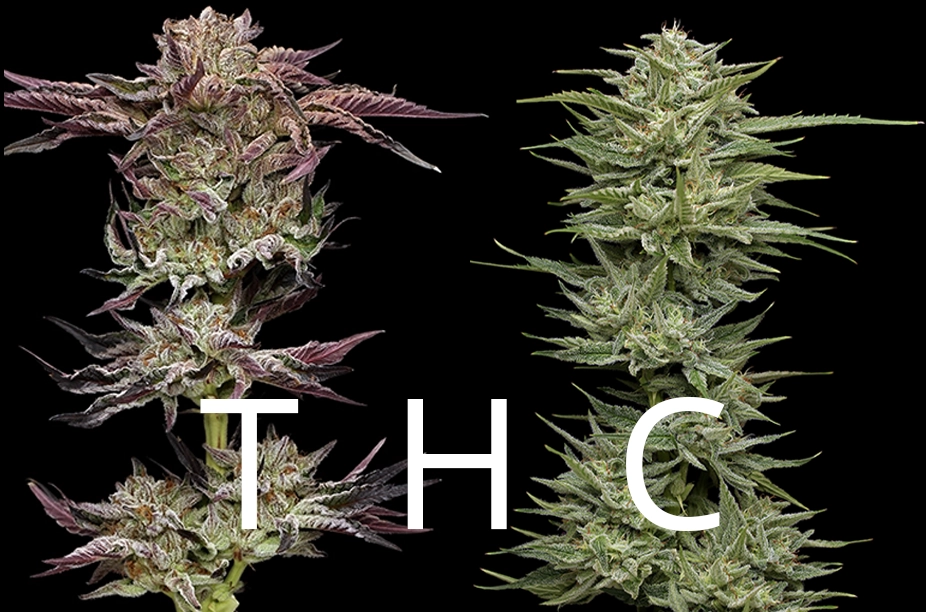
The result is that your plants may underperform, develop problems, and discourage new growers. It is recommended to prioritize beginner-friendly feminized or autoflower strains. Cannabis hybrids such as Blueberry Muffin or Jelly Donut Autoflower are well known for their forgiving nature and ease of cultivation. These strains generally require less maintenance, offer greater resistance to common issues, making them ideal choices for novice growers.
Overlooking Nutrients
Beginners often underestimate the importance of feeding their plants and the vital role nutrients play in promoting healthy plant growth. This oversight can lead to a variety of errors, such as overfertilization or inadequate feeding, which may cause yellowing leaves or stunted growth. Recognizing these signs early is crucial for maintaining plant health and enabling timely adjustments to nutrient schedules tailored to each plant’s specific needs.

Yellow cannabis leaf.
Understanding how to read fertilizer labels can also make a significant difference. Labels typically display the ratio of nitrogen, phosphorus, and potassium, which are key to various growth stages. Learning to interpret these labels allows gardeners to provide the appropriate nutrients at the right time, promoting vigorous growth and preventing deficiencies. With proper knowledge and consistent care, even beginners can cultivate healthy, thriving plants.
Neglecting Pest Management
First-time growers frequently overlook the importance of pest management during the initial stages of cultivation. Many underestimate how quickly pests can establish themselves and spread, assuming there will be ample time to address any issues that arise. However, outbreaks can quickly escalate into severe infestations if not detected early, underscoring the need for proactive monitoring and integrated pest management to ensure healthy plants.

Aphids on a cannabis plant bud or flower.
To avoid these outcomes, growers should prioritize early prevention strategies. They can implement integrated pest management (IPM) by regularly inspecting plants and deploying predatory mites such as Amblyseius Swirskii and Neoseiulus Californicus, which help control unwanted spider mite and thrips infestations. These beneficial mites are often released in slow-release sachets, ensuring continuous dispersal into the grow area over several weeks.
Inadequate Airflow and Humidity
Beginner growers often underestimate the importance of airflow and humidity management in their indoor cultivation spaces. Without adequate airflow, stale air can cause heat buildup and excess moisture, creating conditions that favor mold growth. Similarly, excessive or insufficient humidity can impair plant growth and overall health. For example, high humidity promotes mold development, while low humidity can lead to dehydration and limited growth.
To prevent these issues, it is recommended to install exhaust and oscillating fans, along with high-efficiency air filtration systems, to ensure continuous air exchange and minimize moisture buildup. The ideal conditions for cannabis cultivation include well-ventilated indoor environments with relative humidity maintained between 40% and 60% and temperatures consistently between 70°F and 75°F (21°C to 22°C), which reduces the risk of mold growth.
Harvesting Too Soon or Too Late
Many beginners make the common mistake of not knowing the perfect time to harvest their plants, which results in below-average yields and less flavorful buds. Key indicators to watch for include leaf yellowing (senescence), particularly at the base of the plant. This yellowing indicates that the plant is approaching the end of its life cycle and that it may be time to harvest to ensure the best quality and maximum yield.

Cannabis trichomes under 5x magnification show many cloudy or milky heads with some amber.
It is highly recommended to examine trichomes with a jeweler’s loupe or a microscope. Ideally, the grower should look for approximately 70% of the trichomes to be cloudy or milky, signifying peak potency, and around 30% to be beginning to turn amber, indicating the beginning of cannabinoid degradation. Failing to observe these specific indicators, or harvesting too early or too late, can significantly affect the overall quality of your harvest.
Cultivating Patience as a Virtue
Embarking on your first grow can be challenging, but understanding common mistakes is the first major step to success. Remember that errors are part of the learning process, and these setbacks provide valuable lessons for your next cultivation cycle. As always, patience and perseverance will lead to better results, so keep progressing, stay resilient, and before you know it, you’ll be ready to harvest your own high-quality, professional-grade cannabis buds!
Get the Best Tips & Tricks


About the Author: Mark Smith