Plants Toxic to Pets: What to Avoid and What Is Safe
As gardeners and plant parents, we’re often thinking about soil health, biodiversity, and yield. But if you share your space with a furry friend (or a curious toddler), plant safety matters just as much as plant vigor.

This guide covers plants toxic to cats, plants toxic to dogs, and other species that may roam your homestead. It highlights the most common concerns in gardens and homes, including cannabis and several companion plants you may already be growing. We’ll also cover which garden seeds are generally considered safer choices and how to design a garden that supports both your ecosystem and your animals.
4 most common toxic plants for cats
Cats are curious by nature, and as the saying goes, “curiosity killed the cat.” They may nibble leaves and chew stems. Unfortunately, their bodies are also extremely sensitive to certain plant compounds.

Many plants poisonous to cats contain alkaloids, glycosides, or essential oils that a feline liver struggles to process. Young kittens are at the highest risk because they are more likely to chew on unfamiliar plants and their bodies are still developing.
Below are some of the most common plants toxic to cats that pet owners should know about.
Lily
The lily family is one of the most dangerous plant groups for cats. Even small exposures (like licking pollen or drinking water from a vase) can cause acute kidney failure. Because of their extreme toxicity, lilies are often at the top of every list of plants poisonous to cats.
Aloe Vera
Aloe vera is a popular medicinal houseplant, but it contains saponins and anthraquinones that can irritate a cat’s digestive system. Cats that chew aloe leaves may experience vomiting, diarrhea, or lethargy. While aloe is often marketed as a healing plant for humans, it is not considered one of the cat safe house plants.
Sago Palm
The sago palm is extremely toxic to both cats and dogs. All parts of the plant contain cycasin, but the seeds are the most dangerous. Even small exposures can lead to liver failure, making this one of the most serious poisonous plants commonly found in homes and landscapes. If you’re looking for cat safe plants, avoid sago palm.
Pothos
Pothos is a very common indoor houseplant, but it contains calcium oxalate crystals. When chewed, these microscopic crystals irritate the mouth and digestive tract. Symptoms can include drooling, pawing at the mouth, and vomiting. Pothos are definitely a threat to your feline friend.

5 most common toxic plants for dogs
Dogs approach plants differently from cats. Instead of nibbling leaves occasionally, many dogs will chew large quantities of vegetation, especially puppies that explore the world with their mouths.

Because of this behavior, canine poisonous plants can cause serious problems if dogs ingest enough plant material. Young puppies are particularly vulnerable since their smaller body size increases the concentration of toxins in their system.
Here are several plants toxic to dogs that are frequently found in homes and gardens.
Sago Palm
Like cats, sago palm remains one of the most dangerous plants poisonous to dogs. The seeds contain highly concentrated toxins that attack the liver. Even one seed can cause severe poisoning.
Aloe Vera
While aloe gel is widely used for human skin care, dogs that chew the plant may experience vomiting and digestive upset, much like cats. The latex portion of the plant contains compounds that irritate the gastrointestinal tract.
Azalea
Azaleas contain grayanotoxins that affect heart function and the nervous system. Dogs that ingest azalea leaves may show symptoms like drooling, vomiting, weakness, and, in severe cases, heart rhythm disturbances.
Oleander
Oleander contains cardiac glycosides that disrupt heart function. Even small amounts can cause serious poisoning in dogs and other animals. This plant is commonly used in landscaping, but is considered one of the more dangerous plants toxic to dogs.
Foxglove
Foxglove produces compounds used to make the heart medication digitalis. When ingested directly by animals, however, these compounds can disrupt heart rhythm and cause vomiting, weakness, and cardiac distress.
Keeping other small friends safe in the garden
Dogs and cats aren’t the only creatures exploring the garden. Backyard spaces are often shared with rabbits, chickens, turtles, and even curious children. For these small visitors, plant toxicity can still pose a problem.

Certain companion plants sometimes used in cannabis gardens deserve special consideration:
Aztec Nicotiana
This plant contains nicotine alkaloids that can be toxic to mammals if ingested. While it is sometimes grown as a pollinator plant or pest deterrent, gardeners should keep it out of reach of pets and livestock.
Bowling Ball Poppy
These striking ornamental poppies produce seed pods containing alkaloids related to opiates. While they are beautiful flowers, they are best grown in areas where pets and grazing animals cannot access them.
Buckwheat
Buckwheat is a fantastic pollinator plant and living mulch often used in regenerative gardens. However, it contains compounds that can cause photosensitivity in animals if consumed in large quantities.
The good news is that many garden plants are relatively low risk when pets simply walk through beds rather than eat large amounts of foliage.
And fish? Well… they’re usually safe unless you’ve somehow planted foxglove in the aquarium.
How to design a garden that is pet friendly
Creating a thriving garden that supports biodiversity while protecting animals is absolutely possible. With a few thoughtful choices, gardeners can design spaces full of pet safe houseplants without sacrificing productivity.
Choose Safer Companion Plants
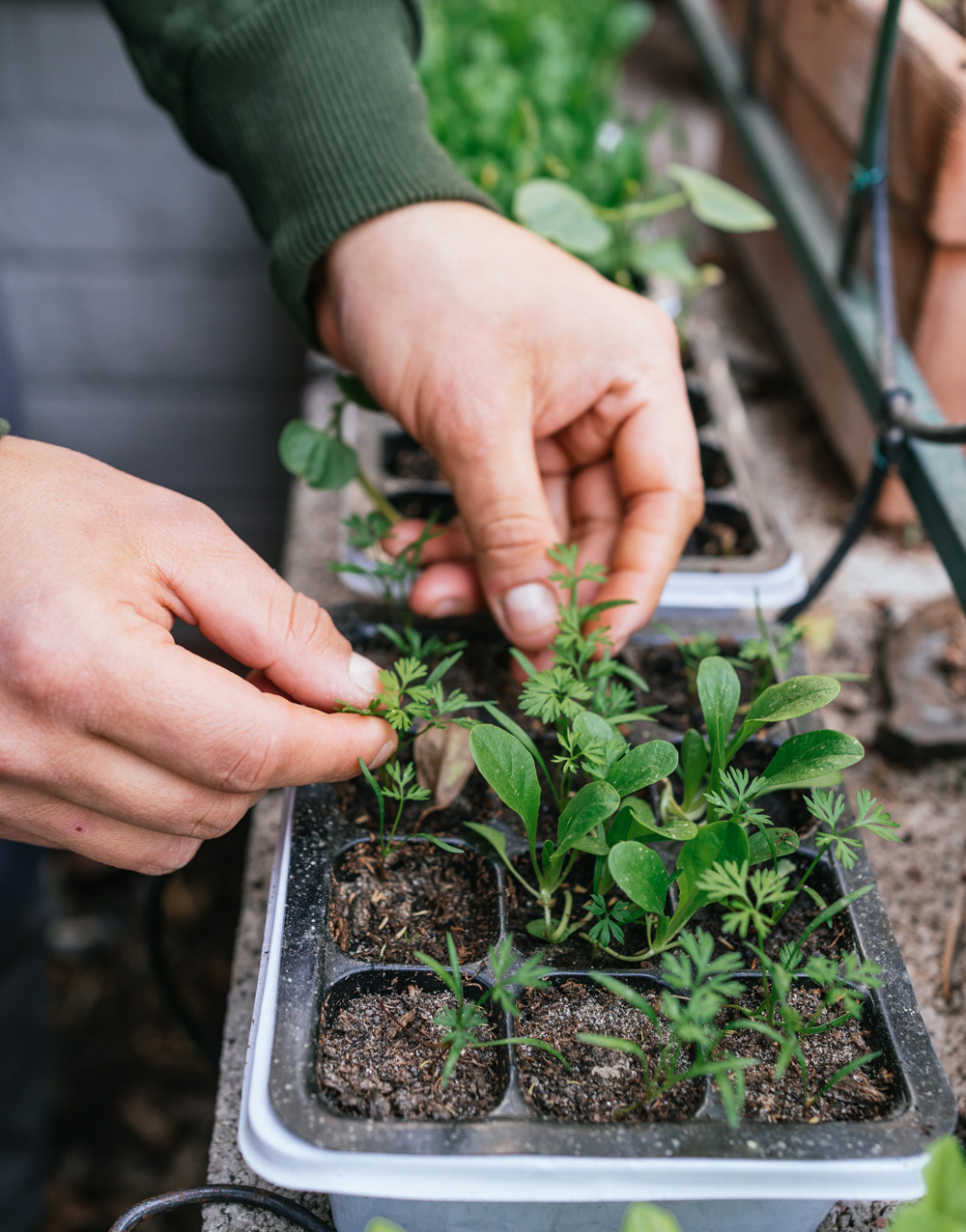
Many companion plants used in organic gardens are considered relatively low risk. Flowers like calendula, marigold, and hollyhock can add biodiversity and are considered pet safe plants. These plants attract pollinators and beneficial insects while helping diversify the garden ecosystem.
Grow Food Crops in Raised Beds
It may be surprising, but the foliage of many of the most common food crops can be toxic to our pets. Incredibly common but toxic plant families include nightshades, alliums, and legumes. These families include San Marzano tomatoes, Jamaican Scotch Bonnet peppers, onions, garlic, beans, and peas. To ensure your animals can’t access your non-pet friendly plants, you can utilize raised beds or even fence off your garden.
Separate High-Risk Plants
If you plan to grow plants such as Aztec nicotiana or ornamental poppies, consider placing them in fenced sections of the garden or areas pets cannot access.

FAQ
What should I do if my pet eats a plant?
If you suspect your pet has eaten a poisonous plant, remove access immediately and contact a veterinarian. Symptoms like vomiting, tremors, drooling, or unusual lethargy can indicate plant poisoning. Bringing a photo or sample of the plant can help veterinarians identify the toxin more quickly.
How can I tell if a plant is poisonous?
The safest approach is to check veterinary plant databases before introducing new plants to your home or garden. Many resources categorize plants as toxic to cats and to dogs, so gardeners can make informed decisions.
Are dried plants less toxic than fresh ones?
Not always. Some plant toxins degrade when dried, but many remain active in stems, seeds, or leaves long after the plant has been harvested. When seeking cat friendly plants, remember that dried plants can still pose a threat.
Are seeds more dangerous than mature plants?
In some species, seeds contain the highest concentration of toxins. This is especially true in plants that evolved chemical defenses to prevent animals from eating their reproductive structures. When looking for dog friendly plants, be sure to research seeds, flowers, and leaves.
What about cannabis?
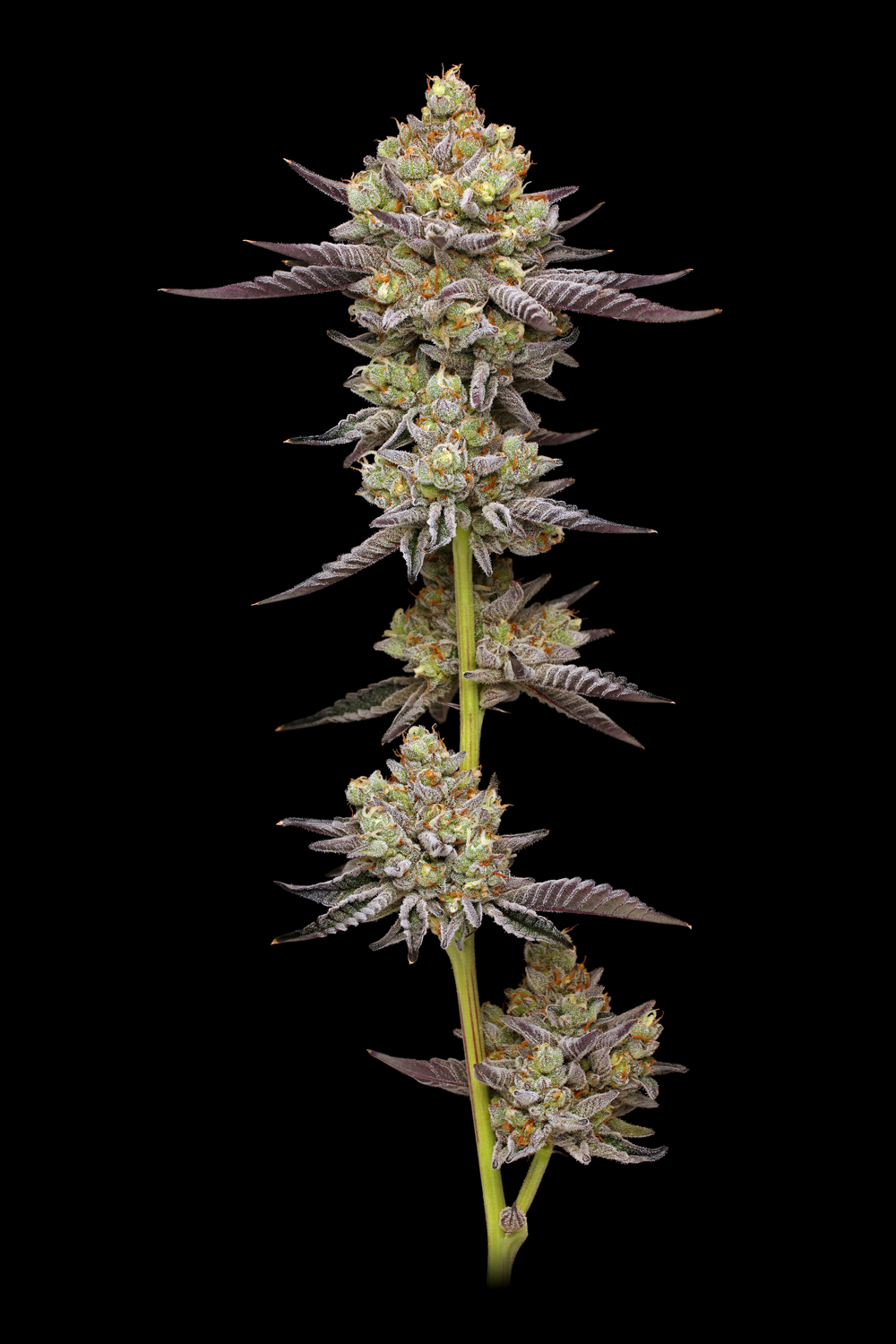
Cannabis plants contain cannabinoids that affect the nervous system of animals. Pets that ingest cannabis may experience disorientation, lethargy, and loss of coordination. Edibles and concentrates are far more potent than raw plant material, but cannabis still appears on many lists of plants toxic to cats and dogs.
Get the Best Tips & Tricks


About the Author: Alexandria Irons