

How to Breed Your Own Strains
Creating your own cannabis strains at home is simpler than you might imagine. As the saying goes, practice makes perfect, and with a bit of guidance from the experts at Humboldt Seed Company, you’ll be on your way to creating your own hybrids. We’re here to guide you every step of the way with an easy-to-follow step-by-step guide. So, get ready to embark on an exciting breeding journey and turn your passion into a rewarding learning experience.
Male and Female Plants
Characterized by distinctive visual features, male plants represent one of the two primary sexes in cannabis cultivation. These plants typically have long, slender stalks and fewer leaves than female plants. They produce small, round pollen sacs instead of buds, often clustering at the nodes and resembling grapes or balls. Male plants are highly valuable for pollination purposes, enabling the cultivation of new strains through selective breeding.

Male cannabis plant
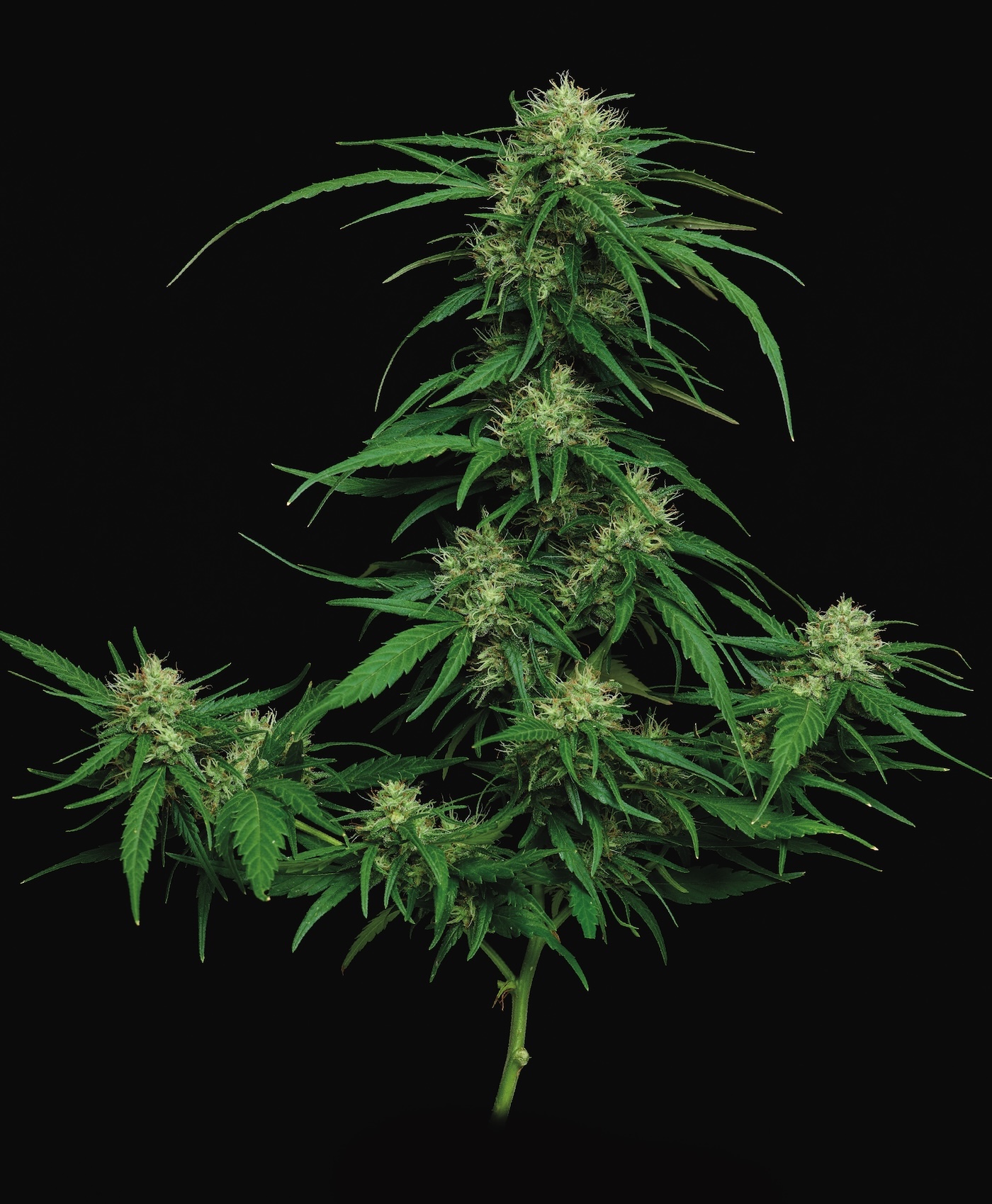
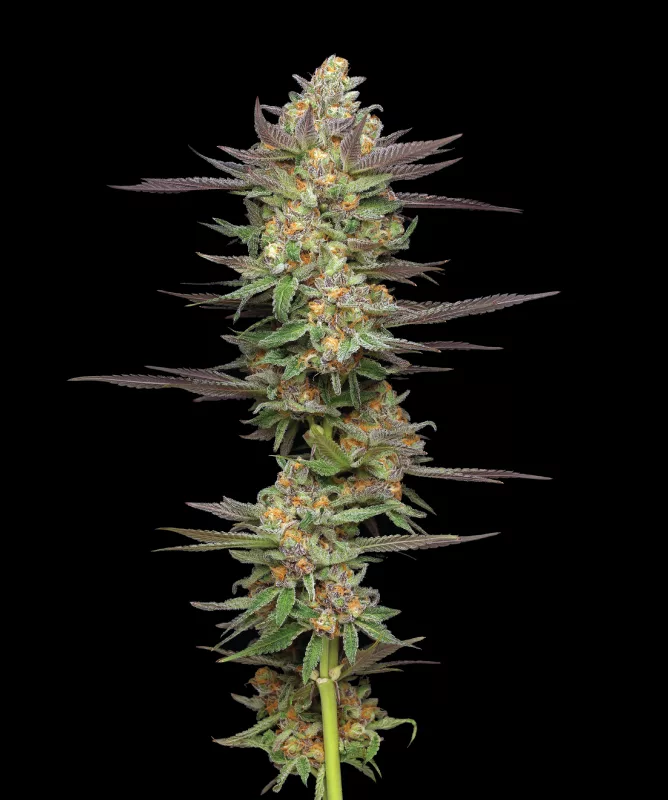
In comparison, a female plant produces the cannabinoid-rich buds prized by consumers. They develop noticeable white hairs, called pistils, that emerge from calyxes at the nodes. As the plant matures, clusters of resinous buds form, typically dense and frosty due to increased trichome production. It may begin to produce seeds to reproduce if it has been pollinated.
Dominant and Recessive Traits
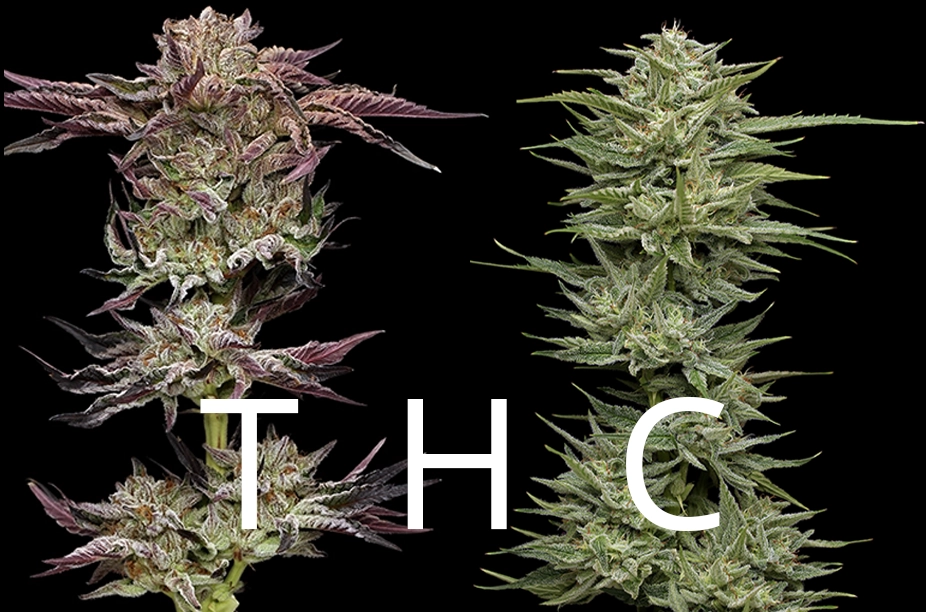
Mendelian inheritance in cannabis pertains to the transmission of specific traits, such as color, flavor, potency, and growth characteristics, from parent plants to their offspring. Cannabis plants possess distinct alleles that govern these traits, which may be either dominant or recessive. Breeders apply these principles to develop new hybrids, selecting desirable traits from parent plants to enhance qualities such as THC or CBD content.
Dominant traits are characteristics controlled by alleles that are expressed whenever present, masking any recessive alleles paired with them. Recessive traits, by contrast, only appear when a plant inherits two copies of the recessive allele, one from each parent. For instance, a cannabis plant may carry one allele for green coloration and one for purple, yet display entirely green buds because green is dominant. Purple coloration only becomes visible when the plant inherits the recessive purple allele from both parents.

To reliably produce purple buds, two plants with this trait must be crossed, ensuring their seeds carry two copies of the recessive gene so that the purple characteristic can be expressed in all offspring.
Understanding dominant and recessive traits is highly recommended before breeding your own cannabis varieties. Every weed plant inherits two versions of each gene, one from each parent, which together influence its traits. Dominant genes are always expressed if present, while recessive genes only appear if two copies are inherited. Grasping these concepts enhances your ability to predict plant characteristics and improve your breeding outcomes.
The Selection Process
When selecting breeding parents, it is advisable to examine a broad range of plants to choose the best phenotype. This process involves closely examining characteristics such as vigor, resilience, and plant morphology.

Pheno-hunting at Full Moon Farms. Photo by Erik Christiansen.
Conducting an extensive assessment of these attributes allows breeders to identify superior parent plants with optimal genetic qualities. Such a thorough evaluation not only increases the likelihood of producing robust, high-quality progeny but also enables targeted breeding strategies to improve specific traits. Ultimately, this selection process contributes significantly to the development of a variety of new cannabis hybrids with consistent, desirable traits.
How to Collect Pollen
After selecting the appropriate male and female plants for pollination. Pollen should be harvested from the male plant during its peak shedding period (2-3 days after the first pollen sacs begin to open). The female plant should be in the early flowering stage, characterized by the emergence of small white pistils. These receptive pistils are optimal for pollen adherence and fertilization.
To streamline pollen collection, only harvest from fully mature pollen sacs to prevent any undesirable traits associated with immature sacs. The simplest method involves wrapping a piece of aluminum foil or a ziplock bag around the male plant’s pollen sac, then gently shaking it to collect the pollen. The yellow pollen grains will settle into the container beneath. Excess pollen can be stored in a freezer for future pollination purposes, ensuring its viability.
Pollinating Your Plants
To effectively pollinate the selected female plant, first isolate it from other plants to prevent unintended pollination. Next, use a fine, clean paint brush to carefully collect pollen from the male pollen source. Gently dab or brush the collected pollen onto the specific bud sites of the female plant that you wish to pollinate, ensuring thorough coverage for successful fertilization. After pollination is complete, securely isolate the female plant in a separate area.
It’s recommended to label each cross to ensure precise identification of the plants and list the female plant’s name first. Thorough documentation of each genetic cross not only guarantees accurate lineage tracking but also facilitates future breeding and conservation efforts. This practice helps prevent the loss of unique varieties, reminiscent of the 1980s, when many Dutch weed varieties, often unlabeled, became difficult to identify and maintain.
After pollination, the female plant undergoes a physiological shift, diverting its energy from producing large, resinous buds to seed development. Over several weeks, the fertilized ovules within the dense clusters of buds gradually mature, transforming into seeds. During this maturation period, the plant’s overall density and weight increase noticeably. As the seeds reach full maturity, they gradually dry out and harden, becoming ready for collection.
The First Filial Generation
You have now successfully created your very own F1 hybrid strain in cannabis breeding. The term “F1 hybrid” specifically refers to the first filial generation resulting from a deliberate cross between two genetically distinct parent strains, each with unique traits. This initial hybrid is often prized for exhibiting hybrid vigor, also known as heterosis. As a result, these strains tend to grow more rapidly, produce higher yields, and often exhibit greater potency.

Ben Lind smelling the flowers.
Once you’ve chosen your favorite phenotype, it’s important to understand how each of your new cannabis hybrids performs. Testing your crosses in different environments to see which genetic traits express themselves in the lineage and decide whether to keep developing them. For instance, if your genetics produce unwanted terpenes or effects, you can identify the conditions under which these traits manifest and work to remove them.

Nat Pennington smelling the flowers.
Your new hybrid may also be rather unstable at first, and stabilizing it through breeding techniques, such as back-crossing and selection, delivers the best results. Although this process may take considerable time, with persistence, you can enhance stability and performance, transforming uncertain hybrids into reliable, high-yielding producers. Keep experimenting and refining your methods, and you’ll be rewarded with your own hybrid.
Final Thoughts on Breeding at Home
By maintaining continuous observation, adaptation, and diligent effort, home growers can steadily enhance their horticultural skills. Starting with small breeding projects, keeping detailed records, and carefully managing environmental conditions are key steps toward success. With perseverance, a basic understanding of genetics, and attentive management, enthusiasts can achieve lasting success in developing their own cannabis hybrids today.
Get the Best Tips & Tricks


About the Author: Mark Smith