Cannabis Cultivation Habits That Make Growing Feel Special
Every grower has their own style: those “if you know, you know” habits that make tending a cannabis garden feel less like a task and more like a fruitful, two-way relationship. You can call them rituals, routines, or just the everyday magic of working with living plants. Whatever the name, these small practices add intention, joy, and even better results to your garden
Inspired by conversations with Humboldt Seed Company Chief Science Officer Ben Lind and decades of collective experience in the garden, here are some of the little rituals that turn cannabis cultivation into something special.

The morning crop walk
There’s something sacred about checking on your plants first thing in the morning. The air is quiet, the leaves are still waking up, and you get a clear read on how everything’s doing before the day is in full, chaotic swing.
A morning walk doesn’t have to be long. It’s just a slow pass through the garden, paying attention to a few key details:
- How did the leaves do overnight?
- Did anything stretch?
- Is anyone droopy, thirsty, or throwing signals?
- Any new smells? Any new pistils?
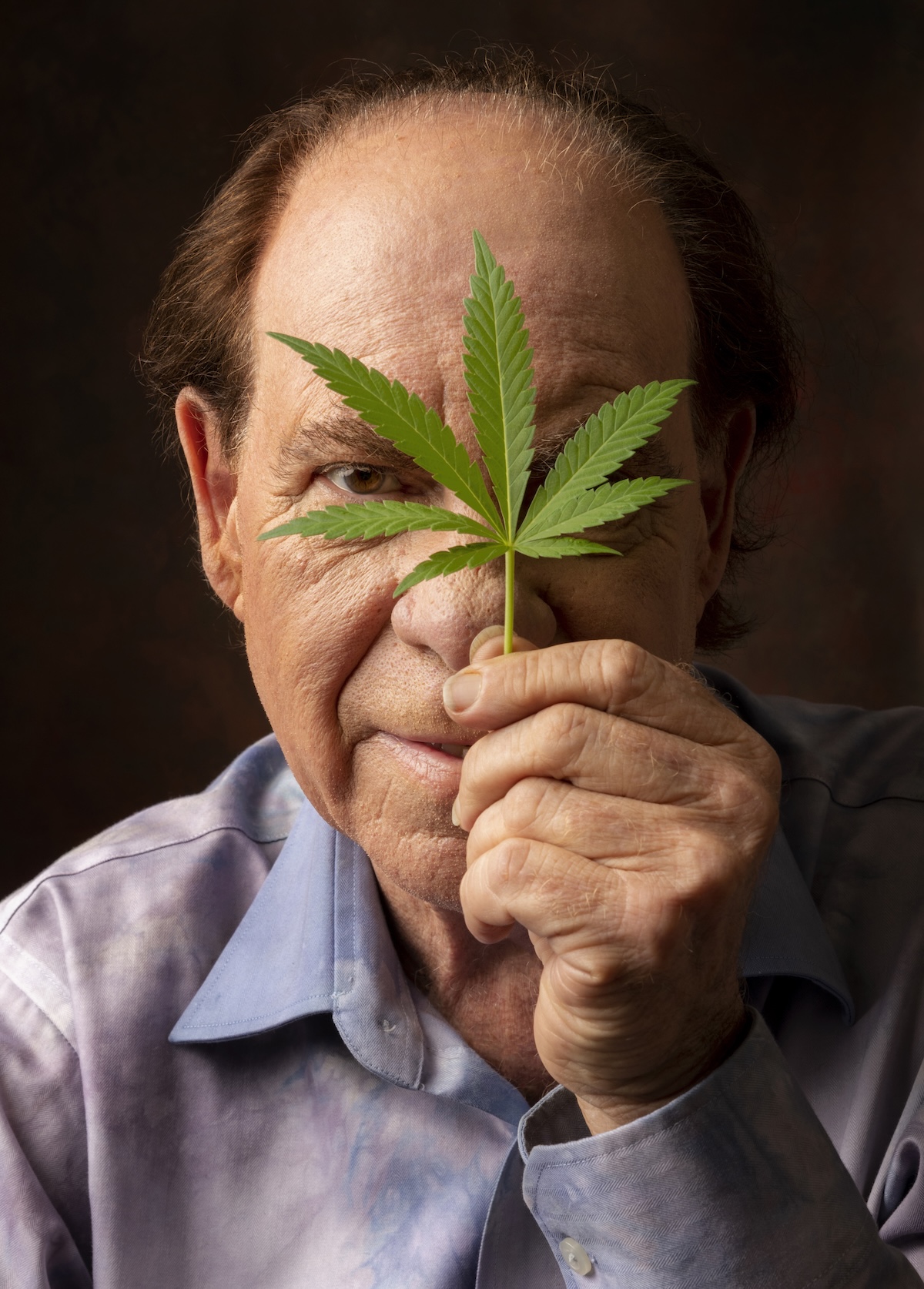
This is one of Lind’s most essential daily rituals.
“It keeps you connected, consistent, and tuned in,” said Lind. “Most issues can also get caught way earlier by growers who simply look at their plants every morning.”
With experience, you can begin to feel when a plant is happy before you can describe why.
Writing it down (a.k.a., turning “doing something” into science)
“Someone once said, ‘The only difference between just doing something and science is writing it down.’ I always keep that in mind when jotting down notes from my observations,” Lind added.

Indeed, a notebook might be the most underrated tool in your grow. Keeping track doesn’t have to be complicated at all. You can easily track a few things each day or two like the following:
- Date planted
- Watering schedule
- Feedings
- Temperatures and relative humidity (RH)
- General observations
- Experiments, even the accidental ones
A journal turns your intuition into data and your garden into a long-term teacher. And the best part is, you start noticing patterns that are only visible when they’re written side-by-side. This is where growers fast-track their wisdom; patterns that once took years to understand start revealing themselves in weeks.
Morning misting
A lot of growers love the morning mist because it mimics what nature does at sunrise. Indoors or outdoors, that gentle spritz (when appropriate for your environment) feels like a reset.
It’s not only about saturating your plants; it’s also about engaging with them and saying “good morning.”
The “hands in the soil” check

Healthy cannabis soil.
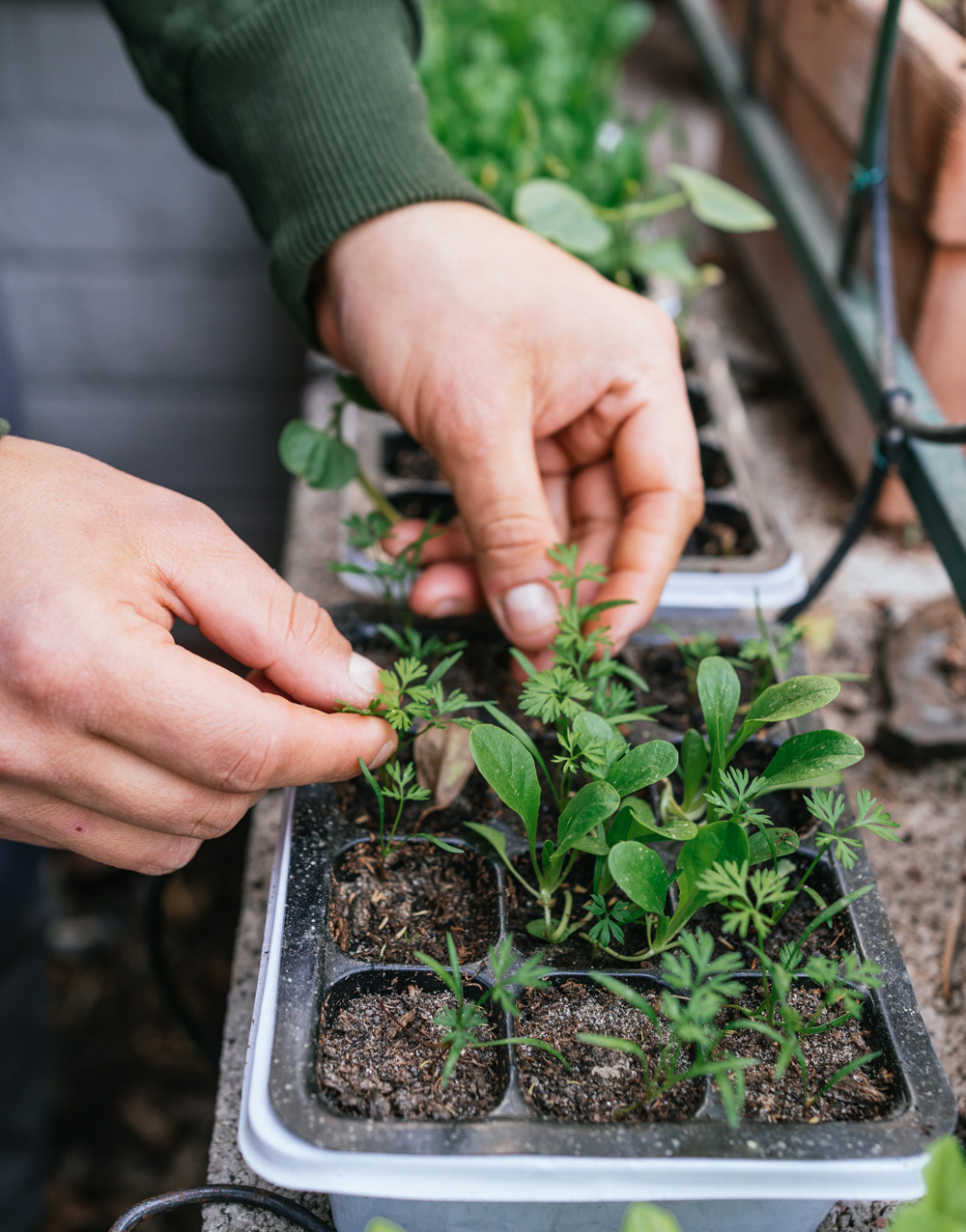
You can use meters, sensors, and readouts, and these are all useful tools, but nothing replaces physically touching your soil. Moisture, compaction, microbial smell, root-zone warmth: your body pulls all of that in at once, which is why some of the best on-the-fly decisions still come from a single handful of soil.
Talking to your plants
You don’t have to admit it out loud, but whether you’re hyping them up, apologizing for a late watering, or catching them up on the latest gossip, talking to your plants is a real, powerful way to enrich their lives.
Setting an intention for each phase
A lot of experienced growers use each stage of the cannabis plant’s life cycle as a natural checkpoint: a moment to mentally reset, refocus, and clarify what the next few weeks should look like. This is what helps you stay organized, intentional, and consistent.
Each stage comes with its own priorities, and naming those priorities helps keep your decisions aligned.
For example:
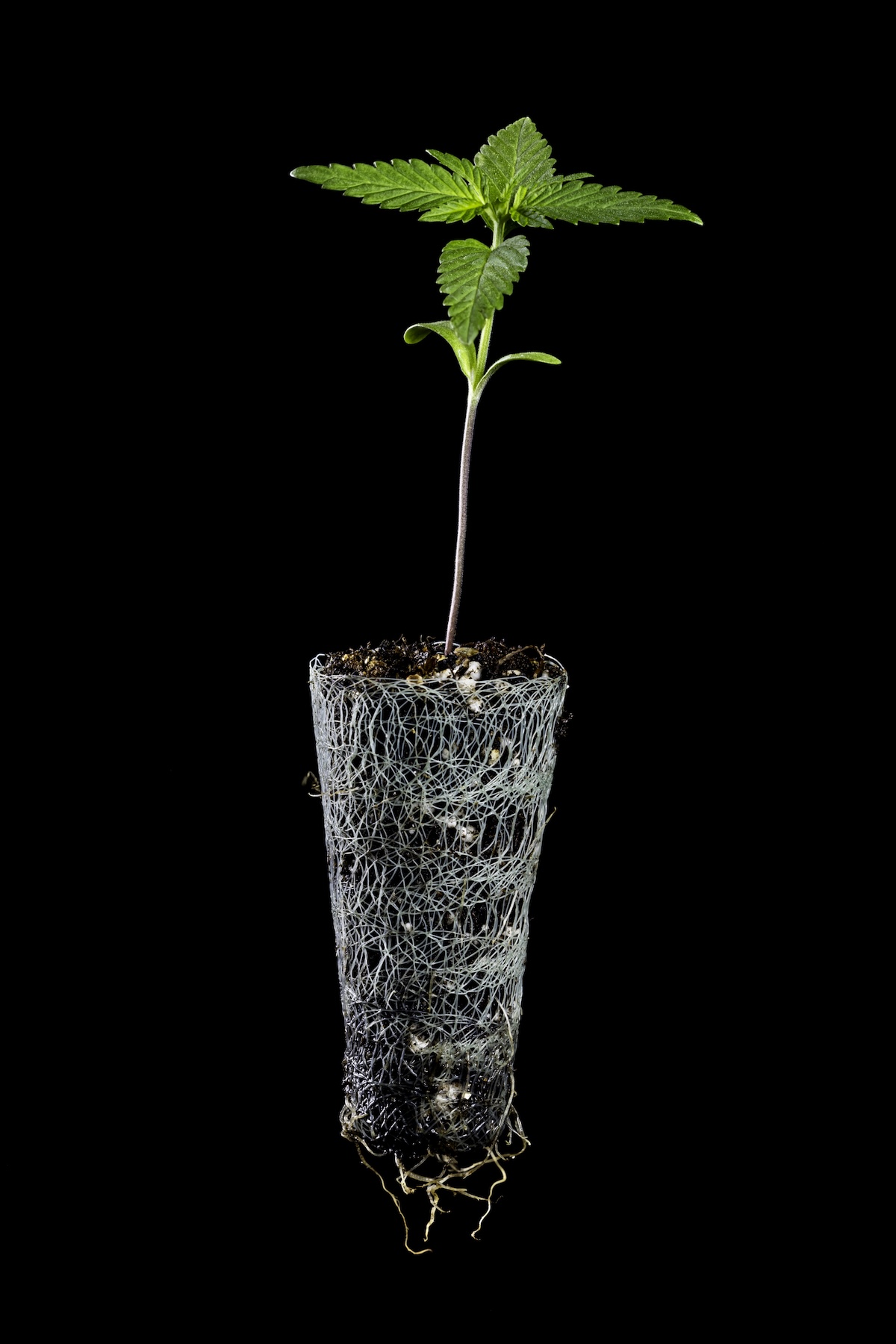
Seedling stage: Patience and stability

Tiny plants don’t need much except consistent moisture, gentle light, and protection. Keeping patience front-of-mind helps prevent overwatering, overfeeding, and over-fussing: the three classic seedling mistakes.
Vegetative stage: Growth and structure

In veg, everything is about building a strong foundation. Thinking in terms of energy or momentum reminds you to focus on root development, training, topping, spacing, and dialing in the environment for steady growth.
Pre-flower/flower stage: Protection and consistency

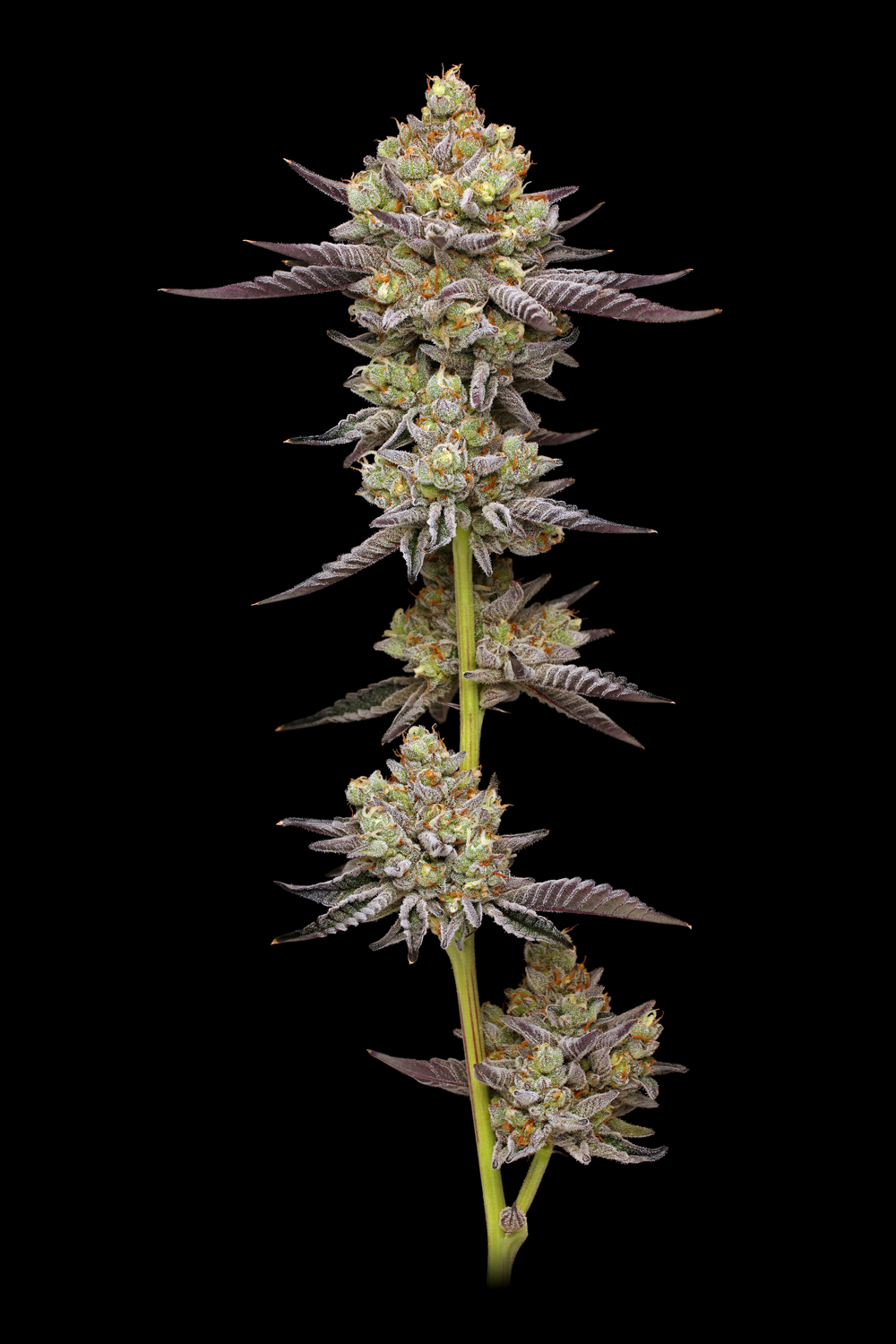
Once flowers start forming, your priorities shift. You lock in on the details: airflow, pest checks, humidity control, and avoiding environmental swings that can stress the plant. This is also the phase where your discipline really pays off.
Harvest stage: Accuracy and gratitude

Harvest is all about timing, observation, and precision. Focusing on accuracy keeps you tuned into trichome color, bud density, and the exact moment your genetics hit peak expression. Also, feeling a little gratitude doesn’t hurt after months of work.
This kind of phase-based mindset keeps growers from rushing, skipping steps, or reacting emotionally when something goes wrong. It’s a simple, structured way to stay aligned with the plant’s needs at each stage of its lifecycle.
Playlist for the plants

Mendo Dope Boys performing at Spannabis 2025.
Music in the grow is a universal experience. Some growers swear by reggae, others by classical or lo-fi beats. It’s less about whether plants “like” your music of choice and more about the energy you bring into the space. Music makes trimming more tolerable, watering more meditative, and harvest days a lot more fun.
Harvest-end review
Harvest is both the finish line and the best moment to evaluate your entire grow while everything is still fresh in your mind. Many growers take a few minutes (or a few pages in their journal) to break down the season as honestly as possible: what to repeat, what to adjust, and what to avoid next time.

A harvest-end review might include things like:
- Genetics that stood out. Which cultivars thrived in your environment? Which ones underperformed, and why?
- Environmental wins and misses. Did your airflow, temps, or humidity stay consistent? Were there swings you can plan around next year?
- Feeding and watering. What schedule actually worked? Which nutrients seemed to make a difference? Where did you overdo it or undershoot?
- Pests and disease. What popped up this season? Did you catch it early? How can you prevent it in the next round?
- Training techniques. Which methods gave you the structure and yield you wanted?
- Timing. Did you flip too early? Too late? Did the plants finish when expected?
- Equipment. Anything you wished you had? Anything that didn’t earn its keep?
The idea is simple: capture the lessons while they’re still real. By the time you’re trimming, curing, and enjoying your finished flower, the small details fade, but those details are usually where the biggest improvements happen.
A quick harvest-end review becomes a yearly ritual that keeps you leveling up, making smarter decisions, and getting more intentional with every season’s grow.
Get the Best Tips & Tricks


About the Author: Taylor Engle