

Cannabis Pioneer Ed Rosenthal Has A Super High Life
Discover the inspiring journey of Ed Rosenthal, a true pioneer, passionate advocate, and dedicated author within the cannabis industry. Learn about his influential partnership with Humboldt Seed Company and his relentless drive to expand the boundaries of cannabis cultivation. Join us as we explore his vision for a future in which responsible growth, innovation, and widespread acceptance of this plant transform the industry and society.
The Ganja Guru
Born in 1944, Ed Rosenthal is widely respected in the cannabis community. His pioneering work has not only educated countless growers but also significantly shaped the modern industry. Now in his eighties, he exudes a calm, thoughtful demeanor that reflects years of experience and dedication. I spoke with Ed while he was gardening at his home in the Bay Area.

The Guru of Ganja, Ed Rosenthal
When asked about the legality of cultivating cannabis during prohibition, Ed boldly admitted he didn’t respect the law and wouldn’t follow it. He believed that as long as he wasn’t caught growing, the legal restrictions had little effect on his well-being. Viewing it as a personal choice, he saw little danger for home growers like himself. This rebellious stance fuelled his avidity for growing cannabis, showcasing his spirit of defiance and unwavering dedication.
Ironically, Ed admits he didn’t put much effort into attending writing classes, but has always known he wanted to be a writer. Since childhood, he says, he has been more interested in plants than sports. He became aware of cannabis long before then, and he had an indoor garden where he grew African violets under fluorescent lights. While others focused on sports, he tended his indoor garden, which sparked his lifelong passion for horticulture.
Writing the Roots of Cannabis Culture
As a passionate advocate of legalization and sustainable cultivation practices, Ed has played a significant role in changing public perceptions about growing your own cannabis. He has written numerous books, including the best-selling grow guide The Cannabis Grower’s Handbook, a detailed resource for novice and experienced growers alike. His dedication extends beyond cultivation and aims to strengthen the cannabis community.

Ed Rosenthal’s Cannabis Grower’s Handbook
During his 1981 journey across India, Ed was captivated by the fields of cannabis he observed from a train window, prompting a visit to the Department of Agriculture. His reports and observations inspired him to create Ganja in India, a photo-based book that vividly captures India’s cannabis culture. Less than five years later, India declared cannabis farming illegal, but Ed remains hopeful that his book will contribute to efforts to re-legalize it.
Ed believes the internet has revolutionized access to cultivation information, with a decline in print books and a rise in online educational content, making it easier and faster to find what they need. However, concerned that not all online claims are reliable, he notes that some, such as reports of miraculous cures, can be deceptive. While digital resources offer convenience, users should remain cautious of the information they encounter online.
Hybridization in the Marketplace
As our approach to reading and understanding cannabis literature continues to evolve, the field itself has seen numerous other transformative changes. When discussing crop diversity and the conservation of traditional varieties, Ed highlighted the formidable challenges landrace strains face in today’s modern markets, shedding light on the intricate complexities and persistent struggles that threaten these invaluable indigenous genetic resources.

Ed near Bandipur, a rural municipality in Tanahun District, Gandaki province of Nepal.
Ed expressed concern that commercial growers are less likely to reproduce them, noting that unless a particular strain gains popularity, large-scale commercial growers have little motivation to cultivate it, since profitability often outweighs the preservation of traditional varieties. This situation highlights a challenge in preserving biodiversity and cultural heritage in agriculture, as landraces struggle to survive amid increasing industrial pressures.
Moroccan heirloom varieties have changed significantly over time, Ed mentioned. Initially, pure cannabis landraces thrived, but ongoing imports from Europe led to hybridization, altering their genetic composition. He explained that he had photos from thirty years ago that showed how different they looked. Currently, the agricultural landscape is suffering, with many varieties lost or hybridized, impacting biodiversity and cultural heritage.
In partnership with the University of Himachal Pradesh, Ed spearheaded efforts to preserve irreplaceable landrace genetics, which are vital for maintaining biodiversity and agricultural resilience. In November 2025, Ed boldly joined an expedition team to the remote villages of the Parvati Valley, conducting field research, documenting the diversity of local landrace varieties, and connecting with local farmers to learn about traditional cultivation practices.
One of the reasons Ed returned to India was to actively support the launch of a nationwide campaign to relegalize cannabis. He underscored that cannabis has been an essential part of Indian culture for over 7,000 years, and despite its profound historical and cultural significance, cannabis was made illegal 40 years ago, which resulted in a long-standing prohibition, and many are now calling for a re-evaluation of the current regulations.
The Growing Revolution and Super-High Life
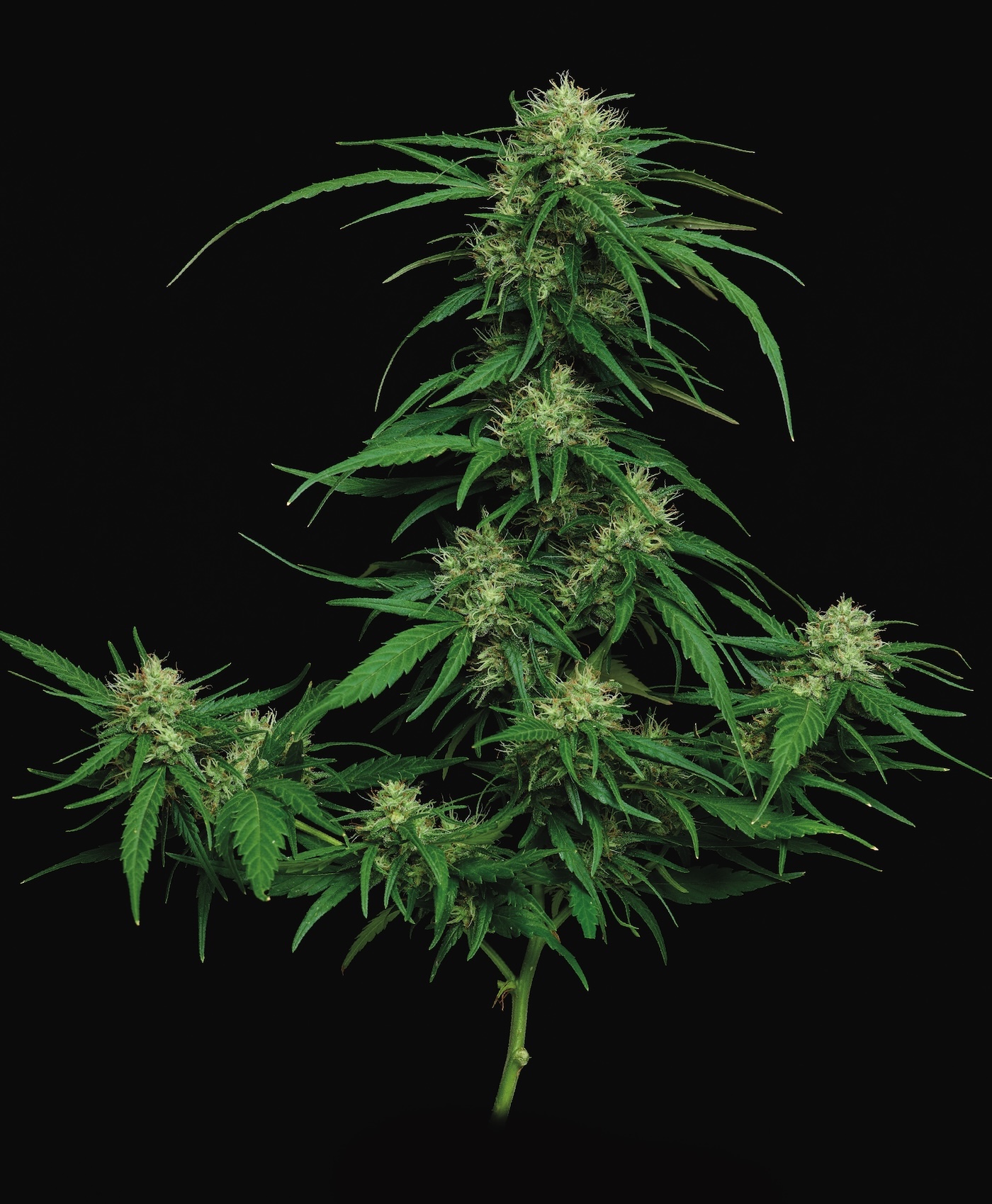
Throughout his ongoing collaboration with Humboldt Seed Company, Ed praises them as a dedicated seed bank that works closely with local growers across Northern California. He values their regionally adapted genetic catalog, their focus on premium quality, their innovative genetics, their commitment to empowering growers to cultivate their own cannabis, and their annual phenohunt, which consistently delivers excellent results.
While developing Super High Life, Ed emphasizes the importance of paying attention to flowering times, enabling growers to plan their cultivation schedule effectively. Accurate knowledge of flowering times helps predict harvest dates, which is especially useful in regions with unpredictable weather. By understanding these timelines, cultivators can adapt their practices to optimize growth and increase the likelihood of a successful harvest.

“Ensuring the grower’s success was my top priority,” says Ed, adding he prefers strains that are adaptable and easy to manage, without requiring complex fertilizer schedules. For Super High Life, Ed sought vigorous, quick-maturing cannabis varieties that responded well to various growing techniques. He also prioritized hybrids that boosted happiness and elevated mood, aiming for buds that inspire positive conversations rather than dampen them.
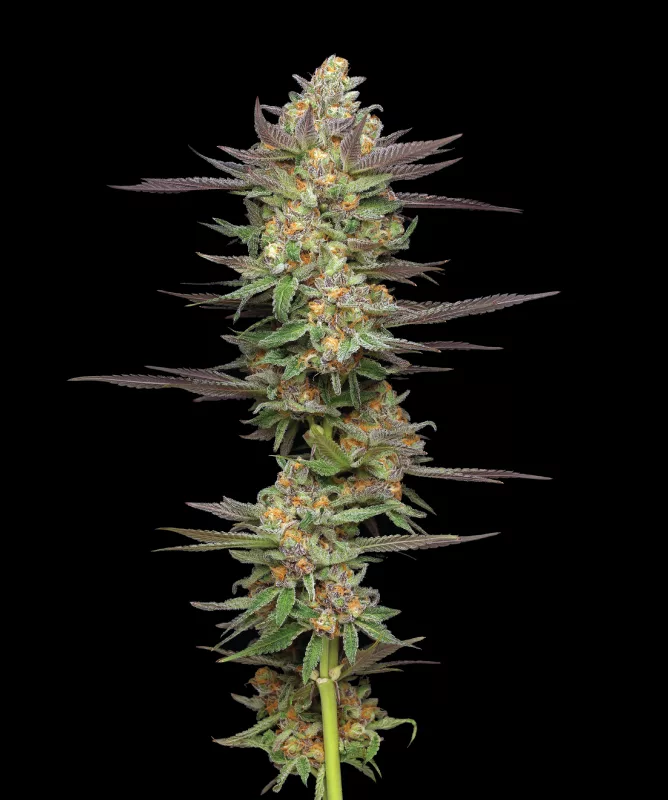
“I wouldn’t say Super High Life is the most potent cannabis strain on the market”, Ed acknowledged, emphasizing that its real standout is the happiness it brings. He dives into the unique qualities of the Super High Life strain and shares insights on its effects.
“I have two critiques,” he admits. “Though the buds should look appealing, that’s not my main focus. What truly matters is how it impacts your mood and enhances your overall experience.”
Triploids and Sinsemilla
Discussing his initial interest in triploid breeding, Ed emphasized the importance of seedless vegetables, including fruits, and mentioned that triploid breeding has been practiced for many decades. He noted that the genetic material in triploids can improve plant robustness and affect flowering time. These benefits make triploids an attractive focus for breeding programs, and triploid breeding remains a valuable area of research in agriculture.
In San Francisco, Ed notes that fall brings high humidity, causing half of the local crops to succumb to mold. To combat this, he prefers harvesting triploids, which is a game-changer, especially for breeders in Europe or regions with short summers and high humidity. This strategy not only enhances harvest quality but also offers hope to farmers facing harsh growing conditions, demonstrating resilience and innovation in the agricultural sector.
For several months, Ed has been cultivating an OG Triploid Autoflower outside in his garden and closely monitoring its growth and development. He planned to harvest it over Labor Day weekend and emphasized that September offers ideal ripening conditions. Currently, the plant benefits from abundant sunlight each day, but in early October, Ed announces that the summer rays will diminish, signaling that harvest time is approaching.

OG Triploid cannabis plant
Reshaping the Cannabis Industry
Looking into the future of breeding, with all the innovative developments, Ed believes the traits next-generation growers might focus on or mirror those in other agricultural markets. For example, looking at tomatoes, numerous varieties exist, but commercial growers often opt for a few popular types, while smaller farmers might experiment with niche varieties. Similarly, in cannabis, the market can be split into consumers and commercial producers.
Commercial producers and consumers aren’t seeking the same things, Ed pronounces, and marketing should be segmented accordingly. More specifically, they should be divided into subcategories within that category based on the distinctive, desirable traits growers seek.
For example, if you’re cultivating cannabis specifically for concentrates, the appearance of the buds becomes less important, he noted.
“My main focus is on maximizing cannabinoid and terpene concentrations, not how the buds look.”

Mason Jar shaking for ice water extraction test.
In such cases, growers prioritize factors such as trichome development and resin production over aesthetic qualities, aiming for the highest potency and terpene profile rather than visual appeal.
What’s Next for Ed?
Looking ahead, Ed’s unwavering passion continues to propel breeding programs worldwide, promising exciting advances in cultivation. His dedication not only boosts genetic diversity but also inspires a community of enthusiasts. With more ground-breaking genetics expected across Europe next year, Ed’s influence is set to grow. As growers, we value his ongoing contributions, which motivate us by his relentless commitment to horticulture and botany.
Thanks, Ed!
Get the Best Tips & Tricks


About the Author: Mark Smith