

The Best Autoflowers to Grow in Your Garden
Get ready to unlock the full potential of six of our favorite autoflowering varieties and enjoy a steady, abundant harvest of high-quality buds year-round. Ideal for beginners and experienced growers alike, these top six autoflowering cannabis seeds offer a reliable way to boost your growing success and enjoy abundant yields in less time.
What are autoflowers?
Autoflower seeds strains offer a unique advantage over traditional photoperiod varieties. Unlike those that depend on changing light cycles to trigger flowering, autoflowers begin blooming based on age, often as early as 55 days after planting. This remarkable trait simplifies cultivation, making autoflowers especially popular among beginner growers worldwide.
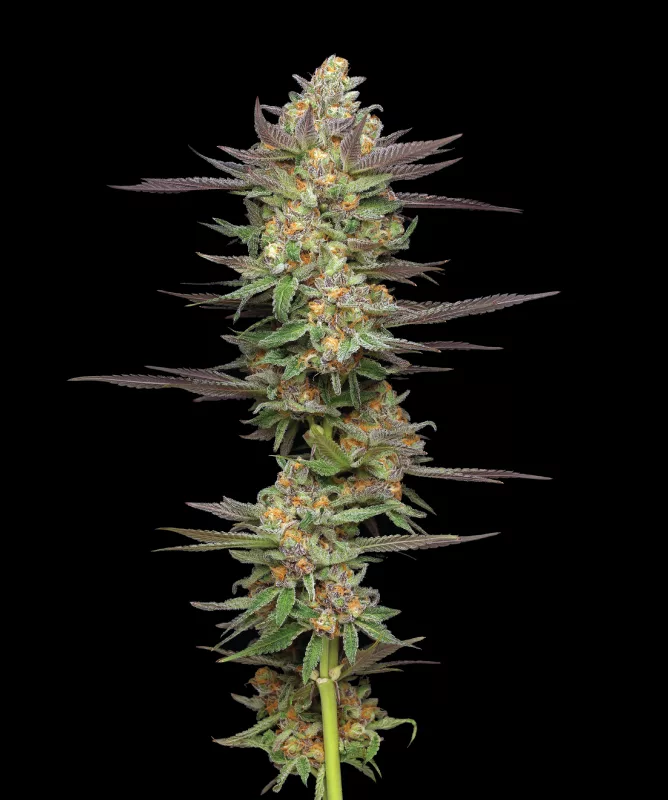
Hella Jelly Auto
Hella Jelly Auto is a highly productive strain known for its impressive yield potential. Its dense, resin-packed flowers contribute significantly to its high yield, as the thick buds maximize surface area for trichome development. The plant’s genetics, a cross between Hella Jelly Photoperiod and Jelly Donutz Auto, promote robust growth and abundant flowering, while its impressively quick finish time of 70 to 80 days from germination allows for multiple harvests within a year.

Hella Jelly Auto
One of the highest-yielding autoflower strains in the Humboldt Seed Company catalog, it’s also among the easiest autoflower strains to grow, making it suitable for both beginners and seasoned cultivators. The strain produces large, resin-rich buds that not only increase yield but also make it an excellent choice for extractions, boosting its commercial appeal. With a washing return rate of up to 3%, it offers a valuable combination of ease, quality, and profitability.
Mint Jelly Auto
Mint Jelly Auto is a highly vigorous, easy-to-grow, high-yielding autoflowering strain known for its exceptional harvest potential, impressive potency, and robust growth characteristics. It requires minimal trellising, making it an excellent choice for both novice and experienced growers alike. Its robust genetic background, combining the autoflowering traits of the Sour Apple Auto and Hella Jelly parent strains, produces plants with dense, kush-like buds.

Mint Jelly Autoflower
The strain boasts a robust, resilient structure that supports vigorous growth throughout the vegetative stage, leading to a plentiful, rewarding harvest. Mint Jelly Auto typically reaches maturity 70 to 80 days after germination, producing dense, resin-covered calyxes. These calyxes are adorned with sparkling trichomes, showcasing their superior genetic lineage and making Mint Jelly Auto a highly sought-after autoflower for growers seeking consistency.
Emerald Fire Auto
Emerald Fire Auto is renowned for its parental lineage, combining Emerald Fire OG, Fire OG, and OG Kush Auto. This indica-dominant hybrid strain produces substantial, dense buds with tightly stacked calyxes. These chunky buds feature fiery orange pistils that not only enhance their aesthetic appeal but also indicate high trichome production and resin development. The strain’s dense structure and vivid coloration make it highly sought after by connoisseurs.

Emerald Fire Auto
This vibrant autoflower, composed of 60% indica and 40% sativa genetics, encourages vigorous vegetative growth and produces dense, resin-rich buds throughout flowering. Celebrated for its exceptional adaptability to various growing environments, Emerald Fire OG thrives particularly well in temperate climates. With THC levels soaring up to 28%, along with its resilience and impressive yield potential, this strain empowers growers to harvest top-quality buds consistently.
California Sour Diesel Auto
California Sour Diesel Auto masterfully combines the pungent, invigorating aroma of Sour Diesel with sharp fuel notes, enhanced by zesty citrus highlights and the powerful strength of OG Kush Auto. This dynamic blend results in vigorous plants that yield large, resin-coated, spear-shaped buds. Its easy-to-grow nature and resilience make it an ideal choice for novice and experienced growers alike, promising abundant harvests even in challenging conditions.

California Sour Auto
Known for its vigorous vegetative growth and larger stature than other autoflowering strains, this variety offers the potential for more bud sites. Its excellent adaptability to various growing conditions ensures the consistent production of dense, resinous buds packed with potent cannabinoids and vibrant terpenes. With its reliability and impressive vigor, California Sour Diesel Auto is an ideal choice for gardeners seeking a hearty, high-quality autoflowering plant.
Strawberry Cheesecake Auto
Strawberry Cheesecake Auto is renowned for its exceptional yield, making it a top choice among cultivators aiming for high production. Its autoflowering genetics come from a sophisticated cross of P.P.D., Girl Scout Cookies, and Vanilla Latte Auto, each contributing unique traits that boost productivity. The strain consistently produces dense, tightly packed buds that are generously coated with sticky resin, ensuring potent THC levels that often exceed 30%.

Strawberry Cheesecake flower under magnification
The plant’s resilience and robustness make it well-suited to temperate growing conditions. Its flowering period spans 70 to 90 days from seed to harvest, giving you plenty of time to maximize yields. The plant emits a captivating aroma of freshly baked pastry, evoking the warm comfort of a grandma’s kitchen. Strawberry Cheesecake Auto is an excellent, low-maintenance strain, ideal for passionate cannabis enthusiasts seeking quality and reliability.
Haze Dawg
Haze Dawg is a compact and robust sativa-dominant autoflower with a sturdy structure, making it ideal for indoor cultivation, especially in limited spaces. It typically reaches a medium height and stretches minimally during flowering. Its genetics combine 70% sativa and 30% indica, with a flowering time of about 60-70 days. Its resilient growth traits and dense buds make it ideal for growers seeking a manageable plant that delivers abundant indoor yields.

Its terpene profile features a delightful blend of sweet, gassy, and fruity notes, complemented by earthy undertones and a subtle hint of diesel, creating a rich sensory experience. Haze Dawg delivers an uplifting cerebral high that boosts creativity and energy, then gradually transitions into a soothing, relaxing body high. Its cannabinoid profile provides both mental clarity and physical relaxation, making it a versatile choice for a variety of activities throughout the day.
6 Expert Tips to Maximize Autoflower Yield
Growers often encounter challenges with autoflowering cannabis seeds due to their limited growth cycles and limited recovery time, which makes it harder to achieve big yields versus photoperiod strains. Factors such as nutrient management, light intensity, and environmental parameters, including temperature fluctuations and pest infestations, can further hinder growth.
1. Plant Them in the Final Pot
Planting your autoflowering seeds directly into the final growing medium reduces transplant stress, which can stunt growth and lower yield. Autoflowers have a limited life cycle, so avoiding transplant shock helps them fully develop within their short timeframe. Additionally, planting them directly into their final container simplifies the growing process, minimizes handling, and promotes healthier root growth, resulting in a stronger, more vigorous plant.
2. Don’t Use Training Techniques
Unlike photo-dependent plants, autoflowering weed strains have a shorter lifecycle, typically completing their growth cycle in just a few months. However, they need significantly longer recovery times because of their abbreviated growth period. These plants are highly sensitive to environmental stressors like pests, temperature fluctuations, and nutrient deficiencies, which can hinder growth. So, to avoid impacting productivity, avoid aggressive training techniques.
3. Manage nutrients carefully
Nutrient management for autoflowers requires a strategic approach due to their limited lifespan. Start with high-quality, nutrient-rich soil, and use a light feeding regimen to supply macro- and micronutrients by administering half the manufacturer’s recommended dosage throughout the cycle and gradually increasing it. Regularly monitor pH levels to ensure optimal uptake and incorporate organic amendments, such as worm castings or compost, to enhance soil health.
4. Prepare for pests before they arrive
Implementing an Integrated Pest Management (IPM) strategy can significantly enhance yields by effectively controlling diseases and pests that threaten crops. IPM employs the introduction of predatory mites, such as Neoseiulus californicus and Amblyseius swirskii, to feed on and eliminate larvae. This proactive approach minimizes tissue damage, prevents disease, and promotes healthy plant growth, ultimately leading to higher yields and improved bud quality.
5. Be Patient
To maximize your yield, it is fundamental to be patient and avoid disturbing the plants’ natural growth cycle. Intervening too frequently can disrupt plant development, causing unwanted stress and hindering growth. Patience lets plants develop strong stems and robust root systems, which are essential for supporting large buds. By giving your plants room to develop undisturbed, you lay the foundation for a more substantial, higher-quality harvest.
6. Optimize Lighting
When cultivating autoflowering cannabis indoors, managing the light schedule is fundamental for healthy growth and XL yields. The most common light cycle is 18/6, providing 18 hours of light and 6 hours of darkness, balancing efficiency and plant vitality. However, it’s important to allow plants to recover between light changes to minimize stress and promote vigorous development.
Get the Best Tips & Tricks

About the Author: Mark Smith