

Why Is My Cannabis Plant Growing So Slowly? Causes, Diagnosis & Solutions
Gardening is a hobby that requires patience. From the day a cannabis seed germinates until harvest, growers invest months caring for their plants. While patience is essential, cannabis is also known for its vigorous growth. Healthy plants can seem to double in size almost overnight during the vegetative stage. If your plants appear stalled, however, it’s natural to wonder whether something is wrong.
Slow growth is one of the most common issues new growers encounter, but it is almost always a symptom rather than the actual problem. Environmental conditions, watering practices, root health, nutrition, genetics, and even pests can all limit plant growth.
In this guide, we’ll cover the most common causes of slow-growing cannabis plants, how to identify the underlying issue, and practical solutions to restore healthy, vigorous growth.
Is Your Cannabis Plant Actually Growing Too Slowly?
Before trying to fix the problem, it’s important to determine whether your plant is actually growing slower than expected.
Cannabis plants naturally vary in growth rate depending on genetics. Some cultivars remain compact with short internodes, while others stretch rapidly toward the sky. Autoflowering varieties also have a much shorter vegetative period than photoperiod cultivars, making them appear smaller throughout their life cycle.
Under ideal conditions, healthy cannabis plants generally follow this pattern:
- Seedling stage: Develops several sets of true leaves within the first two to three weeks.
- Vegetative stage: Rapid vertical and lateral growth with new leaves appearing every few days.
- Flowering stage: Significant stretch during the first two to three weeks before shifting energy into bud production.
If your plant has stopped producing new leaves, remains unusually small for its age, or hasn’t shown noticeable growth for several days, it’s time to investigate the cause.
Learn more about cannabis develops from a seed in our complete to the seven cannabis growth stages.
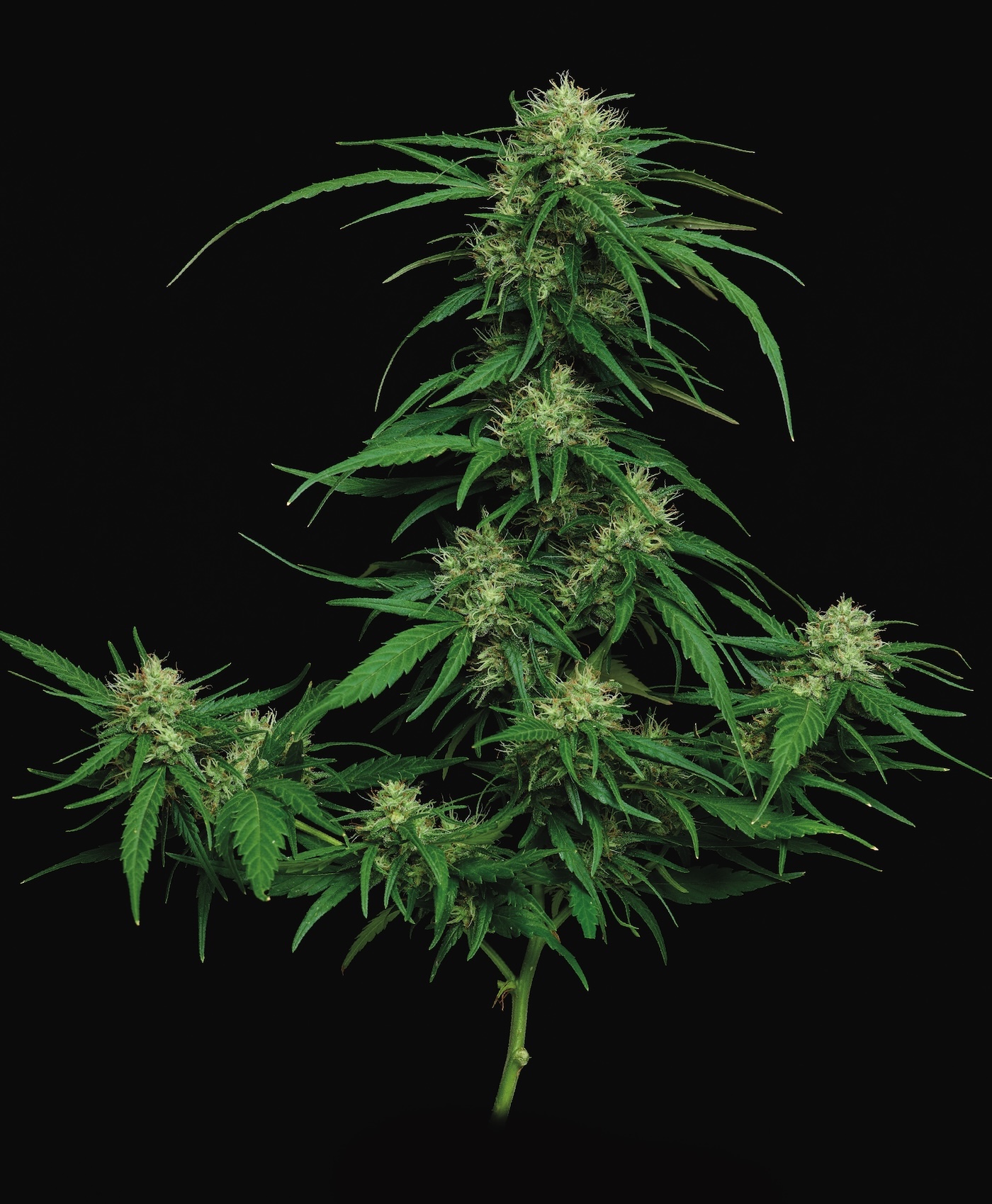
Towering cannabis plants reaching as high as 14 feet in Northern California.
Common Causes of Slow Cannabis Growth
Cannabis plants require the right balance of light, water, nutrients, temperature, and healthy root zone biology to reach their full potential. When one or more of these factors is out of balance, growth slows as the plant redirects energy toward survival instead of producing new leaves, stems, and roots. The following are the most common causes of slow cannabis growth, along with the symptoms to look for and practical solutions to get your plants growing vigorously again.
1. Improper Watering (The Most Common Cause)

Feeding cannabis plants.
Improper watering is responsible for more slow-growth problems than almost anything else. Surprisingly, overwatering is far more common than underwatering.
Overwatering Symptoms
- Drooping leaves
- Slow development
- Heavy containers that stay wet for days
- Pale foliage
- Poor root growth
Contrary to popular belief, overwatering isn’t about giving too much water at one time, it’s watering too frequently. Constantly saturated soil pushes oxygen out of the root zone, limiting root respiration and reducing nutrient uptake.
Underwatering Symptoms
- Wilting leaves
- Dry, lightweight containers
- Curling leaf edges
- Slowed metabolism
- Small new growth
Repeated drought stress causes the plant to conserve energy rather than produce vigorous new growth.
Solution
Allow the growing medium to partially dry between waterings. Lift your pots to judge moisture by weight, water thoroughly until runoff, then wait until the container becomes noticeably lighter before watering again.
2. Insufficient Light

Cannabis clone comparison under far red light.
Light provides the energy that fuels photosynthesis. Without enough light, plants simply cannot produce enough carbohydrates to support rapid growth.
Symptoms
- Thin stems
- Long internodes
- Small leaves
- Leaning toward the light
- Slow overall development
Common Causes
- Weak grow lights
- Fixtures positioned too far away
- Outdoor shade from trees or structures
- Short daily light exposure
Solution
Increase light intensity while avoiding light burn. Indoors, adjust fixture height according to manufacturer recommendations. Outdoors, choose locations with full sun for most of the day.
3. Nutrient Deficiencies and Nutrient Lockout

Autoflower nutrient feeding schedule.
Slow growth often points to a nutritional problem, but the solution isn’t always adding more fertilizer.
Nitrogen, phosphorus, potassium, calcium, magnesium, sulfur, and trace minerals all contribute to healthy plant development. However, deficiencies frequently occur because roots cannot access nutrients that are already present in the growing medium.
Symptoms
- Slow or stunted growth
- Pale green or yellowing leaves
- Small or undersized new growth
- Purpling of stems or leaf petioles (depending on genetics and environmental conditions)
- Interveinal chlorosis (yellowing between leaf veins)
- Leaf tip burn or marginal necrosis
- Overall lack of vigor despite regular fertilization
Plants experiencing nutrient lockout often display deficiency symptoms even when adequate fertilizer has been applied.
Common Causes
Nutrient deficiencies can occur when the growing medium simply lacks essential nutrients. However, nutrient lockout is often the culprit and occurs when nutrients are present but unavailable to the plant.
Common causes of nutrient lockout include:
- Incorrect soil pH
- Salt buildup from synthetic fertilizers
- Damaged or unhealthy roots
- Poor microbial activity
- Waterlogged soils with low oxygen
In living soils, beneficial microorganisms convert organic matter into plant-available nutrients through nutrient cycling. When soil biology is compromised, this process slows dramatically, reducing nutrient availability even when plenty of nutrients remain in the soil.
Solution
Before reaching for more fertilizer, determine whether your plant is truly deficient or simply unable to access the nutrients already present. Check soil pH, evaluate watering practices, inspect root health, and consider the overall biological activity of the growing medium. Correcting the underlying cause of nutrient lockout often restores vigorous growth more effectively than increasing fertilizer applications.
4. Cold Temperatures

Some strains of cannabis love the cold when it’s for bubble hash production.
Cannabis is a warm-season crop. Cool temperatures slow nearly every biological process inside the plant and within the soil.
Symptoms
- Slow growth
- Small leaves
- Delayed nutrient uptake
- Occasional purple stems or petioles
- Reduced water use
Cold soils are especially problematic because roots absorb nutrients much more slowly.
Solution
Maintain daytime temperatures between 70-85°F (21-29°C) whenever possible. Outdoors, black pots, mulch, or raised beds can help warm the root zone during cool spring weather.
5. Root Problems

Cannabis plant roots.
Healthy roots produce healthy plants. Whenever above-ground growth slows, inspect the root zone.
Common Causes
Root issues include:
- Root-bound containers
- Soil compaction
- Poor aeration
- Root damage during transplanting
- Root rot
Roots require both moisture and oxygen. Dense, compacted soils restrict oxygen movement and slow growth dramatically.
Solution
Use well-aerated soil mixes containing compost, pumice, rice hulls, or perlite. Transplant before plants become severely root bound and handle roots gently during transplanting.
6. Poor Soil Biology
Natural “living soil” with organic amendments.
Healthy soil is alive. Billions of bacteria, fungi, protozoa, nematodes, and other microorganisms work together in a complex soil food web that cycles nutrients, protects roots, and improves soil structure. Unlike synthetic fertilizers, which provide nutrients in forms that plants can absorb immediately, most organic fertilizers rely on these microorganisms to convert complex organic materials into plant-available nutrients through a process known as nutrient cycling.
Symptoms
- Slow or stalled growth
- Pale foliage despite fertilizing
- Plants that fail to respond after top dressing
- Weak root development
- Reduced vigor
Common Causes
Poor soil biology is often the result of using biologically inactive or sterile growing media while relying on organic fertilizers. Many new organic growers unknowingly apply dry organic amendments to inert media such as sterile peat mixes or coco coir and expect the same rapid response they would see from synthetic fertilizers. However, without an active microbial community, those nutrients cannot be mineralized into forms the plant can absorb.
Timing also plays an important role. Organic amendments are not instant fertilizers. After top dressing, it may take several weeks (and sometimes up to a month depending on temperature, moisture, and microbial activity) for nutrients to become plant-available. Waiting until deficiency symptoms appear before applying organic amendments often means the plant continues to struggle while the soil biology catches up.
Other factors that reduce microbial activity include:
- Extended dry soil conditions
- Waterlogged soils with poor oxygen levels
- Low organic matter
- Excessive synthetic fertilizer use
- Soil sterilization or frequent fungicide applications
Solution
Feed the soil, not just the plant.
Build biologically active living soil by incorporating quality compost, worm castings, mulch, and diverse organic matter. Keep the soil consistently moist (but not saturated), avoid practices that disrupt the soil food web, and inoculate new growing media with beneficial microbes when needed. When growing organically, think ahead, apply dry amendments before deficiencies develop so microorganisms have time to mineralize nutrients. Healthy soil biology creates a self-sustaining system that continually cycles nutrients, supports root health, and drives vigorous cannabis growth.
7. Environmental Stress
Cannabis thrives in stable environmental conditions. Even when light, water, and nutrients are optimized, fluctuations in temperature, humidity, or airflow can place plants under stress. Rather than directing energy toward producing new leaves, stems, and roots, stressed plants prioritize survival, resulting in slower growth and reduced vigor.
Symptoms
- Slow or stalled growth
- Drooping or curling leaves
- Leaf edges curling upward (“tacoing”)
- Wilting during the hottest part of the day
- Burnt or scorched leaf margins
- Smaller leaves and shorter internodes
- Delayed recovery after watering or feeding
Common Causes
Environmental stress can be caused by several factors, including:
- High Vapor Pressure Deficit (VPD)
- Extremely low or high humidity
- Excessive wind
- Heat stress
- Rapid fluctuations in temperature or humidity
- Low carbon dioxide (CO₂) levels in poorly ventilated indoor gardens
High VPD is one of the most common yet overlooked causes of slow growth indoors. When the air is too dry relative to the temperature, plants transpire faster than their roots can replace water. In response, stomata close to conserve moisture, reducing photosynthesis and slowing growth. Outdoors, persistent wind, heat waves, or sudden changes in weather can have similar effects by increasing water loss and placing plants under constant stress.
Solution
Maintain as stable an environment as possible. Indoors, monitor temperature, humidity, and VPD to keep conditions within the ideal range for your plant’s stage of growth. Ensure adequate air circulation without exposing plants to constant, direct airflow from fans. Outdoors, mulch can help regulate soil temperature and moisture, while windbreaks, shade cloth, or temporary coverings can protect plants during periods of extreme heat or high winds. Reducing environmental stress allows cannabis plants to devote more energy to vigorous vegetative growth rather than simply surviving.
8. Containers That Are Too Small
Big plants need plenty of space to grow.
Roots need space to expand.
When roots fill every available inch of soil, water and nutrients are depleted much more quickly, limiting plant growth.
Symptoms
- Frequent watering
- Plants drying out daily
- Circling roots
- Slow vertical growth
Solution
Transplant into a larger container before plants become severely root bound.
9. Pest Damage
Aphid feasting on a cannabis plant’s flower.
Not all pests feed on leaves.
Many insects attack roots or young growing tips, reducing vigor long before obvious feeding damage appears.
Common pests include:
- Fungus gnat larvae
- Root aphids
- Thrips
- Spider mites
- Russet mites
- Cutworms
- Grasshoppers (outdoors)
Solution
Scout plants regularly, inspect the undersides of leaves, and monitor the root zone. Early detection is far easier than controlling a severe infestation. Maintaining a diverse garden ecosystem with a variety of beneficial insects can balance pest problems when growing outdoors. If growing inside and pest issues arise, treat quickly with application of safe and effective pest-control products including predatory insects, beneficial microbial pesticides like PFR-97, or chemical pesticides such as Organishield.
10. Diseases
Several diseases interfere with nutrient transport and root function.
Common causes include:
- Pythium (root rot)
- Fusarium
- Damping off
- Hop Latent Viroid (HLVd)
HLVd is particularly problematic because infected plants often remain small with reduced vigor despite otherwise excellent growing conditions.
Solution
Practice strict sanitation, avoid contaminated tools, and source clean genetics from reputable breeders. Adding beneficial microorganisms such as Trichoderma, an aggressive fungus that can outcompete pathogenic fungus goes a long way. Growing in diverse living soils provides plants with a thriving microbiome and is the first line of defense when it comes to preventing diseases.
11. Genetics
Sometimes slow growth is perfectly normal.
Some cultivars naturally remain compact, while others grow aggressively. Different phenotypes from the same seed pack may also vary in vigor. Indica leaning morphology tends to be shorter and more compact while sativa leaning plants are often taller.
Solution
Compare plants only to others of the same cultivar grown under similar conditions.
12. Stress From Training

High-stress training temporarily redirects energy toward healing.
Growth may slow briefly after:
- Topping
- Super cropping
- Heavy defoliation
- Aggressive pruning
- Multiple transplants
Healthy plants usually recover within several days.
Solution
Avoid stacking multiple stress events together. Allow plants time to recover before additional training.
Get the Best Tips & Tricks


About the Author: Alexandria Irons