

Hunting for Buds in Banana Country
When most people think of cannabis in the Caribbean, Jamaica may be the first country to come to mind. But it turns out there’s another country in the region that’s quickly become a market leader: Saint Vincent and the Grenadines.
Often referred to simply as Saint Vincent or SVG, the island nation has become one of the largest suppliers of cannabis in the Caribbean. After legislators legalized medical marijuana in 2018, the nascent industry quickly became a legitimate source of economic and political prosperity.
Humboldt Seed Company (HSC) has been collaborating closely with Caribbean cannabis farmers and researchers for several years. Discover how HSC genetics are supporting cultivators in Saint Vincent, and how the country became the market leader it is today, in this article.
From bananas to buds
For generations, bananas were the backbone of Saint Vincent’s economy, supporting small farmers throughout the country’s rural areas. But a combination of changing trade policies, mounting competition from large-scale producers in Latin America, crop disease, and devastating storms caused the industry to shrink dramatically, reshaping both the agricultural landscape and the livelihoods that depended on it.
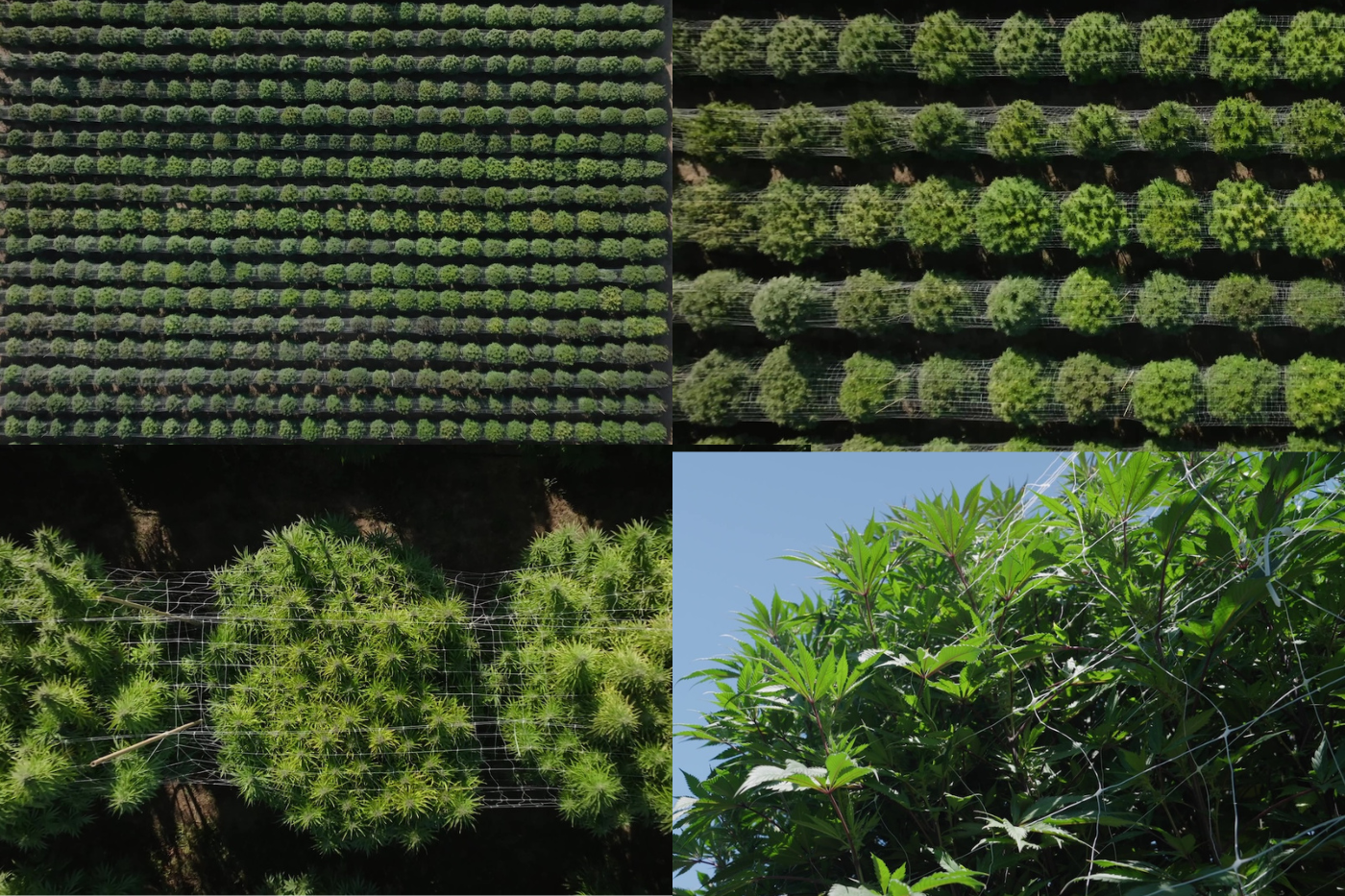
Ganja planted in pure volcanic ash.
Meanwhile, cannabis has been grown commercially in SVG for decades, but landrace varieties have existed for far longer. The northern part of Saint Vincent, on the edge of La Soufrière volcano, is the epicenter of cultivation. The area is known for its incredibly rare soil, called mollic andosols, with a unique porous structure that provides excellent drainage and strong water-holding capacity, creating an ideal balance for robust root development.
It’s the perfect place for cannabis to thrive.
As the banana industry declined through the 1990s into the early 2000s, many farmers in Saint Vincent turned to cannabis as a more viable cash crop, drawn by its higher value, strong regional demand, and suitability for the island’s rugged terrain. What began underground evolved into a significant source of income for many rural communities, helping fill the economic gap left behind by the collapse of the banana trade.
In 2018, the SVG government decriminalized possession of up to two ounces of cannabis. They also passed the Medicinal Cannabis Industry Act, with the intention of positioning the country as a prominent Caribbean cannabis hub.
The Honorable Saboto Ceaser, Minister for Agriculture, said at the time that the industry could bring immense economic opportunity.
“SVG’s growing conditions are suited to producing the highest quality grade medicinal cannabis available on the global market,” he noted.
The government also extended amnesty to legacy farmers who had been involved in the traditional underground market, ensuring they would have a path to licensure.
Local cannabis in Saint Vincent called “Lamb’s Bread” by many older people.
“There is broad recognition and buy-in of the economic benefits this tightly controlled and regulated industry is expected to bring regarding direct employment, the creation of support industries, and foreign investment,” Caesar added.
Cannabis as humanitarian aid
While excitement over the potential of legal cannabis was widespread in SVG, the market was majorly disrupted only two years after reform was passed.
The La Soufrière volcano experienced a prolonged eruption beginning in December 2020, spewing fire and ash into the air for nearly four months. Many people were forced to evacuate, and while the episode caused no loss of life, the cannabis supply chain was decimated. Multiple heirloom landrace genetics were lost, devastating the community.
In 2021, a donation of 10,000 feminized cannabis seeds was made to the SVG government. The gift was spearheaded by Pure Jamaican, a company that helps advance cannabinoid development and exports throughout the region. The genetics were developed in partnership with Humboldt Seed Company, Ed Rosenthal, and Dr. Machel Emanuel, a cannabis researcher from the University of the West Indies in Jamaica.
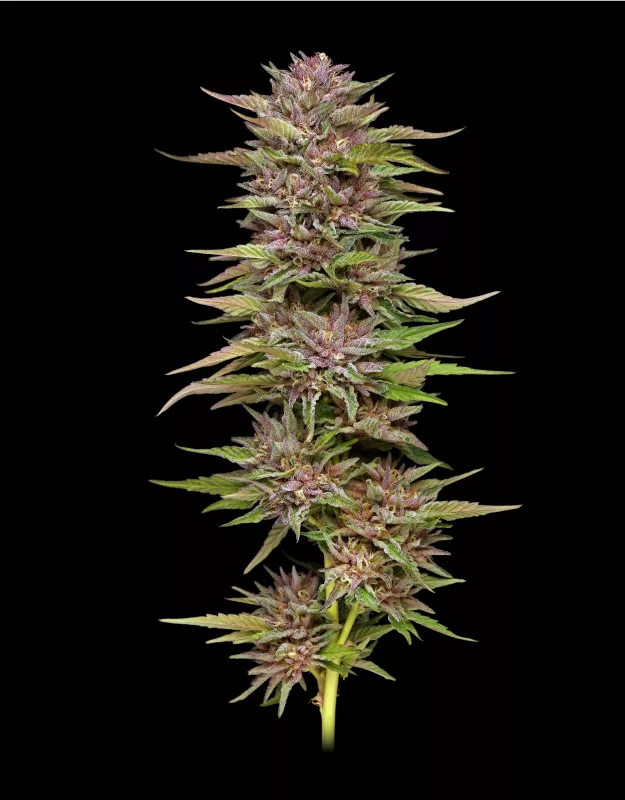
The seeds were predominantly Caribbean Queen, a landrace genetic originally found in Trinidad. It evolved further after the strain was crossed with Stoopid Fruits and Humboldt Dream. Dr. Emanuel completed field trials and production in Jamaica to ensure the seeds would be viable in the tropical environment.

Caribbean Queen in all of her glory.
Dr. Jerrol Thompson, chief executive officer of SVG’s Medical Cannabis Authority, said at the time that the gift could positively impact the market for years to come.
“This donation not only helps to rehabilitate the livelihoods and production capacity of these farmers, it will also improve the quality of the seeds as planting material specially designed for a tropical setting.”
Bringing the Pheno Hunt to SVG
The HSC team has been active in Saint Vincent for several years, but their most recent visit brought the company’s massive global Pheno Hunt to the island in a search for “St. Vincent Gold.”
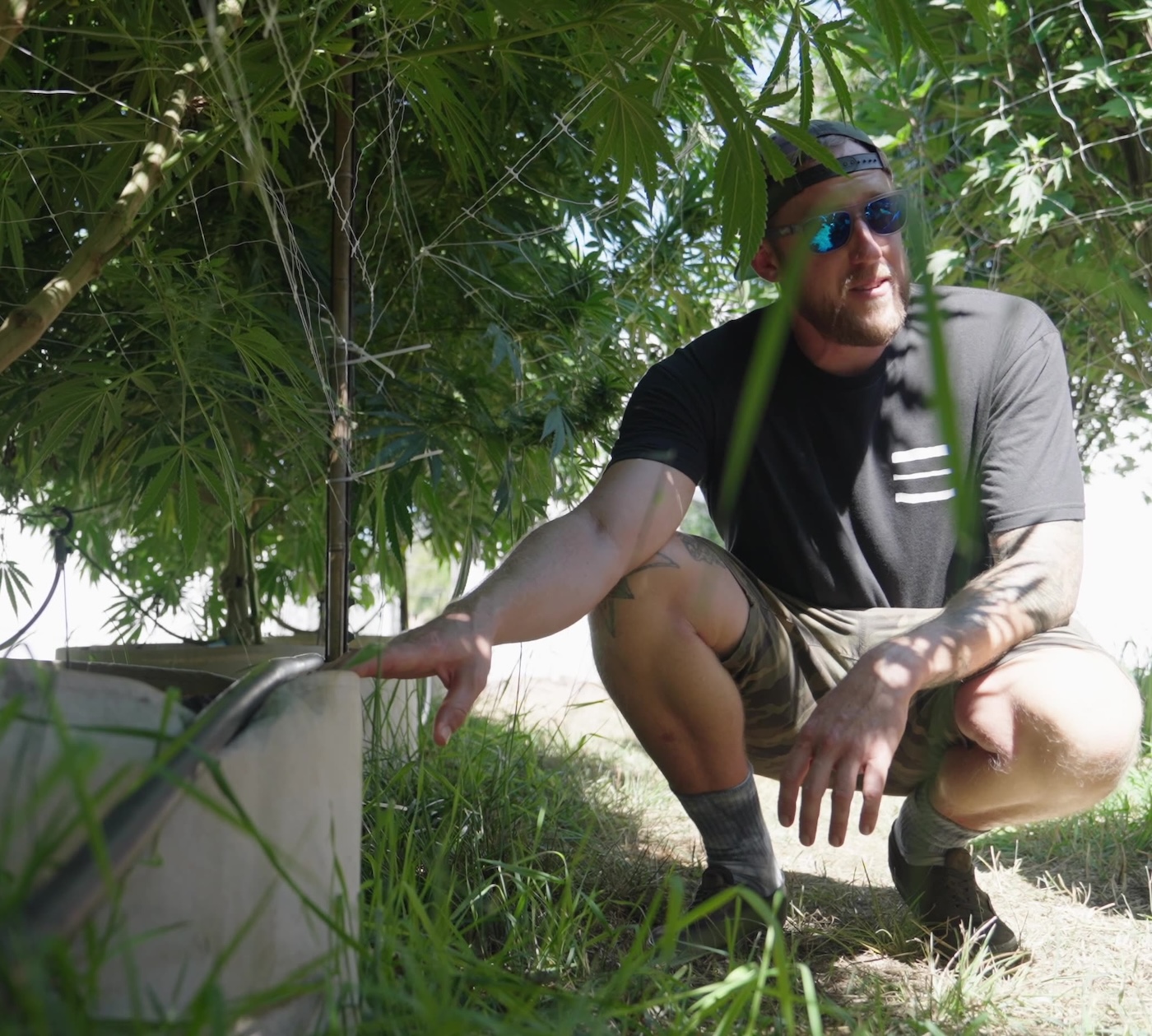
Ben Lind, co-founder and chief science officer of HSC, traversed the island in search of lost landrace varieties. Even though the vast majority had been wiped out by the volcano, some traditional farmers deep in the mountains were believed to still possess these heirloom genetics. The Hunt for a Lost Caribbean Landrace Sativa was released as a two-part documentary, showcasing the SVG cannabis community in a way never before seen.
As the global cannabis market heats up, Saint Vincent is gearing up to be a leader in cultivation, export, and research. And while people may not think of the tiny island as a cannabis powerhouse, its history, genetics, and fertile ground could make it a contender on the world’s stage.
Get the Best Tips & Tricks


About the Author: Rachelle Gordon