Maximizing Terpene Expression Through Environmental Parameters
Terpenes are delicate hydrocarbon compounds found within the cannabis plant. They’re responsible for driving the majority of the plant’s distinct aroma and flavor (as well as effects). Understanding these compounds underscores the importance of optimizing environmental parameters during cultivation to enhance the expression of desired terpenes. By controlling factors such as light, temperature, and humidity, indoor growers can enhance terpene profiles, improving plant quality and maximizing therapeutic benefits.
The importance of terroir in outdoor cultivation cannot be overstated, as the interplay of environmental factors gives rise to distinct and unrepeatable expressions of terpenes and volatile organic sulfur compounds. Much like a vineyard imparts a signature character to its grapes, each cultivation site yields flower that carries the unmistakable imprint of the land.
Fundamentals of Terpene Biosynthesis
Cannabis plants produce terpenes through the mevalonate and methylerythritol phosphate pathways, which generate precursors like isopentenyl pyrophosphate (IPP) and dimethylallyl pyrophosphate (DMAPP). These precursors combine to form geranyl pyrophosphate, which enzymes then convert into monoterpenes such as limonene and myrcene. This biosynthetic process is crucial for the plant’s aromatic profile and interacts with other metabolic pathways.

Cannabis trichomes under magnification.
Genetic factors play a vital role in shaping terpene expression in cannabis plants. These factors include the plant’s genetic lineage, including specific gene alleles that influence enzyme production, and the expression levels of enzymes involved in terpene biosynthesis. Each strain of cannabis possesses a unique genetic profile that significantly impacts its terpene profile, contributing to distinct aroma, flavor, and potential therapeutic properties.
Through selective breeding, cannabis breeders can enhance desirable traits such as vigorous growth, pest resistance, and terpene production. This focused breeding method optimizes growth traits to develop innovative cannabis hybrids with customized terpene profiles tailored to specific uses or preferences. Additionally, such genetic improvements can yield higher-quality products, greater consistency, and more pronounced terpene profiles.
Environmental Parameters Influencing Terpene Profiles
Environmental factors, including light, temperature, humidity, and nutrient levels, significantly influence a cannabis plant’s terpene profile. These factors interact synergistically, affecting plant chemistry more than they do individually. Modulating these variables across the vegetative, flowering, and harvest stages can lead to notable variations in terpene production, underscoring the importance of understanding their effects on terpene analysis.

Cannabis clone comparison under far-red light.
Light
Light, including its intensity and spectrum, can influence terpene synthesis by modulating photosynthetic activity and altering various metabolic pathways involved in secondary metabolite production. Different wavelength like far-red and intensities of light can specifically affect the rate at which these compounds are produced. Optimized light intensity can enhance terpene production, while specific light spectra may promote the formation of certain terpenes.
Temperature
Temperature is critical to the preservation or degradation of terpenes. Maintaining an optimal range of 55-70°F (13-21°C) post-harvest helps protect these aromatic compounds. If temperatures exceed this range, particularly during curing, terpenes tend to volatilize and degrade, resulting in a loss of aroma and flavor. Proper temperature control ensures the quality and potency of the final product, highlighting the importance of careful post-harvest handling.
Conversely, exposure to cold temperatures can slow the degradation process but may also cause secondary issues, such as mold growth, if not properly managed. Temperature stress, caused by fluctuations or extremes, can lead a plant to produce less desirable terpene profiles or degrade existing ones, thereby hindering a full-spectrum profile. However, during the final week of flowering, some growers reduce the temperature to increase anthocyanin content.
Relative Humidity
During the growth cycle, relative humidity significantly impacts plant health and terpene development. Proper humidity levels help prevent botrytis, mildew, and stress, which can hinder your yield. High humidity during the vegetative stage promotes vigorous growth, but excessive levels can noticeably reduce transpiration rates. Conversely, low humidity during the flowering stage enhances terpene preservation by reducing moisture that favors mold proliferation.
Managing humidity throughout the grow cycle involves using humidifiers and dehumidifiers to maintain optimal levels between 40% and 60% to enhance bud development and terpene production. Consistent humidity control ensures healthy plants and preserves a full spectrum of terpenes, ultimately leading to more potent, flavorful buds. Proper humidity management fosters healthier growth, enhances terpene retention, and improves trichome development.
Nutritional Regimes
Nutritional regimes, including macronutrients and micronutrients, impact the development of terpene profiles. Macronutrients, such as nitrogen, phosphorus, and potassium, influence overall plant growth and metabolic activity, which, in turn, affect the synthesis of secondary metabolites, including monoterpenes. In contrast, micronutrients such as magnesium and calcium are vital for enzymatic functions and biosynthesis involved in terpene production. Sulfur also plays an often-overlooked role in the development of terpene compounds that contribute to the characteristic skunk aroma.

Nutritional deficiencies can alter terpene profiles, sometimes reducing desirable aromatic compounds or increasing the formation of unwanted ones. To optimize terpene production during cannabis flowering, growers should shift the NPK ratio from the early flowering stage (1:3:2) to approximately 0:3:3 during the later weeks, significantly reducing nitrogen while increasing phosphorus and potassium, thereby ensuring a rich, well-balanced profile.
Cultivation Strategies: Indoor, Outdoor, or Greenhouse
In cannabis cultivation, terpene biosynthesis shows variability between soil and coco coir substrates, influenced by factors such as nutrient availability, pH, and the root environment.

Coco-coir materials.
Soil typically maintains an intricate microbial ecosystem that can facilitate terpene biosynthesis through symbiotic interactions, whereas substrates like coconut coir requires supplementation throughout the growth cycle to optimize terpene production. Native soil, particularly organic living soil, is considered superior for maximizing terpene production, while coco coir is often preferred for maximizing yield and growth rates.
Techniques to augment terpene levels in coco-coir-grown plants include maintaining optimal nutrient balance, regulating environmental factors, and applying foliar sprays or micronutrient-enriched supplements.
Moreover, stress induction methods, such as regulated light cycles or mild nutrient stress, can stimulate terpene biosynthesis pathways. Nonetheless, certain cannabis specimens grown in coco coir may not exhibit higher terpene concentrations than soil-grown counterparts, owing to differences in microbial activity, nutrient uptake efficiency, and environmental conditions that can constrain terpene biosynthesis regardless of cultivation medium.
To enhance terpene production indoors, provide sufficient light by augmenting lumens to optimize photosynthesis. Elevated light levels stimulate chloroplast activity, accelerating metabolic pathways involved in terpene biosynthesis. Ensure the spectrum is balanced across flowering stages to maximize terpene synthesis while maintaining high PPFD values. This promotes enzymatic activity in terpenoid pathways, boosting terpene accumulation.

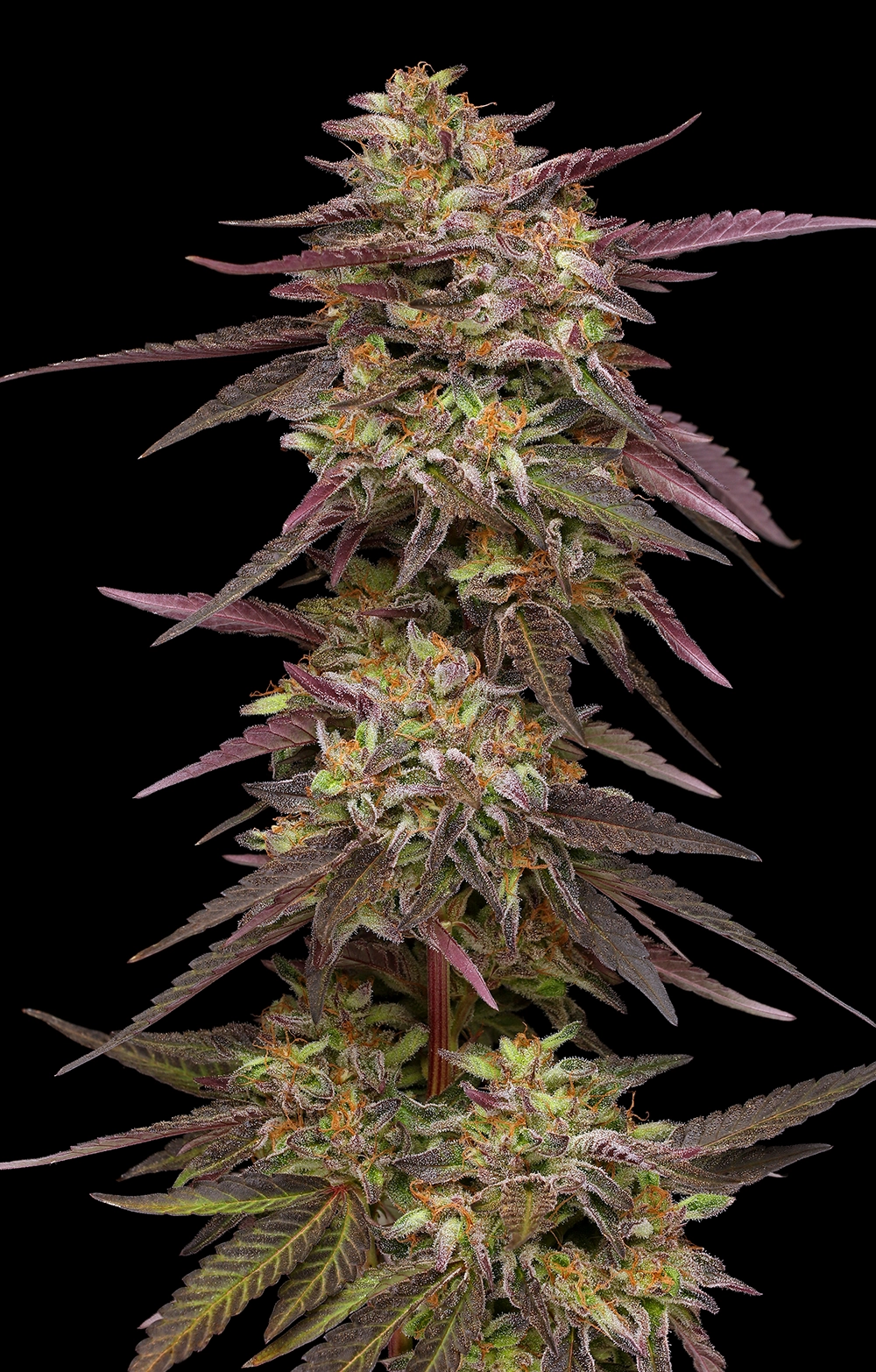
Purpz cannabis flower.
What’s Next for Terpene Expression?
In conclusion, optimizing environmental conditions is highly recommended to maximize terpene expression in cannabis cultivation. By adjusting ecological factors such as light, temperature, and humidity, cultivators can significantly enhance terpene production. This advancement holds great promise for the cannabis industry, and continued research will definitely pave the way for more sustainable, high-yielding terpene biosynthesis.
Continued genetic research, especially looking at triploid cultivars should yield interesting results. Most labs don’t test for more than 20 terpenes, even though cannabis is believed to produce over 200 distinct aromatic compounds. Most of these have not been categorized or even named. It will be fascinating to see what future discoveries reveal.
Get the Best Tips & Tricks


About the Author: Mark Smith